






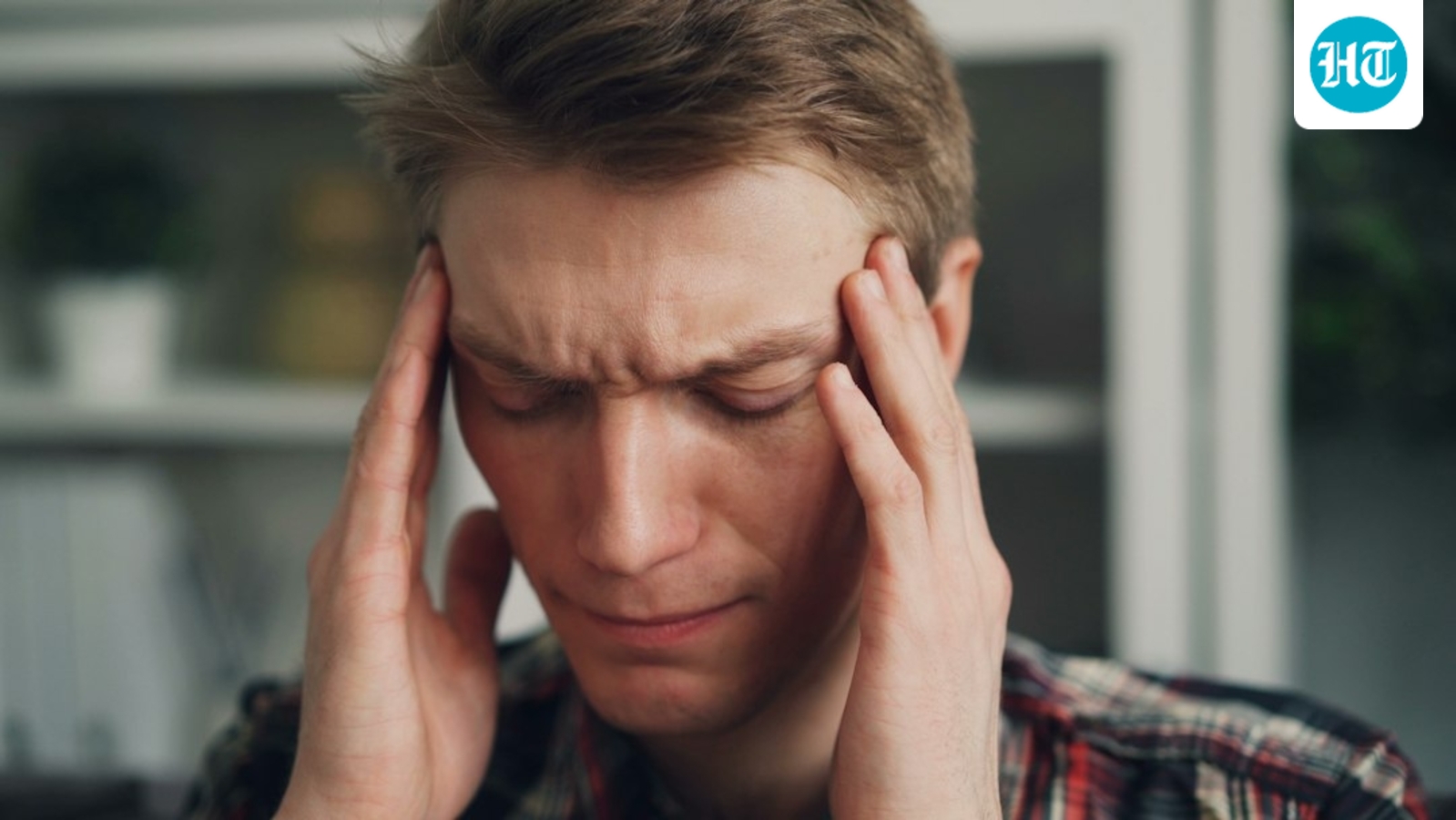
If headaches have become a regular guest rather than an occasional visitor, hormones are often quietly involved, even when nothing else about your routine has changed. In this edition of ‘Your body is trying to tell you,’ HT Lifestyle spoke to Tamanna Singh, certified menopause coach and co- founder of Menoveda, to find out the reasons behind recurring headaches and when to pay attention.
Also read | Getting frequent headaches? Neurologist Dr K K Jindal reveals 5 everyday habits that may trigger them
Estrogen level
According to Tamanna, estrogen has a direct effect on blood vessels in the brain. When estrogen levels drop sharply, which happens often during perimenopause, blood vessels can constrict and then dilate rapidly, triggering headaches or even migraines. This is why some women who never had headaches before suddenly start getting them regularly in their 40s, often catching them completely off guard.
Poor sleep and dehydration
“Poor sleep and dehydration make things considerably worse,” highlighted Tamanna. Both are extremely common during this phase, thanks to night sweats and disrupted rest, and both are well-known headache triggers entirely on their own, independent of hormones.
Blood sugar levels
Tamanna highlighted that blood sugar dips also play a significant role. Skipping meals or going too long without eating can trigger a headache within just a few hours, especially when hormones are already fluctuating, and your body has less reserve to draw on.
Stiff neck
Tension and neck stiffness can compound things further. Many women carry stress physically, in the jaw, neck, and shoulders, and this tension often builds quietly through the day before turning into a full headache by evening. If you’re also dealing with poor posture from long hours at a desk, that combination can make hormonal headaches feel even more frequent than they otherwise would.
What can help?
● Track when headaches happen, before your period, after poor sleep, or when meals are skipped.
● Stay consistently hydrated through the day, not just when you happen to remember
● Eat at regular intervals to avoid the blood sugar crashes that often trigger pain
● Note the pattern and share it with your doctor; it helps distinguish hormonal causes from others
Occasional headaches happen to everyone from time to time. But frequent, patterned headaches, especially new ones appearing for the first time in your late 30s or 40s, deserve real attention rather than just another painkiller reached for out of habit.
Note to readers: This article is for informational purposes only and not a substitute for professional medical advice. Always seek the advice of your doctor with any questions about a medical condition.


