






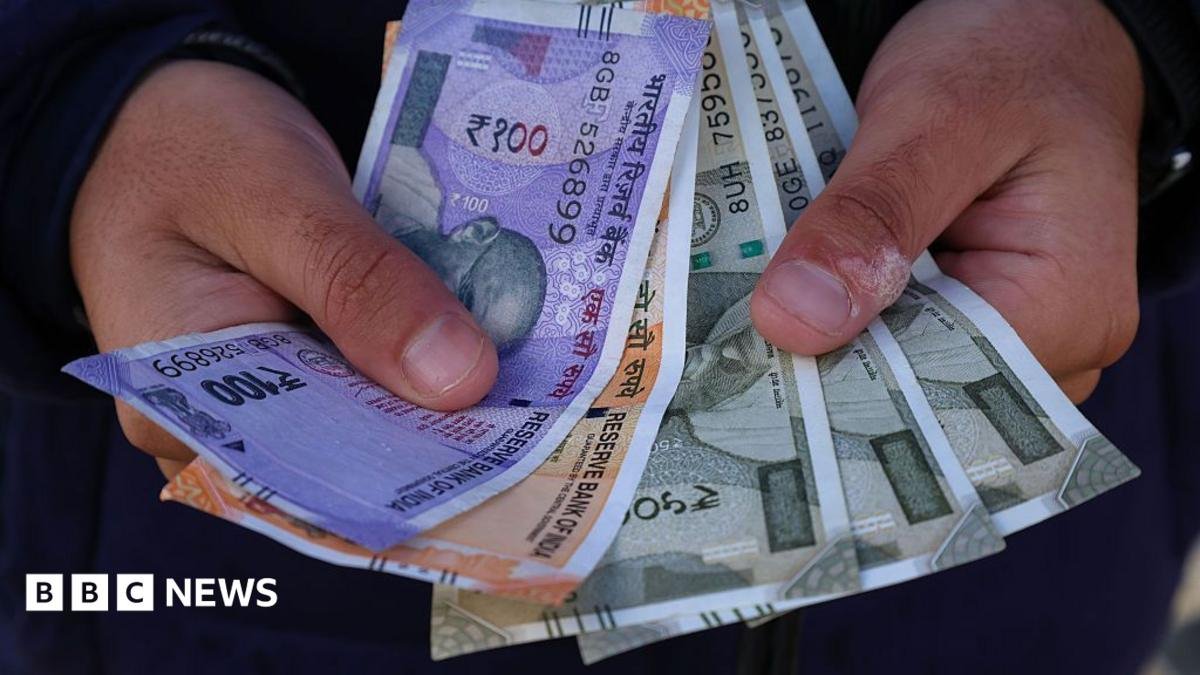
McCarthy lists who depends on it most bluntly: the elderly, the rural poor, domestic-violence victims hiding transactions from an abuser, and children learning what money is. “Some consumers,” she told me, “prefer the privacy and convenience of cash.”
For India’s RBI, this creates an awkward budgeting problem.
It runs its own paper mills, four currency printing presses and ink plants – an entire supply chain built for self-reliance – while promoting the world’s most successful instant-payments network.
Tagat says this creates a difficult choice for the RBI: how much to invest in managing cash and how much in promoting digital payments, especially as trials of 10 and 20 rupee polymer notes – first proposed a decade ago – finally get under way. (Polymer notes are more durable than paper ones, potentially reducing the cost and frequency of replacing worn-out cash.)
Murmu framed reliable cash as part of “monetary sovereignty”. Tagat says the rupee’s informal use across South Asia gives India another reason to keep its currency machinery running, as a shock-absorber for the whole region.
“The RBI,” Tagat says, “has a strong case for keeping cash going despite new digital payments alternatives.”
If UPI, as reported, starts attracting transaction charges on smaller payments, cash may claw back share even in the payments column, not just the savings one, he adds.
The lesson for policymakers is clear, and mildly humbling: digital payments have not made cash obsolete. Cash is less a technology being replaced than an insurance policy nobody wants to give up.


