



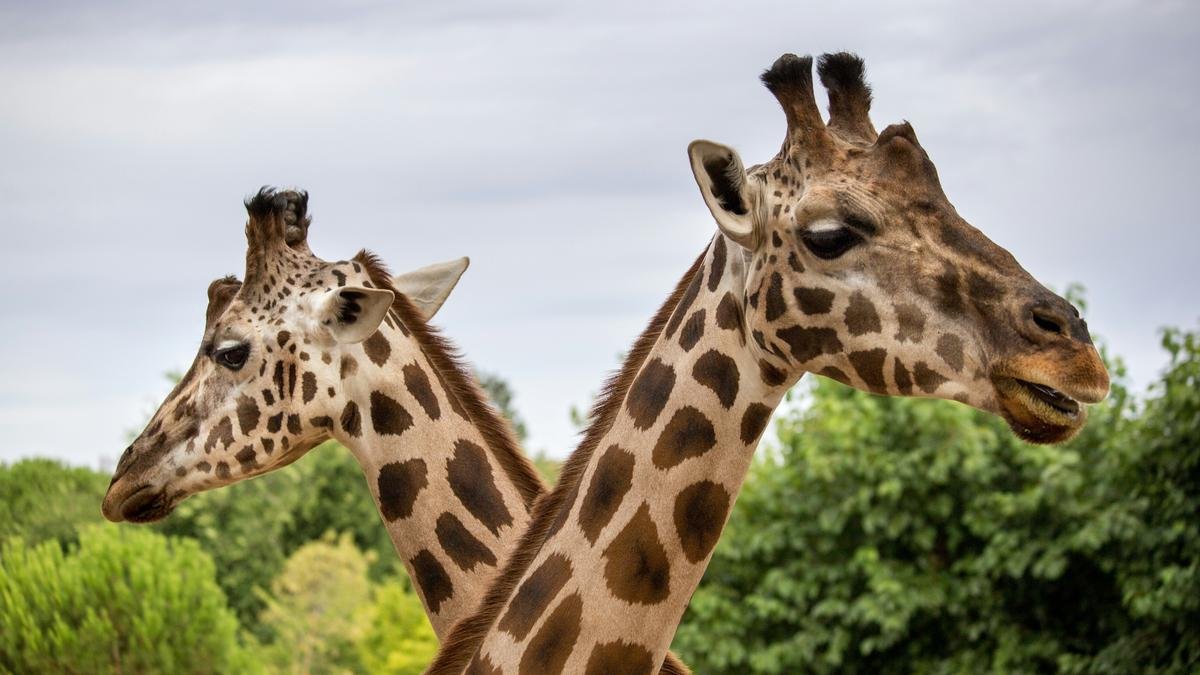
Most animals in general can recognise individual members of their own species, e.g. using differences in markings or calls.
| Photo Credit: JavyGo/Unsplash
— Mahua Ray
Humans are one of the species whose individual differences are unusually obvious to humans. We can be told apart by skin colour, hair colour, facial proportions, body shape, height, and many other traits. Our brains also excel at processing faces.
However, we are also very bad at distinguishing individuals of species we don’t normally interact with. We can tell two cats apart but not two sparrows, say. But sparrows — and birds and most animals in general — can recognise individual members of their own species, e.g. using differences in plumage or calls.
Humans can also learn how. After years spent studying chimpanzees, scientists’ ability to perceive differences becomes honed to the differences that already exist between individuals. The same goes for other animals. Individual plants of the same species can also have different height, branching patterns, leaf shapes, colours, etc. However, plants lack the evolutionary pressure to advertise their individual identities the way social animals do.
Humans, especially, live in societies where knowing who someone is — whether a friend or a foe, a stranger or an ally — has enormous consequences.
Published – August 19, 2026 09:15 am IST


