






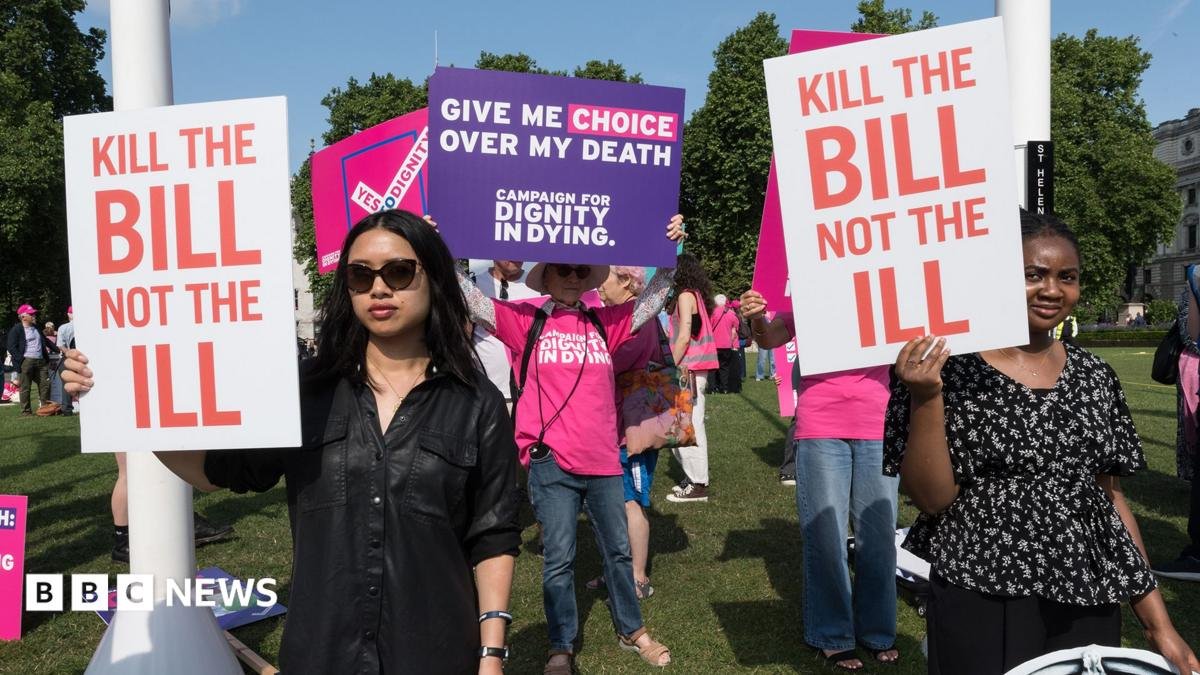
Edwards made clear from the start that she wanted to bring forward a bill that was identical to the one approved by the Commons in June last year.
This paves the way for rarely used powers to override objections from peers should they refuse to pass it again.
Bills usually only become law if both Houses of Parliament agree on its final wording.
Under the terms of the Parliament Acts, external, if an identical bill passes the Commons in two successive parliamentary sessions then the Lords cannot halt its progress a second time.
Peers can suggest amendments which, if agreed by the Commons, would be added to the bill.
But ultimately the powers could enable the bill to become law at the end of this current session even without peers’ approval.
The Parliament Acts were last used in 2004 to push through a ban on fox hunting.
Opponents have warned that using this procedure would risk creating a law which disability charities, hospices and others have raised major concerns.
Gareth Snell, a Labour MP who backed the bill last time, has signed a letter to Labour MPs saying he had “a profound concern” at the possibility of using the Parliament Acts.
“This is an extraordinary risk for us to take,” he said in a letter co-signed with Dame Meg Hillier, a prominent opponent of assisted dying.
Edwards argues she does not want to use the Parliament Acts but MPs passing an identical bill would force peers to scrutinise, rather than block, the legislation.


