



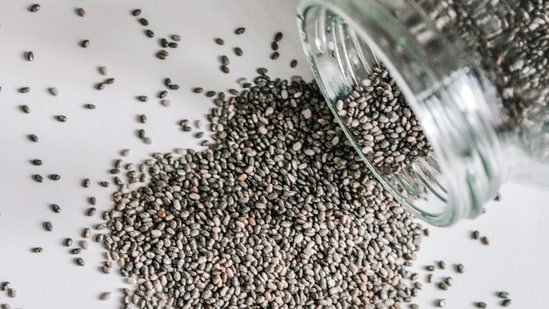
Chia seeds have earned their reputation as a modern-day superfood – tiny but densely packed with omega-3 fatty acids, plant-based protein and fibre. From puddings to smoothies, they have taken over social media feeds, with health experts frequently praising their benefits. Most of us know they should be soaked before consumption to unlock their gel-like texture and digestive advantages. But is that enough? Does the form in which you consume them – whole or ground – make a difference to how well your body absorbs their nutrients?
Deepsikha Jain, a nutritionist with a Master’s degree in Global Public Health Nutrition from the UK and a certified national diabetes educator, is unpacking the differences between whole and ground chia seeds, explaining how each form affects nutrient absorption and overall health. In an Instagram video shared on February 25, the nutritionist explains why grinding the seeds may be the healthier choice.
Increased bioavailability
Deepsikha highlights that while whole chia seeds are already a rich source of omega-3 fatty acids, plant-based protein and soluble fibre, grinding them may enhance their nutritional benefits even further. She notes that breaking down the hard outer shell makes the nutrients more bioavailable, allowing the body to absorb them more efficiently and maximise their health potential.
She explains, “When you consume whole chia seeds, they are actually a good source of omega-3, protein, and soluble fibre as well, but grinding the chia seed makes it much healthier for you, because when you are grinding the chia, it breaks the outer shell. That makes the bioavailability and absorption of omega-3, protein and antioxidants much higher.”
Higher holding capacity
The soluble fibre in chia seeds absorbs water and expands into a gel-like consistency within the gut, supporting hydration and helping to lubricate the digestive tract for smoother bowel movements. According to the nutritionist, ground chia seeds have a greater water-holding capacity, meaning they can retain more fluid and potentially enhance hydration.
Depsikha explains, “Ground chia seeds also have a higher holding capacity which means they can absorb much more water, hence improving your hydration.”
More digestible
Deepsikha further notes that ground chia seeds may be more beneficial for gut health, as they are easier to digest and ferment more efficiently in the intestines. This process can promote a higher production of short-chain fatty acids, which play a key role in nourishing the gut lining, reducing inflammation and regulating immunity.
The nutritionist highlights, “Ground chia seeds can be much better for your gut health because they are much more easily digestible and also have higher short chain fatty acid content as compared to whole chia.”
Final verdict: Ground chia seeds are definitely better than whole seeds.
Storage
Deepsikha outlines clear storage guidelines for maintaining freshness, stating, “Store it in an air tight container in the fridge after grinding for up to seven days.”
Note to readers: This article is for informational purposes only and not a substitute for professional medical advice. It is based on user-generated content from social media. HT.com has not independently verified the claims and does not endorse them.


