



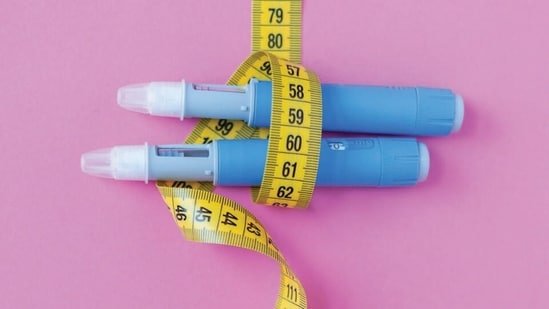
Comedian Aishwarya Mohanraj sparked an online conversation after revealing her 22 kg weight loss journey using Mounjaro in February 6 YouTube video. While her transformation has been major – she dropped from 74 kg to 52 kg over six months – it has also pulled back the curtain on the less glamorous side of GLP-1 medications, including nausea, physical discomfort, and hair loss. Also read | ‘I did Mounjaro so you don’t have to’: Woman shares her experience of taking weight loss drug
In an interview with HT Lifestyle, Dr Manoj Bharucha, consultant, gastrointestinal surgery, PD Hinduja Hospital and Medical Research Center, Khar, highlighted that these drugs are not ‘beauty treatments’, but powerful metabolic tools that require serious medical oversight.
He said about Aishwarya Mohanraj’s weight loss, “Her journey unfolded the truth about the drugs (including Mounjaro): side effects like nausea, discomfort, or even hair loss. They are not just easy ways to change one’s lifestyle or undergo beauty treatments; they are powerful metabolic drugs that require strict medical supervision.”
Who is the ideal candidate for Mounjaro, other drugs?
According to Dr Bharucha, eligibility isn’t about fitting into a specific dress size; it’s about clinical health metrics. The standard criteria include:
⦿ BMI of 30 or above: classified as clinical obesity.
⦿ BMI of 27 or above: if accompanied by weight-related conditions like Type 2 diabetes, hypertension, or PCOS (polycystic ovary syndrome).
⦿ The South Asian factor: Dr Bharucha noted that for South Asian populations, doctors often use lower BMI (body mass index – measurement of a person’s leanness or corpulence based on their height and weight) cut-offs. This is because this demographic is more susceptible to visceral fat and insulin resistance even at lower body weights.
Medication vs ‘cosmetic’ weight loss
A key takeaway from the surgeon’s insights is the distinction between managing a disease and aesthetic weight loss. These medications are designed for chronic weight management, not for shedding a few kilograms before an event, he shared.
“Distinguishing between cosmetic weight loss and treatment for obesity is crucial. Mounjaro is approved for managing type 2 diabetes, and Zepbound is the obesity-focused version of Mounjaro, whereas Wegovy has been specifically approved for chronic weight management. These medications are designed to manage long-term metabolic disease, not to help someone lose a few kilograms for aesthetic reasons,” Dr Bharucha said.
While these injections are a ‘medical middle ground’ between diet and bariatric surgery – often yielding 20–22 percent weight loss – they frequently require long-term or even lifelong use to maintain the results, he added.
The risks: when to say no
Dr Bharucha warned that these medications should never be self-prescribed as there are strict contraindications where these drugs could be dangerous:
⦿ Pregnancy: strictly prohibited.
⦿ Pancreatitis: a history of inflammation in the pancreas.
⦿ Specific cancers: anyone with a history of medullary thyroid cancer.
He explained, “These medications should never be self-started. They are strictly contraindicated in pregnancy, pancreatitis, and in those with a history of medullary thyroid cancer. Consulting a qualified doctor is the most crucial step for proper assessment, monitoring, and follow-up to determine both safety and success.”
Note to readers: This article is for informational purposes only and not a substitute for professional medical advice. Always seek the advice of your doctor with any questions about a medical condition.


