



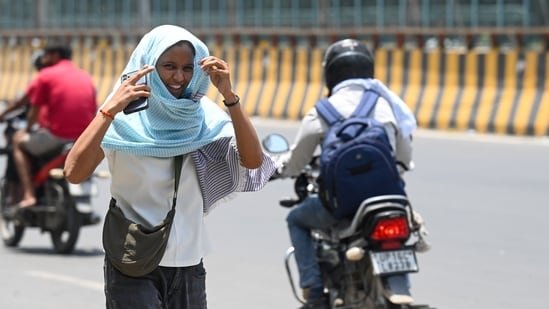
The India Meteorological Department (IMD) has sounded a high alert as a relentless heatwave tightens its grip on northwest and central India. The situation is so bad that the temperatures in the national capital and surrounding regions are hovering near 45°C (113°F). These extreme temperatures can not only lead to dehydration but also be bad for your brain, significantly increasing stroke risk.
To understand the impact of a heatwave on the human brain, HT Lifestyle spoke with Dr Sujit Kumar, director and senior consultant, neurology, at KIMS Hospitals (Krishna Institute of Medical Sciences), Electronic City, Bengaluru.
Stroke risk in summer
Explaining the brain and heatwave connection, Dr Kumar said, “As a neurologist, I have seen a visible increase in the number of patients suffering from strokes when it comes to extreme hot summers. It is generally thought that stroke occurs due to high blood pressure, diabetes, and ageing, but it does not occur to many people that heat and dehydration also cause strain on the brain and blood vessels.”
This is particularly relevant for India, given the rising temperatures each year. According to the neurologist, during the summer, one’s body sheds large amounts of fluid through sweating. However, he added, “When the lost fluid is not sufficiently restored, dehydration occurs. Once dehydrated, the patient’s blood becomes thicker and more concentrated, thereby facilitating the formation of blood clots.”
When a blood clot forms, he noted that the flow of oxygen-rich blood into the brain gets blocked, which triggers an ischemic stroke, the most typical of all strokes.
Moreover, experiencing a heatwave increases the burden on the cardiovascular system, as the body must use more resources to regulate its temperature. “As a result, arteries expand, and the heart tries to provide enough blood. However, for older patients or those with hypertension, diabetes, heart disease, or high cholesterol levels, the mentioned effects may be potentially life-threatening,” the neurologist explained.
Apart from that, blood pressure may fall rapidly due to dehydration, thus restricting blood supply to the brain. However, what worries Dr Kumar the most is that early warning signs go unnoticed in summer. This is because most of them are considered merely fatigue or heat exhaustion. For instance:
- Weakness or numbness on one side of the body
- Trouble speaking or slurred speech
- Intense headache
- Vision problems
- Confusion or inability to balance oneself
- Sudden dizziness
All of the above should not be overlooked, especially during scorching weather, since strokes require immediate attention, as otherwise the brain can suffer serious damage.
Some of the high-risk categories in which some people are more susceptible to experiencing heatwaves, as per Dr Kumar, include:
- People above retirement age
- People with poorly controlled blood pressure and diabetes
- Outdoors workers with exposure to the direct rays of the sun
- Dehydration because of reduced intake of fluids
- A history of stroke or heart conditions
Precautions and solution
“From a preventive standpoint, adequate hydration is the easiest and most effective method. I recommend that people drink water regularly, regardless of whether they feel thirsty,” the neurologist suggested.
He also advised avoiding large quantities of caffeinated, alcoholic or sugary beverages, since they dehydrate the body. Additionally, outdoor activities should be avoided during peak afternoon hours. He added, “People are advised to wear light-coloured clothes and maintain appropriate electrolyte balance in case of excessive sweat loss.”
The third aspect to consider is medication. Dr Kumar explains, “Many patients under treatment for blood pressure and heart conditions take medications that have the potential to adversely affect fluid balance in the body. People are therefore required to continue taking their medications while being very cautious regarding adequate hydration.”
Lastly, he noted that stroke prevention in summer does not only mean remaining cool all the time. It is about protecting the brain from the hidden effects of dehydration and extreme heat. “Proper awareness, prompt diagnosis of symptoms, and adequate hydration can save lives and avert disability.”
Note to readers: This article is for informational purposes only and not a substitute for professional medical advice. Always seek the advice of your doctor with any questions about a medical condition.


