








Need extra funds for your next purchase?
Loan up to ₹5 Lakhs
Starting at 11% p.a.*
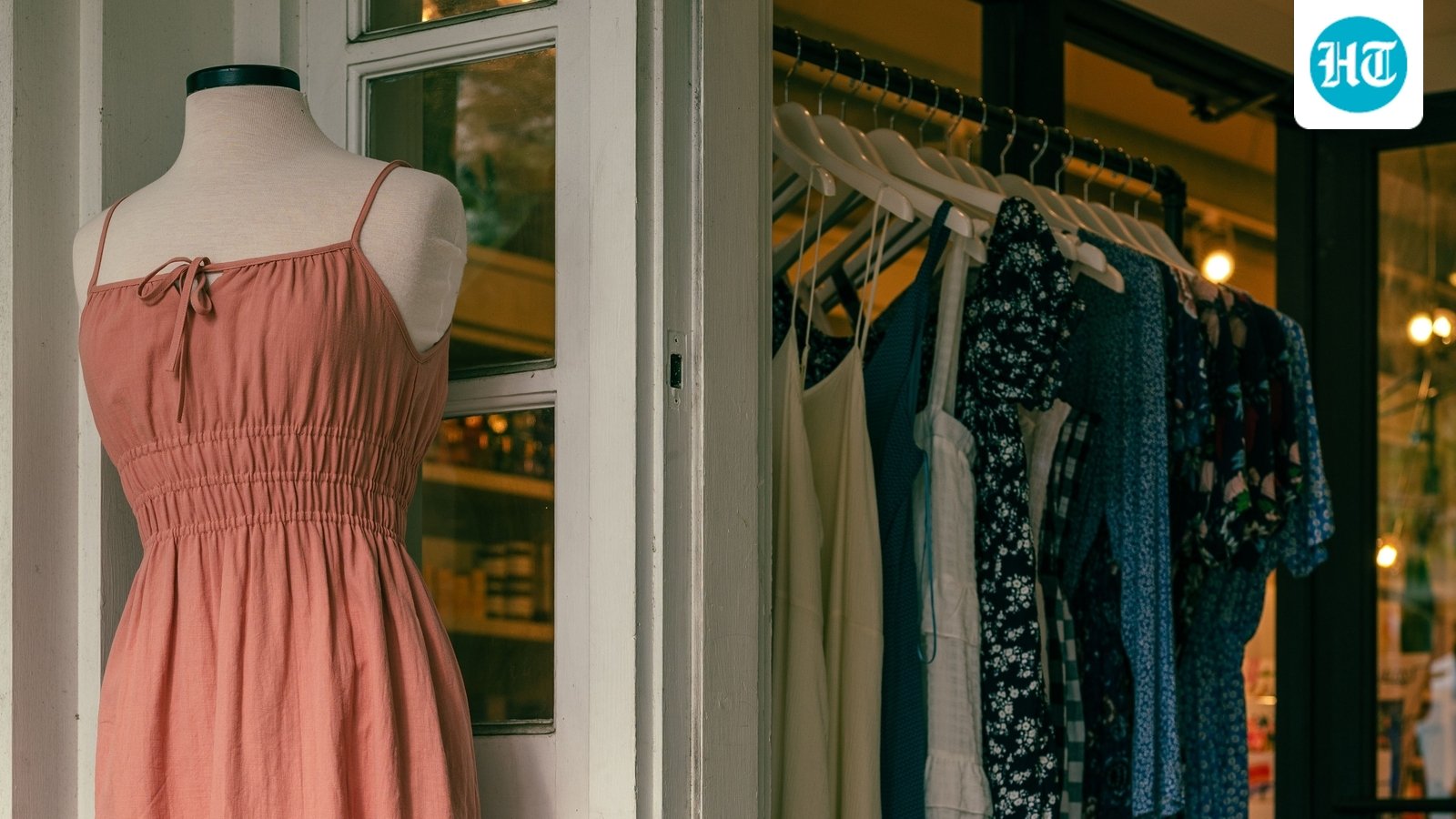
Summer dressing sounds simple until you actually have to spend an entire day outside in 35°C heat. Suddenly, the cute dress you loved online feels clingy, sweaty and impossible to sit comfortably in.
I’ve learnt that the fabric matters just as much as the silhouette. A breezy dress in the right material can make a hot day feel significantly easier, while even the prettiest design can become unbearable if the fabric doesn’t breathe.
So before I look at prints, necklines or trends, these are the fabrics I look for when shopping for summer dresses.
Cotton is still my safest summer bet
If I’m buying a dress for everyday wear in Indian summers, cotton is usually where I start.
It’s breathable, lightweight and comfortable against the skin, which makes it particularly useful when you’re going to be outdoors for hours. Cotton also comes in everything from crisp poplins to softer mulmul and voile, so it doesn’t have to mean a stiff, traditional-looking dress.
I especially love cotton for day dresses, shirt dresses, midi dresses and easy A-line silhouettes.
My styling trick: Choose a slightly relaxed cotton dress rather than one that’s tightly fitted. The extra airflow makes a noticeable difference.
Linen is unbeatable when I want that effortless look
There’s something about a linen dress that automatically looks expensive.
More importantly, linen is excellent for hot weather because it is lightweight and breathable. It also has that slightly rumpled texture that makes it look intentionally relaxed rather than like you’ve been fighting with your iron all morning.
I reach for linen when I want a dress that can go from brunch to an afternoon of errands without looking too casual.
The only catch? Linen wrinkles. A lot.
Personally, I don’t see that as a problem. The lived-in texture is half the charm.
Best for: Shirt dresses, midi dresses, relaxed maxi dresses and resort-inspired styles.
Mulmul is my pick for really hot days
If you’ve never worn a good mulmul cotton dress in peak summer, you’re missing out.
The fabric is incredibly light and airy, making it particularly comfortable when the temperature is doing the absolute most. It’s also soft against the skin and works beautifully for loose silhouettes.
I would especially look for mulmul when shopping for Indian cotton dresses, tiered dresses and relaxed summer maxis.
The important thing is to check the fabric and construction because extremely lightweight dresses can sometimes be sheer.
My tip: Always check the product photos in natural light and look for lining details before buying.
Rayon and viscose are great when I want a softer drape
This is where things get interesting.
Rayon and viscose can be excellent choices when you want a dress that falls beautifully rather than sitting stiffly against the body. They’re particularly good for flowy silhouettes because the fabric has movement.
I love them for printed dresses, wrap dresses and relaxed midi styles.
However, I wouldn’t automatically assume that every rayon or viscose dress will feel cool. Fabric weight, weave and construction matter too.
A loose, lightweight viscose dress can feel wonderful in summer, while a heavier synthetic-heavy blend can feel considerably less breathable.
So I always look beyond the word “viscose” on the product page.
Chiffon is lovely, but I save it for the right occasion
Chiffon immediately gives a dress that floaty, feminine quality, which is why it’s so popular for summer occasionwear.
It’s lightweight and moves beautifully, but I wouldn’t necessarily make it my first choice for an everyday dress in peak heat.
Many chiffon dresses are layered or lined, and those extra layers can affect breathability.
For weddings, dinners and evening events, though? Absolutely.
My pick: A loose chiffon maxi or flowy midi with minimal layering.
Chambray gives me denim energy without the heaviness
I love denim dresses, but traditional denim can feel far too heavy once summer arrives.
That’s where chambray comes in.
It has that relaxed blue, denim-inspired appearance while generally feeling lighter and more comfortable. A chambray shirt dress is one of those pieces that looks effortlessly styled even when you’ve spent approximately three minutes getting dressed.
Style it with: White sneakers, a crossbody bag and minimal jewellery.
Khadi and handloom cottons are underrated summer heroes
For days when I want something more distinctly Indian, I look towards breathable handloom fabrics.
Khadi and lightweight cotton handlooms can have beautiful texture and airflow while giving a simple dress much more character than a plain mass-produced fabric.
They’re particularly lovely for straight dresses, shirt dresses and contemporary ethnic silhouettes.
And because the texture does most of the styling work, I usually keep the accessories simple.
What about polyester?
This is probably the fabric question I get most often.
Polyester isn’t automatically terrible for summer, but I wouldn’t choose a heavy polyester dress simply because the print is pretty.
The weave, weight and construction all matter. A lightweight, well-constructed polyester garment can be perfectly wearable, particularly for evening occasions, but it generally wouldn’t be my first choice for a long, sweaty day outdoors.
If I’m choosing between a breathable cotton dress and a heavy synthetic one for peak summer, I’m picking cotton every single time.
The fabric test I use before buying a summer dress
I’ve stopped looking at fabric composition in isolation.
Instead, I ask myself:
Even breathable fabric can feel uncomfortable when a dress is extremely tight.
A lining can make a lightweight dress more wearable if it’s sheer, but too many layers can make it warmer.
- Does it absorb or trap moisture?
This matters particularly if you’re shopping for something you’ll wear during the day.
- Can I actually move in it?
Summer isn’t the time for a dress that looks beautiful only when you’re standing still.
My summer fabric cheat sheet
If I’m shopping specifically for hot weather, this is roughly how I’d rank my options:
For everyday Indian summers: Cotton, mulmul cotton and lightweight handloom cotton.
For an elevated minimalist look: Linen.
For flowy dresses: Viscose or lightweight rayon.
For occasionwear: Chiffon, provided it isn’t heavily layered.
For a denim-inspired look: Chambray.
For a more textured, traditional feel: Khadi and lightweight handlooms.
The bigger lesson I’ve learnt is that “summer fabric” isn’t determined by the label alone. A lightweight, loose-fitting dress in the right weave will almost always feel better than a heavy dress made from a supposedly summer-friendly material.
So yes, I’m still going to look at the floral print and neckline first sometimes. I’m human.
But before I add a summer dress to my cart now, I check the fabric composition, weight, lining and silhouette. Because looking cute is great, but not sweating through your dress by lunchtime is even better.


