



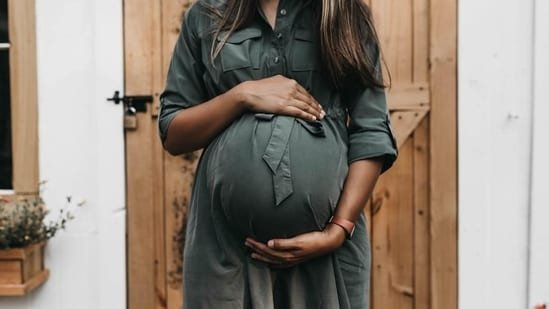
When we talk about maternal and child nutrition, we are talking about something far larger than a health indicator. We are talking about the conditions that determine whether a woman can live with full strength and purpose, whether she can carry a healthy pregnancy, raise a thriving child, return to work with energy, and participate in the economic and social life. Nutrition is the foundation that makes all of this possible.
The recently concluded 8th POSHAN Pakhwada, themed Maximising Brain Development in the First 6 Years of Life, served as a reminder of what good nutrition makes possible for mothers, children, and India’s future.
The most striking thing about a woman’s nutritional health is how far its consequences reach. A well-nourished woman is stronger, more energetic, less vulnerable to illness, and better able to make decisions about her own life. And when she becomes a mother, her nutritional reserves become the first resource her child depends on for growth, immunity, and the extraordinary process of brain development that begins in pregnancy and continues through the earliest years of life.
However, anaemia remains one of the common points at which this chain breaks down, and it is far more dangerous than its quiet prevalence often suggests. The clinical risks are serious. Anaemic women face significantly higher rates of preterm labour, low birthweight babies, and postpartum haemorrhage, one of the leading causes of maternal death in India. During labour, a woman with severely depleted iron has little physiological reserve to withstand blood loss. A complication that may be manageable in a well-nourished woman can become life-threatening when haemoglobin levels are already critically low.
The consequences extend beyond childbirth. A woman whose blood cannot carry adequate oxygen may not sustain a pregnancy with the reserves her baby needs for healthy development. Babies born to anaemic mothers are more likely to be iron-deficient themselves, entering the world already disadvantaged, with weaker immunity, lower birthweight and impaired cognitive development. Iron is not just a nutrient. It is essential for the developing brain, and its absence during the earliest stages of life can leave lasting effects well into childhood and adulthood.
The burden does not end after delivery. Chronic anaemia during the postpartum period slows recovery, reduces a woman’s capacity to breastfeed effectively, and deepens the physical exhaustion that often accompanies new motherhood. Both mother and child pay the price.
This is why addressing anaemia is urgent. By the time many women arrive for their first antenatal check-up, they may already be in their second trimester, and some of most critical stages of early foetal development may have already passed. The Anaemia Mukt Bharat programme reflects an important understanding that iron supplementation, dietary counselling, and regular screening must reach girls and women long before pregnancy begins. At FOGSI, we strongly support this approach and believe that no women should enter her first pregnancy already depleted of essential micronutrients.
A woman’s nutritional status at the time of conception matters enormously. An adolescent girl who grows up well-nourished, free from iron deficiency, with access to a diverse and adequate diet enters pregnancy with an important biological advantage she passes directly to her child.
This is precisely why India’s investment in adolescent nutrition through POSHAN 2.0 is important. It is not separate from the maternal and child nutrition agenda; it is its earliest and most critical chapter. The foundations of a healthy pregnancy are laid long before pregnancy itself.
When a woman is well-nourished during pregnancy, the benefit to her child is profound and lifelong. A baby born to a healthy mother is more likely to arrive at a healthy weight, with stronger immunity, better organ development, and a brain that has received essential nutrients such as iron, folate, Docosahexaenoic acid (DHA) and iodine to build its earliest architecture.
That foundation is then strengthened further through the golden hour–the first 60 minutes after birth, when early initiation of breastfeeding delivers colostrum, the infant’s first immunological protection and the most concentrated nutritional gift a mother can offer. Exclusive breastfeeding for the first six months continues this protection, providing the infant with the nutrition, immunity, brain-building components needed for healthy growth and development.
Together, the period from conception through a child’s second birthday, the first 1,000 days of child’s life, represents the single most important window for human development. What happens during this window shapes cognition, immunity, and physical capacity, and long-term health outcomes. Complementary feeding introduced at six months, alongside continued breastfeeding, should draw on the diverse and nutrient-rich foods already present in India’s rich food traditions, including dals, green vegetables, eggs, and seasonal fruits, to sustain the brain and body through this critical phase.
A child who receives this full continuum of nutritional care arrives at school ready to learn, engage, and grow into the healthy and confident adult capable of contributing meaningfully to society. The generation of children being born in India today is entering the strongest nutrition policy environment this country has ever built.
A well-nourished mother is not only a healthier woman. She is a stronger worker, a more confident parent, and the first environment in which a child’s future is shaped. Without this foundation, India cannot fully realise the promise of its future generation.
(The views expressed are personal)
This article is authored by Dr Bhaskar Pal, president, Federation of Obstetrics and Gynaecological Societies of India (FOGSI).


