



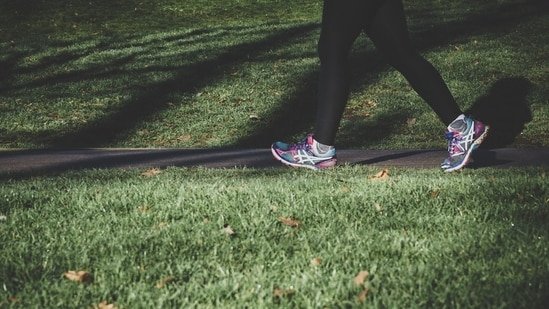
Walking is one of the simplest and most accessible forms of exercise, yet its benefits are often overlooked in favour of more intense workouts. While a daily walk may not seem transformative at first, consistently putting one foot in front of the other can lead to meaningful changes in your energy levels, mood, digestion, sleep, and overall fitness over time. If you’ve ever wondered whether hitting 10,000 steps a day is worth the effort, a fitness expert is breaking down exactly what you can expect during your first month of making walking a daily habit.
Also Read | Tamannaah Bhatia’s fitness coach shares 3 workout mistakes that can throw your hormones off balance
Celebrity fitness coach Siddhartha Singh, known for training stars such as Tamannaah Bhatia, is explaining the changes your body may experience when you commit to walking 10,000 steps every day, from the initial adjustment period to longer-term improvements in energy, fitness, and overall wellbeing. In an Instagram video shared on June 6, the fitness trainer highlights, “If you walk 10,000 steps every day for one month, this is how your body is going to change.”
Week 1: Soreness + irritation as your body adjusts
According to Siddhartha, your body typically needs about a week to adjust to a new walking routine. During this initial phase, you may experience soreness, mild irritability, and a sense that your daily rhythm has been thrown off. However, these responses are temporary – your body gradually adapts, becoming more resilient with each passing day.
He highlights, “You are actually going to feel slightly irritated. Your body is going to be a little sore and you will feel like your entire schedule has been turned upside down, but slowly and steadily, the body will adjust.”
Week 2: Better digestion + lighter feeling
As you move into the second week, Siddhartha explains that your body begins to adapt more noticeably to the routine. Stiffness and muscle tension start to ease, leaving you feeling more relaxed and comfortable. You may also notice a lighter feeling overall, improved digestion, and steadier energy levels throughout the day as your body settles into its new rhythm.
The fitness trainer notes, “Your body will feel less stiff. You will also feel lighter, your digestion will improve, and your energy levels will slowly start to stabilise.”
Week 3: Improved mood + energy stability
By the third week, Siddhartha says your body has largely adjusted to the walking routine, helping you feel less sluggish and more refreshed throughout the day. The benefits extend beyond physical health as well – your mood may improve, stress levels can begin to ease, and you may find yourself feeling calmer and more relaxed. Better sleep quality is another common change at this stage.
He explains, “You will feel less sluggish. Your mood will improve, you will feel calmer, and your sleep may even get better.”
Week 4: Visible changes in energy, activity, and weight
By the fourth week, the benefits of your walking routine become more noticeable. According to the fitness coach, you may feel lighter, more energetic, and generally more active as your energy levels stabilise. For those with a largely sedentary lifestyle, this is also when gradual weight loss may begin to show.
Siddhartha explains, “This is when people actually start noticing the change. Not only will you feel lighter, you will also feel more active, and your weight might even have decreased – especially if you are usually in a routine of sitting all day, such as in an office cubicle.”
He concludes, “The point is that you do not always need extreme fitness; sometimes, just movement is enough to move the scale. However, to be honest, doing 10,000 steps every day is not going to magically give you abs. But for most working professionals, it is a great way to start your fitness journey.”
Note to readers: This article is for informational purposes only and not a substitute for professional medical advice. It is based on user-generated content from social media. HT.com has not independently verified the claims and does not endorse them.


