






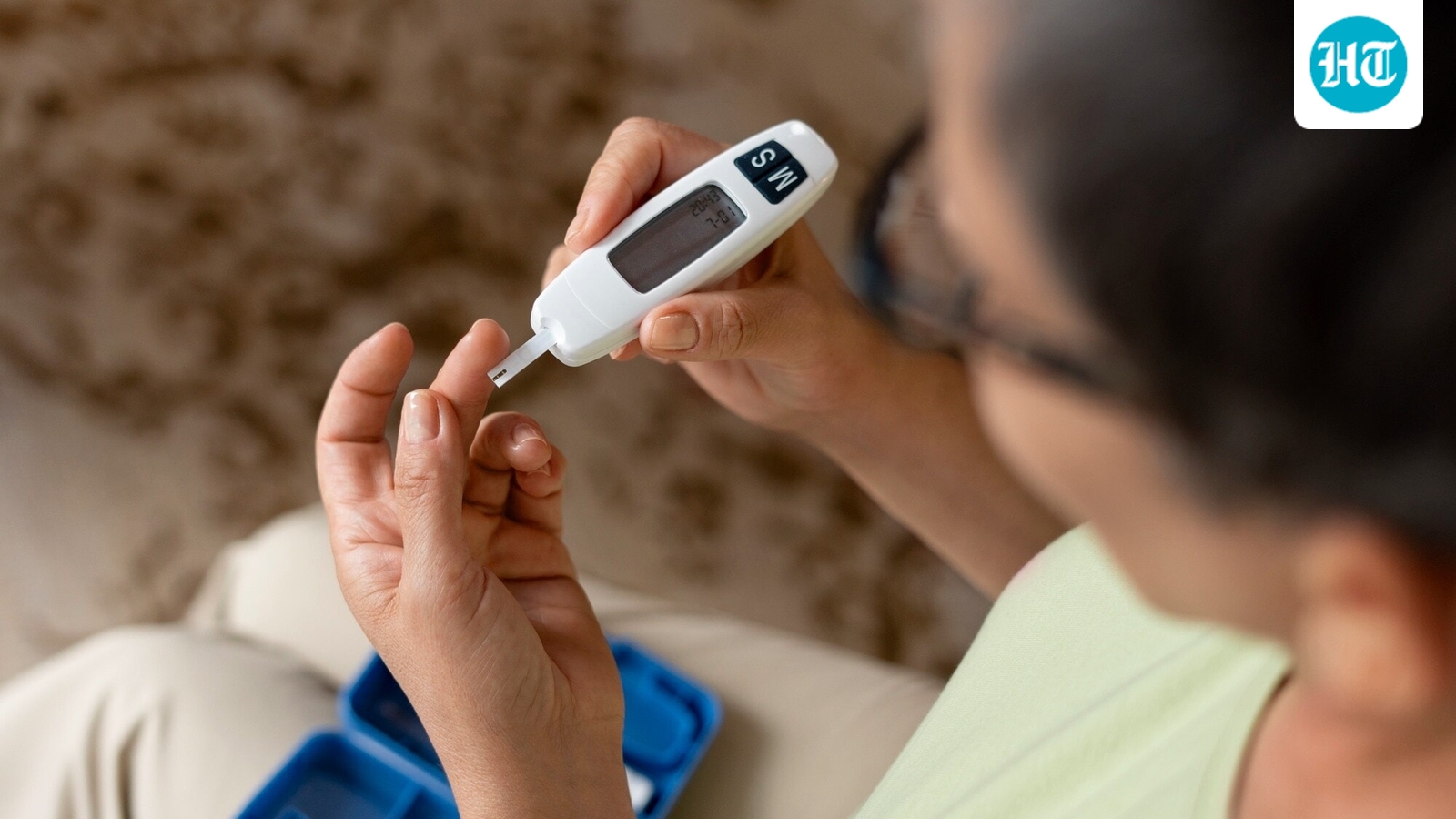
For people with diabetes, the normal functioning of insulin gets disrupted, which causes the glucose from food to stay in the body. Diabetic people are also sensitive to carbs or sugary foods, as they then experience sharp blood sugar spikes. High blood sugar leads to complications such as organ damage. The first step towards blood sugar management is understanding what to eat and what to avoid.
ALSO READ: Can diabetes damage your liver? Doctor flags early signs and prevention tips
Breakfast is hailed as the most important meal of the day, as it kickstarts you and energises you for the rest of the day. In order to maximise the potential of breakfast, which foods work against your physiology and which support it need closer attention.
What foods do you need to eat and avoid, especially for breakfast? We asked an expert in the nutrition science field. Tanay Mandowara, diabetes reversal coach and nutrition expert, about the best and worst foods for breakfast.
Why do you need to be careful with breakfast choice?
Breakfast choice cannot be arbitrary or whatever fits in your morning rush hour, as you head out for work.
Why exactly is breakfast crowned as the most important meal of the day? Tanay described the relevance from the standpoint of diabetics: “Breakfast can be an important meal for people with diabetes, especially when it comes to managing blood sugar levels throughout the day. While some common breakfast choices may appear healthy, they can be loaded with added sugar or simple carbohydrates that may cause a quick rise in blood glucose.”
Blood sugar spikes and then crashes, which impacts the day’s functioning too, as mid-afternoon onwards lethargy and tiredness set in.
Even in the morning, the primary focus should be to include non-negotiable essentials. The expert named protein, fibre and nutrient-dense foods. Avoid any food that might be high in calories but with no valuable nutrients.
He also addressed portion size: “Focus on right portion sizes and overall carbohydrate intake. Ensure it is personalised, based on a person’s blood sugar levels, medication, and overall diabetes management plan.”
Here’s a list of foods people should eat and avoid for breakfast, as per the expert:
3 things people with diabetes should eat for breakfast
1. Eggs
- Source of high-quality protein.
- Contains vitamins A, D, E, K.
- Contains minerals like selenium, phosphorus, calcium, and potassium.
- Makes breakfast more filling and balanced, less likely to be hungry later.
2. Besan chilla
- Convenient breakfast option for vegetarians.
- Made with gram flour, it provides protein and, when mixed with vegetables, chilla also offers essential vitamins and minerals.
- Add vegetables like onions, tomatoes, spinach, or capsicum to chilla to get fibre, vitamins, and minerals.
3. Vegetable-loaded poha
- Good vegetarian choice but preparation matters.
- Add a generous amount of vegetables to increase fibre content. Fibre slows down absorption of carbohydrates and, in turn, helps reduce a sharp glucose spike after breakfast.
- Vegetables such as peas, carrots, beans and capsicum can be added to make the meal more balanced.
3 things people with diabetes should avoid for breakfast
1. Cereals
- Cereals cause blood glucose levels to rise quickly because of added sugar and simple carbohydrates.
2. Fried foods like vada pav and kachori
- Contain refined carbohydrates with a significant amount of fat, making them less suitable as a regular breakfast.
- Once in a while, they can be indulged in, but should never be made into an everyday breakfast habit.
3. Fruit juices
- Juicing removes much of the fibre found in whole fruit. It leaves only sugar behind, which, after consumption, causes blood sugar to rise.
- Choose whole fruits in appropriate portions rather than regularly consuming fruit juices.
To wrap it up, it is important to highlight that breakfast choice is actually simpler than it appears. For non-vegetarians, eggs remain a popular choice, while non-vegetarians can go for chilla with veggies. Even the traditionally carb-heavy breakfast choice, like poha, can be made healthier by adding veggies and sprouts.
Note to readers: This article is for informational purposes only and not a substitute for professional medical advice. Always seek the advice of your doctor with any questions about a medical condition.


