



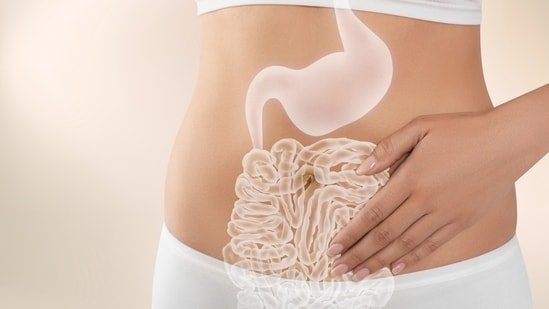
At the heart of good health is a healthy gut. The bidirectional pathways, like gut-brain, gut-skin, and gut-immunity axes, corroborate gut health’s influential position. It is a no-brainer to adopt dietary habits that support the gut. But while you are doing it, make sure you adequately and correctly support gut health. Locating the ‘key’ is critical.
ALSO READ: IBS vs IBD: Gastroenterologist shares the main differences between the two common gut conditions
New Jersey-based endocrinologist Dr Alessia Roehnelt walked her viewers through the ‘key to gut health’ in her recent April 13 post.
This ‘key’ is a bit more unconventional than you would generally assume gut-related foods to be.
What is the common mistake people make?
The endocrinologist observed a common mistake that’s keeping people from pushing their gut health to the maximum potential. “As a doctor, I see this all the time. Patients think that by adding a probiotic, they are going to be improving their gut microbiome. Well, research says that something else matters more.” While probiotics enrich the gut microbiome, for holistic gut health support, it is not enough. Often, the complacency settles in, expecting probiotics to do all the heavy lifting for you and improve gut health. Probiotics may be the star, gaining a household name for its gut-friendly properties, but it alone cannot do all the work.
What is the ‘key’ to gut health?
For a more comprehensive dietary support, the endocrinologist advocated for the addition of plant-based foods. At least thirty plant-based foods should be eaten every week. Outlining the benefits, she said, “Include things like legumes, fruits, herbs, spices, anything that really comes from the earth and a healthier microbiome may improve hormone balance, metabolism, weight regulation, even inflammation.” The endocrinologist implied that with a healthier digestive system, because of improved gut microbiome, then consequently, major physiological systems like metabolism and the immune system also benefit.
You will suffer from nutritional gaps if you do not properly keep a check on the weekly veggies you are eating. If protein can have a daily intake, then consider doing the same for vegetables too, as they are a great source of minerals, vitamins and fibre.
It is an eye-opener, acting as an important reminder to shape the diet to be as balanced as possible, for good health to be in your reach. Do not rely on one single component that has been crowned as the go-to by the common health advice; in this case, it is probiotics. While probiotic is no dethroned for being the primary gut health booster, it is not the only nutrient that supports your microbiome. Teamwork’s result is always better, than a lone wolf’s.
Note to readers: This report is based on user-generated content from social media. HT.com has not independently verified the claims and does not endorse them. This article is for informational purposes only and not a substitute for professional medical advice.


