



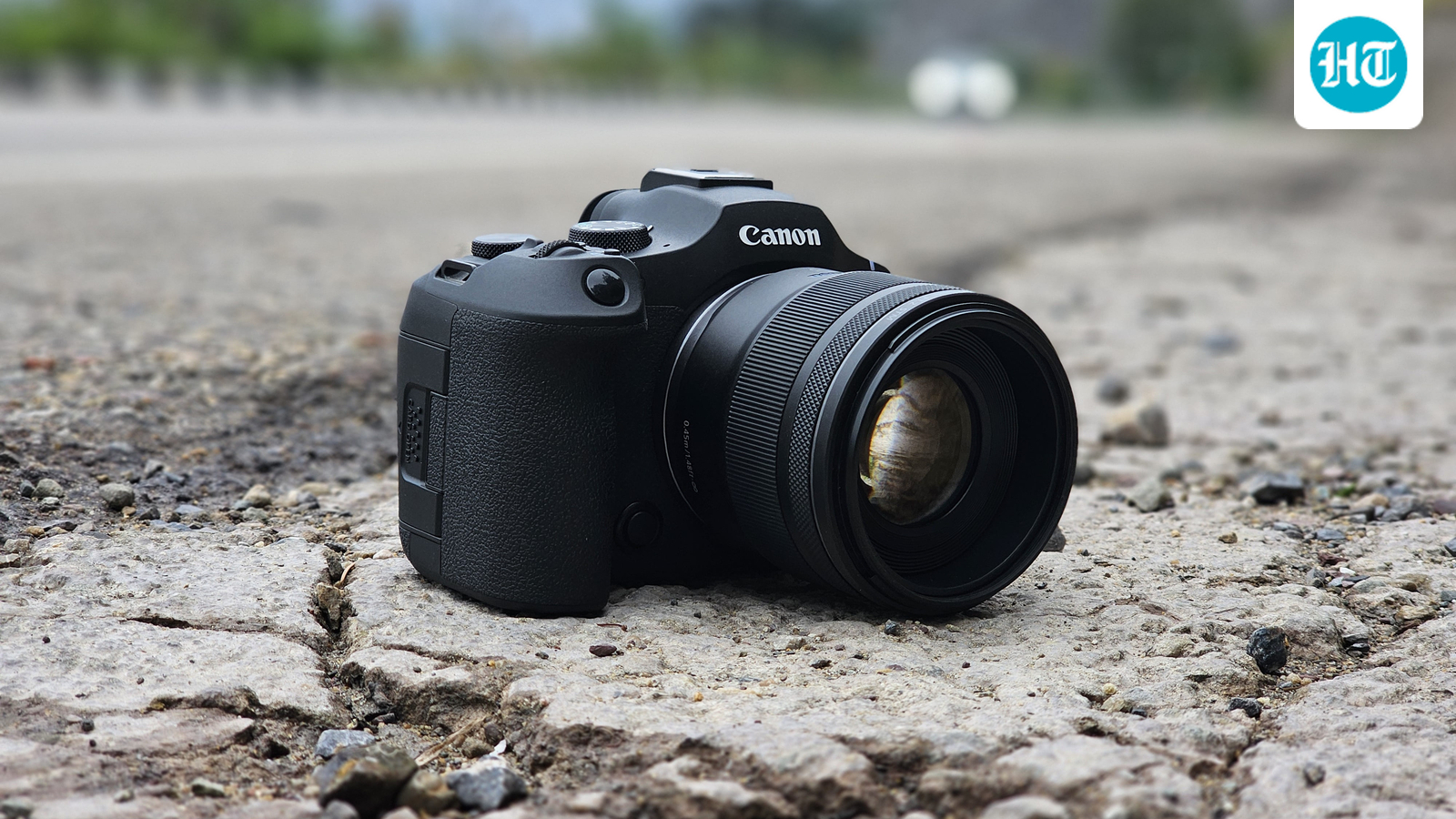
Wildlife photography can change in a fraction of a second. A bird can suddenly take flight, a tiger can emerge from cover or an animal can disappear before you have time to react. That makes autofocus, burst shooting and telephoto reach far more important than simply chasing a high megapixel count.
Modern mirrorless cameras are making this easier with animal and bird detection, faster subject tracking and improved continuous shooting. Some also offer high resolution sensors that give photographers more room to crop distant subjects. If you are planning a safari, birding trip or simply want to take wildlife photography more seriously, these are the cameras worth considering.
The Sony Alpha 6700 is a capable APS-C mirrorless camera aimed at creators who need strong photography and video performance. Its 26MP sensor, AI-powered autofocus and in-body image stabilisation make it versatile for travel, portraits, street photography and content creation. The bundled 18-135mm lens provides a useful focal range without frequent lens changes. It can record 4K video at 60fps and supports advanced 10-bit recording, while the compact body makes it easier to carry than a traditional DSLR.
What are buyers saying?
Buyers generally praise the camera’s autofocus, image quality, compact size and versatility of the 18-135mm lens. Video creators particularly appreciate its stabilisation and strong 4K performance for handheld shooting.
Why you should choose this product?
Choose this camera if you want one body that can handle photography, travel and serious video work. Its autofocus, stabilisation and versatile lens make it particularly suitable for creators.
The Fujifilm X-M5 combines a compact retro-inspired body with a 26.1MP X-Trans CMOS 4 sensor and Fujifilm’s latest X-Processor 5. It is particularly appealing to vloggers and travel photographers, offering 6.2K recording, 4K 60fps video and Full HD slow motion at 240fps. The fully articulating touchscreen makes framing yourself easier, while Fujifilm’s film simulations provide distinctive colours straight from the camera. The 15-45mm power zoom lens keeps the overall setup compact and travel friendly.
What are buyers saying?
Buyers and reviewers generally like the compact design, attractive image output, film simulations and video capabilities. The lack of an electronic viewfinder and limited stabilisation are the most frequently noted compromises.
Why you should choose this product?
Choose it if portability and video creation matter more than having a traditional camera experience. The articulating screen, 6.2K recording and compact design make it particularly creator friendly.
The Canon EOS Rebel T7 remains a straightforward DSLR for beginners entering interchangeable-lens photography. It uses a 24.1MP APS-C CMOS sensor with Canon’s DIGIC 4+ processor and offers an optical viewfinder for traditional shooting. The bundled 18-55mm lens works well for everyday photography, while built-in Wi-Fi makes transferring images easier. This particular package also includes a 64GB memory card, camera bag, UV filter and cleaning cloth, making it a convenient starter kit for new photographers.
What are buyers saying?
Buyers commonly appreciate the straightforward controls, image quality and value offered by the T7 as a first camera. The 18-55mm lens is considered useful for everyday photography, although its video features feel dated.
Why you should choose this product?
Choose the T7 if you are starting photography and prefer an optical viewfinder and simple DSLR controls. The included accessories also make this bundle convenient for first-time camera owners.
The Canon EOS R100 is a compact entry-level mirrorless camera designed for people moving up from smartphones or basic cameras. Its 24.1MP APS-C sensor delivers detailed stills, while the RF-S 18-45mm lens keeps the package small and lightweight. It also supports 4K video recording and Canon’s Dual Pixel autofocus for still photography. The electronic viewfinder gives it a more traditional shooting experience, although the fixed, non-touch display limits its usefulness for vlogging and unusual shooting angles.
What are buyers saying?
Buyers generally like the R100 for its compact size, easy controls and attractive still images. Feedback also highlights its value as an entry-level mirrorless camera, while the fixed screen and limited video features draw criticism.
Why you should choose this product?
Choose the R100 if you want an affordable and lightweight route into Canon’s mirrorless ecosystem. It works particularly well for casual photography, family shots and beginners learning interchangeable-lens cameras.
The Nikon D7500 is a more enthusiast-focused DSLR with a 20.9MP DX-format sensor, EXPEED 5 processor and a rugged, comfortable body. Its bundled 18-140mm VR lens offers a broad focal range covering landscapes, portraits, travel and distant subjects without requiring another lens. The camera can shoot continuously at up to 8fps and record 4K UHD video. Its strong high-ISO performance, optical viewfinder and long battery life also make it well suited to serious photography.
What are buyers saying?
Buyers strongly praise the D7500’s image quality, handling, autofocus and overall build. The 18-140mm lens also receives positive feedback for versatility, while many owners consider the camera suitable for serious hobbyist photography.
Why you should choose this product?
Choose the D7500 if photography is your priority and you prefer a traditional DSLR. Its strong sensor, fast shooting, optical viewfinder and versatile 18-140mm lens make it suitable for demanding shooting.
Factors to consider when buying a wildlife camera
- Autofocus and subject detection: Look for reliable animal and bird recognition that can maintain focus as subjects move.
- Burst shooting: A faster burst rate gives you more chances to capture the exact moment an animal jumps, flies or attacks.
- Telephoto lens support: Long lenses are essential for filling the frame while maintaining a safe distance from wildlife.
- Sensor and cropping flexibility: Higher resolution can be useful when the subject is far away and you need to crop the image later.
- Weather sealing and handling: Dust, rain and long hours outdoors make a rugged body and comfortable grip particularly useful.
Top 3 features of best cameras
Disclaimer: At Hindustan Times, we help you stay up-to-date with the latest trends and products. Hindustan Times has an affiliate partnership, so we may get a part of the revenue when you make a purchase. We shall not be liable for any claim under applicable laws, including but not limited to the Consumer Protection Act, 2019, with respect to the products. The products listed in this article are in no particular order of priority.


