



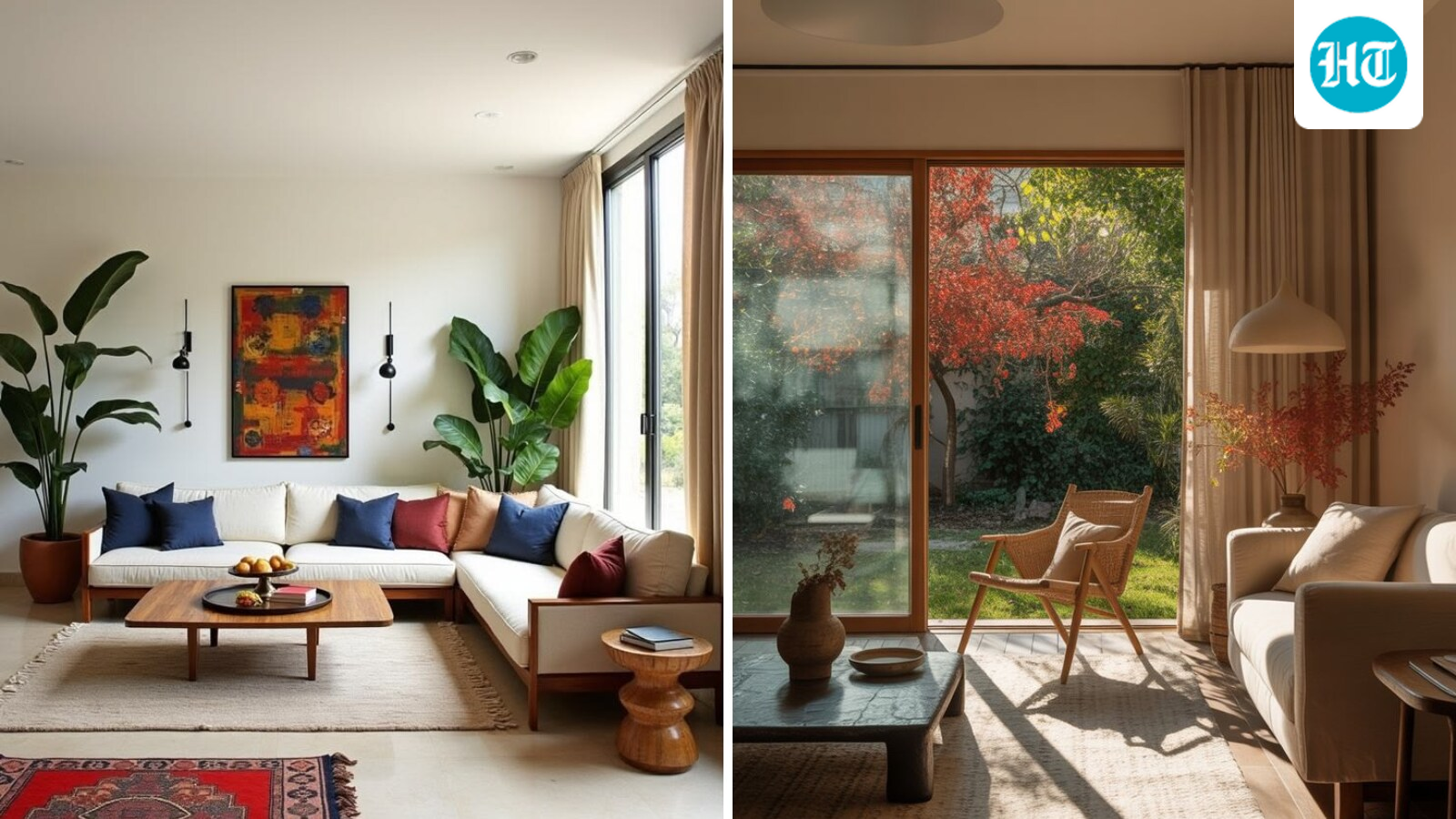
What do we expect when we come home after a hectic day? Peace, right? But what if your home does not quite give you that feeling? If the interiors feel too cluttered, the colours don’t suit you, or the layout makes everyday life harder, your surroundings can start feeling more overwhelming than relaxing. I feel our environment does affect the way we feel. A messy room can leave your mind feeling just as cluttered, while a clean, thoughtfully designed space can bring a sense of calm. And making a house feel like home does not mean filling every corner with furniture or decor. Sometimes, a few personalised touches that reflect who you are and make everyday life easier can do much more.
According to Priyanka Sinha, Founder of The Opulence Interior Design Studio, designing a home should go beyond following the latest trends. The focus should be on creating spaces that feel comfortable, functional and connected to the people living in them.
Start by adding colours
The paint colours you choose for your home decor have a significant impact on the overall atmosphere of your space. Rather than following fleeting social media trends, select shades that truly resonate with your personal style. If you want your home to feel like a peaceful sanctuary, opt for neutral tones. According to Sinha, softer shades such as beige, brown, green and white can create a sense of harmony and balance in a home. For example, a cool beige can make a room appear more spacious while maintaining an understated elegance. Ultimately, choosing a colour simply because it’s trending may not make your home feel uniquely yours.
Get closer to nature
Love the greenery and want to experience that indoors? Natural elements can also make a home feel more comfortable and grounded. Wooden furniture, stone, natural textiles, varied textures, and indoor plants can add warmth while creating a stronger visual connection with nature. For people living in busy cities, greenery can be particularly useful in making an indoor space feel fresher. You do not necessarily need to turn your home into an indoor garden. A few well-placed plants, wooden elements or natural-textured furnishings can introduce these details without overwhelming the room.
Add a lighting element too
The type of light you use can influence how a room looks. Natural light, on the other hand, helps make your room feel spacious and airy, while artificial light adds warmth. You can add ceiling fixtures for general illumination, while pendant lights, table lamps, floor lamps, and accent lights are better for specific areas.
Storage organisers do play their role
As mentioned earlier, a clutter-free room can feel easier to manage and more comfortable to live in. That is why proper storage organisers are needed. Thoughtful storage units can make frequently used items easy to reach while keeping the space clean. Built-in units, storage furniture, and a well-planned layout can make it easier to maintain an orderly home without compromising its appearance.
Comfort should come before appearance
A beautiful home also needs to be comfortable to use. A sofa may look striking, but if it is uncomfortable to sit on, it is unlikely to improve everyday living. Similarly, a stylish bed needs to provide a restful place to sleep, while a dining table should suit how a family actually uses it. This is why functionality should be considered alongside aesthetics when choosing furniture. The goal is not to sacrifice style for practicality. Instead, the two can work together. Furniture, lighting and layouts should look good while also supporting the activities that take place in the room.
Create zones for different moods and activities
Homes often need to support several activities throughout the day. The same space may be used for working, reading, relaxing, eating, entertaining guests, or spending time with family. Creating small zones can help a home adapt to these changing needs. A reading corner can offer a quieter place to unwind, while a dedicated work area can help separate work from relaxation. An open area can still remain available for family gatherings and conversations. This does not necessarily require a large home.
A home should work for the people living in it
The idea of well-being in interior design does not necessarily mean filling a home with expensive furniture or following a particular aesthetic. It can be as simple as choosing colours you enjoy, allowing more natural light into the room, bringing in elements of nature, reducing clutter, and making sure furniture is comfortable. Most importantly, a home should be like the people who live in it.
As Priyanka Sinha’s input suggests, good interior design is not only about how a space looks in photographs. It is also about how comfortably it works in everyday life. When colour, lighting, storage, comfort and personalisation come together, the result can be a home that feels more welcoming and easier to live in.
A home that feels good to live in does not need to follow every interior trend or be filled with expensive decor. The key is to create a space that reflects your personality while making everyday life more comfortable and functional. From choosing calming colours and bringing in natural elements to improving lighting, reducing clutter and creating purposeful zones, small design decisions can make a meaningful difference.
Disclaimer: At Hindustan Times, we help you stay up-to-date with the latest trends and products. Hindustan Times has an affiliate partnership, so we may get a part of the revenue when you make a purchase. We shall not be liable for any claim under applicable laws, including but not limited to the Consumer Protection Act, 2019, with respect to the products. The products listed in this article are in no particular order of priority.
