



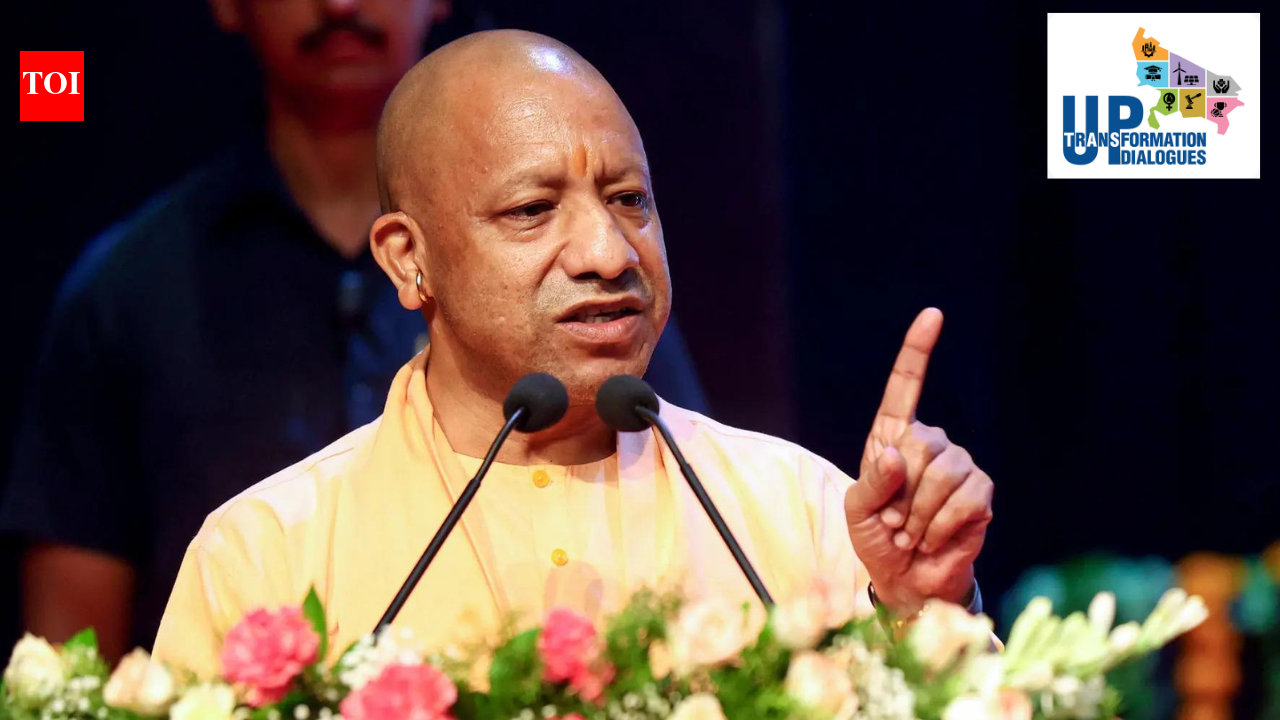
The Pradhan Mantri Schools for Rising India (PM SHRI) scheme has emerged as a flagship initiative in Uttar Pradesh to modernise government schools and align them with the goals of the National Education Policy (NEP) 2020. Under the visionary leadership of Chief Minister Yogi Adityanath, the scheme is seen as a key vehicle to realise Prime Minister Narendra Modi’s dream of positioning India as a global leader in education once again. CM Yogi has emphasised that PM SHRI schools will provide world-class, holistic education to the state’s five crore students, moving away from rote learning towards skill-based, experiential, and future-ready learning.By rapidly implementing NEP 2020 recommendations, the Uttar Pradesh government aims to transform these schools into integrated campuses that nurture well-rounded individuals capable of contributing to a “New India.”These PM SHRI schools are being transformed into model institutions with modern infrastructure. They feature smart classrooms, ICT and computer labs, science laboratories, digital libraries, upgraded sports facilities, child-friendly learning spaces, and improved sanitation and drinking water systems.In addition, many schools are adopting environmentally sustainable practices, including solar panels, rainwater harvesting, nutrition gardens, and effective waste management systems, making them true green schools. The scheme is playing a pivotal role in implementing NEP 2020 by promoting competency-based learning, experiential education, vocational training, multilingualism, and holistic student development. Technology-enabled learning is a key focus, with digital teaching tools, interactive smart boards, internet connectivity, and ICT-enabled classrooms enhancing the quality of instruction.Teachers are also receiving continuous professional development training in modern pedagogical practices, competency-based assessment, and digital learning methods to improve overall learning outcomes.Beyond their own development, PM SHRI schools are expected to serve as mentors to neighbouring government schools by sharing best practices and innovations in teaching and management. Overall, the scheme has significantly strengthened Uttar Pradesh’s school education ecosystem by creating high-quality, student-centric model institutions equipped with better infrastructure, skilled teachers, and contemporary learning approaches. This positions the state as a leader in realising the vision of the National Education Policy 2020.Features of the scheme1. Eligibility criteriaOnly existing government schools (Elementary: Classes 1-5/1-8 or Secondary/Senior Secondary: Classes 6-10/6-12/1-10/1-12) managed by Central/State/UT Governments or local bodies having a valid UDISE+ code are eligible. Schools are shortlisted based on parameters like infrastructure, student enrolment (minimum 50 students), teacher strength, and performance. In the final challenge stage, schools must achieve a minimum score of 70% (urban) or 60% (rural)2. How to applyThere is no direct application for individual students — admission in PM SHRI schools follows the regular state government school admission process. For schools, selection happens through a three-stage Challenge Method. Shortlisted schools self-apply online on the official PM SHRI portal (pmshrischools. education. gov. in) during the open windows (quarterly in the initial years). The State Education Department (in Uttar Pradesh, through Samagra Shiksha) coordinates the overall process.Achievement of the schemeAs the state with the largest network of such schools in the country, Uttar Pradesh initially selected 928 schools in the first phase, a number that has now grown to 1,713 across the state.


