



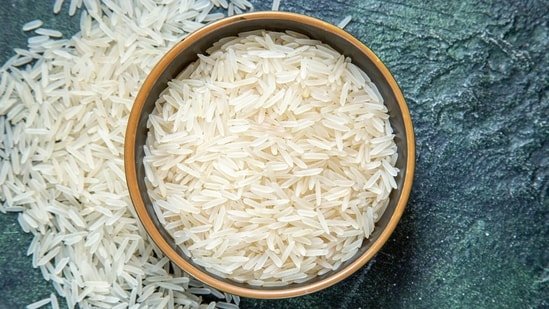
In a public health advisory shared on Instagram, UK-based nutritionist Zib Atkins issued a stark warning about global rice consumption, specifically targeting the production geography and the varieties consumers choose. He titled his March 18 post ‘The best rice for health‘ and highlighted a growing concern over heavy metal contamination in staple grains. Also read | Is fermented rice good for heart health? Experts explain why it may work well for your health
The arsenic risk in rice
Zib identified arsenic as the primary concern for rice eaters. Unlike many other crops, rice is grown in flooded conditions, which makes it particularly effective at absorbing arsenic from the soil, he explained. “The problem here is that arsenic, that toxic heavy metal, builds up in our soil. Rice absorbs that arsenic, and depending on where the rice is grown, that can be at much higher levels,” Zib said, adding, “This is a problem because arsenic is toxic. It’s a known carcinogen and neurotoxin, meaning it damages the brain too.”
Why should you avoid US rice?
One key point in the nutritionist’s advice is the complete avoidance of rice grown in the United States (US). According to Zib, historical pesticide use in US soil has left a legacy of high arsenic levels. “You definitely want to avoid anything that’s grown in the USA,” he warned, noting that ‘most research shows that it has a far higher level of arsenic’.
Instead of US-grown varieties, Zib suggested moving toward specific long-grain aromatic rice types:
⦿ Basmati rice: often sourced from the Himalayan foothills (India/Pakistan).
⦿ Jasmine rice: typically sourced from Thailand.
“If you can go one step further, go for the organic basmati too as then you’re not exposing yourself to all the pesticides that normal rice is sprayed with,” he added.
The brown rice paradox
While brown rice is often touted for its nutritional density, Zib argued that its health benefits may be outweighed by its toxicity. Because arsenic concentrates in the outer layers of the grain, the very part that makes it ‘whole’ is the part that carries the most risk. Zib shared, “This is one of the reasons why I wouldn’t choose brown rice like this stuff here. Yes, it has more fibre, but unfortunately, the bran, the fibre, is where a lot of arsenic gets concentrated.”
Preparation of rice as a safety measure
For those who continue to eat rice, Zib maintained that the cooking technique is the final line of defence. He spoke about a pasta-style cooking method over the traditional absorption method to flush out contaminants.
⦿ Soak and rinse: soak the rice before cooking and rinse it thoroughly under running water to remove surface contaminants.
⦿ The 6-to-1 ratio: cook rice in a ‘6-to-10-to-1 water-to-rice ratio’ rather than just enough to be absorbed.
⦿ Drain and serve: drain the excess water after the rice is cooked. He noted this has been shown to ‘reduce inorganic arsenic levels significantly’.
Zib concluded his advice by urging a broader perspective on nutrition, stating, “Variety matters. Rotate your carbohydrate sources: potatoes, quinoa, buckwheat, oats. Diversifying reduces the risk of a single contaminant building up over time.”
Note to readers: This report is based on user-generated content from social media. HT.com has not independently verified the claims and does not endorse them.
This article is for informational purposes only and not a substitute for professional medical advice.


