



New Delhi: The University Grants Commission (UGC) has tightened its scrutiny of online higher education, warning that EdTech companies offering degree and diploma programmes through franchise-style partnerships with universities are operating outside the regulatory framework, even if the partner institution itself is recognised by the Commission.
In a fresh advisory, the UGC said it has noticed several EdTech platforms advertising Open and Distance Learning (ODL) and online degree programmes through newspapers, television and social media in association with UGC-recognised universities. The regulator clarified that such franchise arrangements are not permitted, and any degree awarded through them does not carry UGC recognition, irrespective of the university’s own status.
The Commission said it will initiate action against defaulting EdTech companies as well as higher education institutions found violating the regulations under applicable laws, rules and norms.
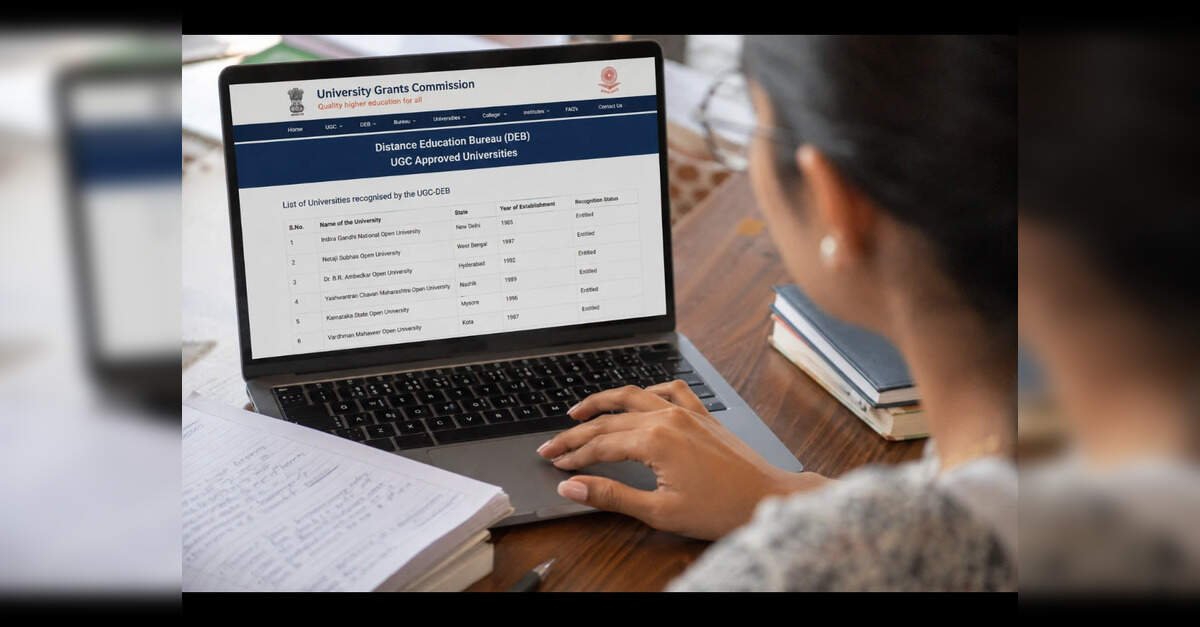
The warning highlights a growing concern in India’s expanding online education market, where the branding of recognised universities is increasingly being used to market programmes through third-party platforms. UGC clarified that recognition granted to a university does not automatically extend to programmes offered through franchise arrangements, and advised students to verify the recognition and entitlement status of every online and ODL programme through the UGC’s Distance Education Bureau (DEB) portal before taking admission.
The regulatory warning comes alongside the Commission’s latest update on fake universities. According to the UGC, 32 institutions have been identified as fake universities in the country, as per the list published in February 2026.
The Commission said institutions are added to the fake university list only after complaints are received, notices are issued seeking explanations, and the responses are found unsatisfactory. The state-wise list is available on the UGC website.
To curb the proliferation of fake universities and unauthorised institutions, the UGC said its Anti-Mal-Practice Cell (AMPC), established in 1996, continues to monitor institutions offering degree programmes in violation of the UGC Act, 1956.
Besides issuing show-cause and warning notices, the regulator periodically updates the list of fake universities, issues public advisories through its website and social media platforms, and has requested state governments and Union Territories to initiate action against such institutions, including registration of FIRs wherever necessary.
The Commission has once again urged students and parents to verify the credentials of higher education institutions and the recognition status of online and distance learning programmes before seeking admission.


