



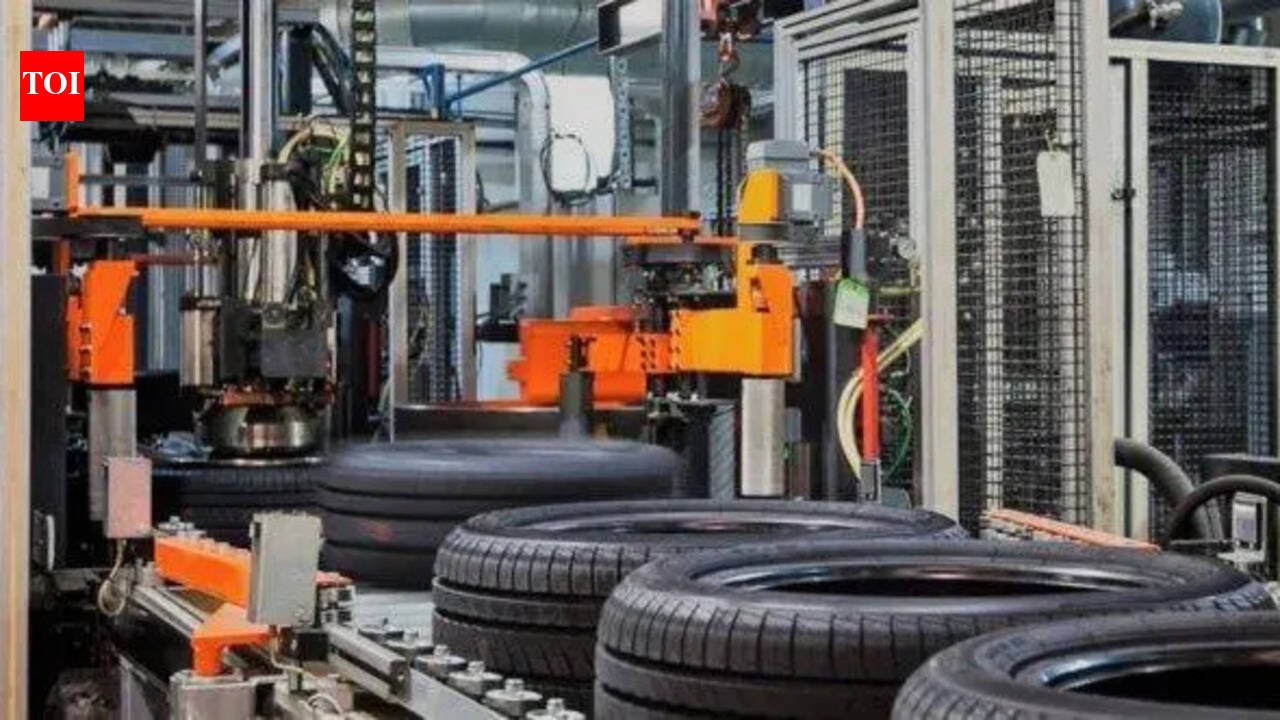
Ludhiana: In addition to several industries, the Indian tyre industry is facing challenging times due to a restricted crude oil supply chain and global price volatility, exacerbated by the ongoing West Asia conflict. The industry is concerned about serious implications for its supply chain, as India exports tyres worth approximately $250–260 million annually to West Asia. Furthermore, disruptions in critical maritime routes like the Strait of Hormuz and the Suez Canal are impacting exports to Europe, the United States, and Africa, resulting in longer transit times and higher freight costs. The impact is particularly pronounced because 60%–70% of total raw material costs in tyre production are derived from crude oil, including derivatives such as carbon black, synthetic rubber, processing oils, and tyre cord fabrics.The Automotive Tyre Manufacturers Association (ATMA) has submitted a representation to the govt, stating that escalating geopolitical tensions are expected to significantly disrupt exports, increase material costs, and create logistical challenges. These disruptions adversely affect a supply chain dependent on imports of critical inputs like natural rubber, chemicals, and nylon tyre cord fabric. ATMA chairman Arun Mammen noted that the combined impact of rising costs and export uncertainties could affect international competitiveness. Seeking government intervention, he requested measures including the reinstatement of earlier RoDTEP rates, enhancement of duty drawback rates, and addressing the inverted duty structure between tyres and natural rubber. The association also urged the removal of restrictive import conditions on natural rubber and a reduction of duties on other key materials not manufactured domestically.Saravjit Singh Minhas, export committee co-convenor at CICU and former president of FIEO (Northern Region), who exports to Africa, stated that limited crude availability has caused the cost of all key ingredients to rise sharply. He highlighted that the price of carbon black has doubled from ₹80 to ₹160, with similar hikes seen in natural and synthetic rubber. Consequently, the cost of tyres is expected to rise soon as raw material prices and production costs continue to increase. This economic strain threatens the industry’s export momentum, leading to urgent calls for timely policy support to navigate the current global volatility. With inputs becoming increasingly expensive and shipping routes remaining unstable, the sector remains in a state of high alert as it awaits a formal response from central authorities.


