






The Trump administration will confront Australia over its plan to force digital platforms to take down harmful content and let users opt out of algorithm-generated “for you” feeds.
Big tech companies would be fined over $100m for breaching the proposed laws and the Australian government is under pressure to raise those fines even further.
A White House spokesperson, Kush Desai, said the US administration would raise its concerns with “trading partners,” in a statement released less than 24 hours after Australia’s announcement on Tuesday.
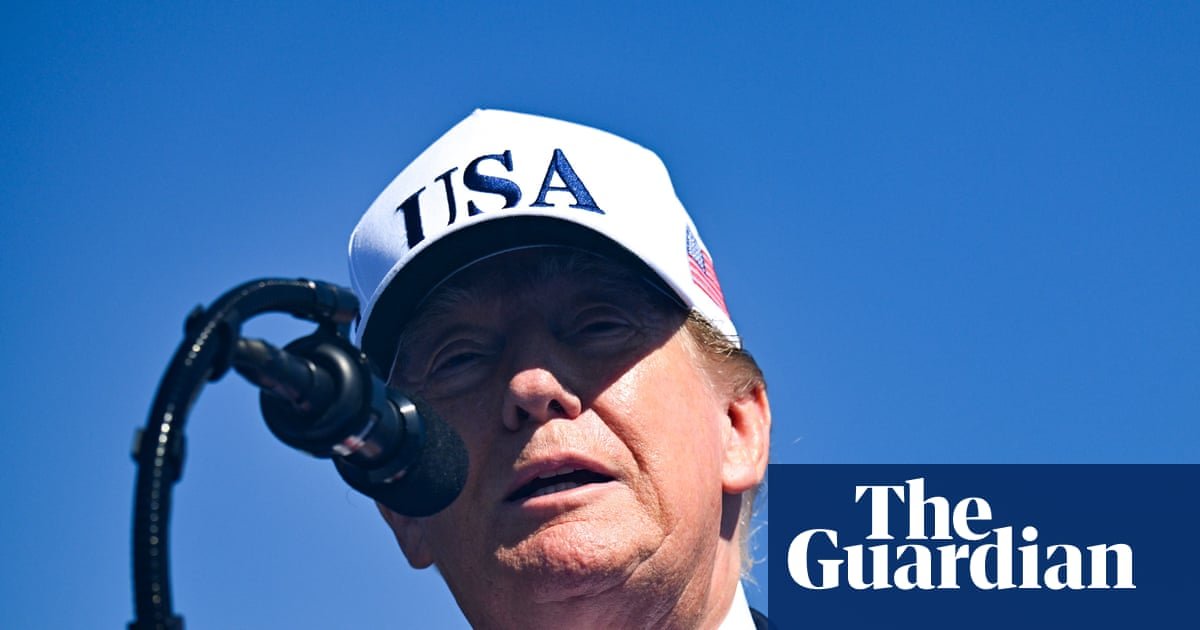
“President Trump has unequivocally warned trading partners against imposing digital services taxes, fines, and other forms of extortion on America’s leading technology sector,” Desai said.
The communications minister, Anika Wells, downplayed the statement as “broad” and told News24 she had not directly received any such warning from a US representative.
“We’re a sovereign nation,” Wells said. “We have the right to defend Australian parents and kids and we’ll do that.”
If passed, the digital duty of care laws would require platforms to protect children from harmful content around eating disorders, misogyny, pornography, glorifying crime, abuse and cyberbullying. Adults and children will need to be protected from illegal material.
They would also require platforms to send users a notification or “pop-up”, giving them a choice between a main feed that shows personalised content from across the platform or one that shows only content shared by their online connections.
The Greens party has demanded the government make the latter option the default setting and force platforms to let users opt in to having personalised feeds.
The Greens senator Sarah Hanson-Young repeated calls for higher fines to be pegged to companies’ global revenue, speaking to ABC radio on Wednesday.
“Big tech is going to spend a lot of money fighting these laws in the first place and finding every which way to get around them,” Hanson-Young said.
“You need to hit them really where it hurts, and that’s their revenue.”
Big tech companies Meta, Google and TikTok have not publicly commented, though their representative lobby group, Digi, has said the law’s definitions of harmful content and impact on user experience would be crucial.
OpenAI, owner of ChatGPT, said it planned to engage with the government on its laws to ensure they were “protecting Australians while enabling them to benefit from AI”.
after newsletter promotion
Australian businesses have warned the rules could hurt their own revenue, Australians that opt out of algorithms may stop seeing advertisements and buying from companies that sell via online platforms.
The Council of Small Business Organisations Australia has asked the government to model the costs to small businesses and their visibility in feeds.
The Labor government is also facing backlash from local conservatives, with the Coalition accusing Labor of using the bill to censor free speech.
The proposal would give the communications minister the power to set new definitions for harmful content that would have to be taken down.
The Nationals leader, Matt Canavan, said this could extend to political speech that opposed the government.
“I don’t trust big tech, but I trust the Labor Party a lot less,” Canavan said.
The prime minister, Anthony Albanese, said Canavan’s comments were “disingenuous” as the Senate would be able to reject the minister’s definitions.
Wells has repeatedly committed to leaving political content and misinformation outside the scope of the laws.
“Your right to be wrong on the internet, remains preserved in the digital duty of care,” Wells said. “If you want to believe that the moon landing was fake, it is in no way impacted by the digital duty of care.”


