



For years, many people assumed Trishala Dutt grew up with privilege, glamour and the comfort of being born into one of Bollywood’s most famous families. But behind the public image, her childhood looked very different. Speaking on the YouTube channel Inside Thoughts Out Loud, Trishala opened up about growing up in New York while battling racism, bullying, loneliness and the devastating loss of her mother, actress Richa Sharma, who died of a brain tumour when Trishala was just eight years old.The daughter of actor Sanjay Dutt said that despite coming from a famous family, she often felt emotionally isolated as a child. “You just have yourself to rely on,” she said while talking about bullying during her school years. “For me, I was an only child at the time and I had nobody to lean on except for myself. And a journal.”
Bullied for looking “different”
Trishala revealed that the bullying began when she was only five or six years old. She said she was mocked for being Indian, for her appearance, and later for gaining weight.“The bullying started when I was about five or six and it was me being Indian… me having my eyebrows connected, me having frizzy hair, hair on my face,” she recalled. As she grew older, the scrutiny intensified. By high school, classmates had discovered she was Sanjay Dutt’s daughter, bringing a new layer of expectations and judgment.“I just didn’t fit and I just didn’t look the part of Sanjay’s daughter,” she said candidly. “I wasn’t what society expected.” The emotional impact stayed with her for years. Trishala admitted she turned to food for comfort while coping with her mother’s illness and the loneliness surrounding her childhood.
“What I relied on was just food actually, because food filled the void and food filled the comfort,” she said. “I wish I had somebody to talk to”. One of the most striking parts of the conversation came when Trishala spoke about not having an emotional support system while growing up. Asked whether there was anyone she could confide in, she simply replied, “No. It was just me.” That loneliness eventually pushed her toward journaling, something she began doing at 13 and still continues today.The conversation also touched on how many children silently internalise bullying, especially in cultures where vulnerability is often mistaken for weakness. Trishala’s story became less about celebrity life and more about what happens when children feel emotionally unseen.
The sentence that changed her life
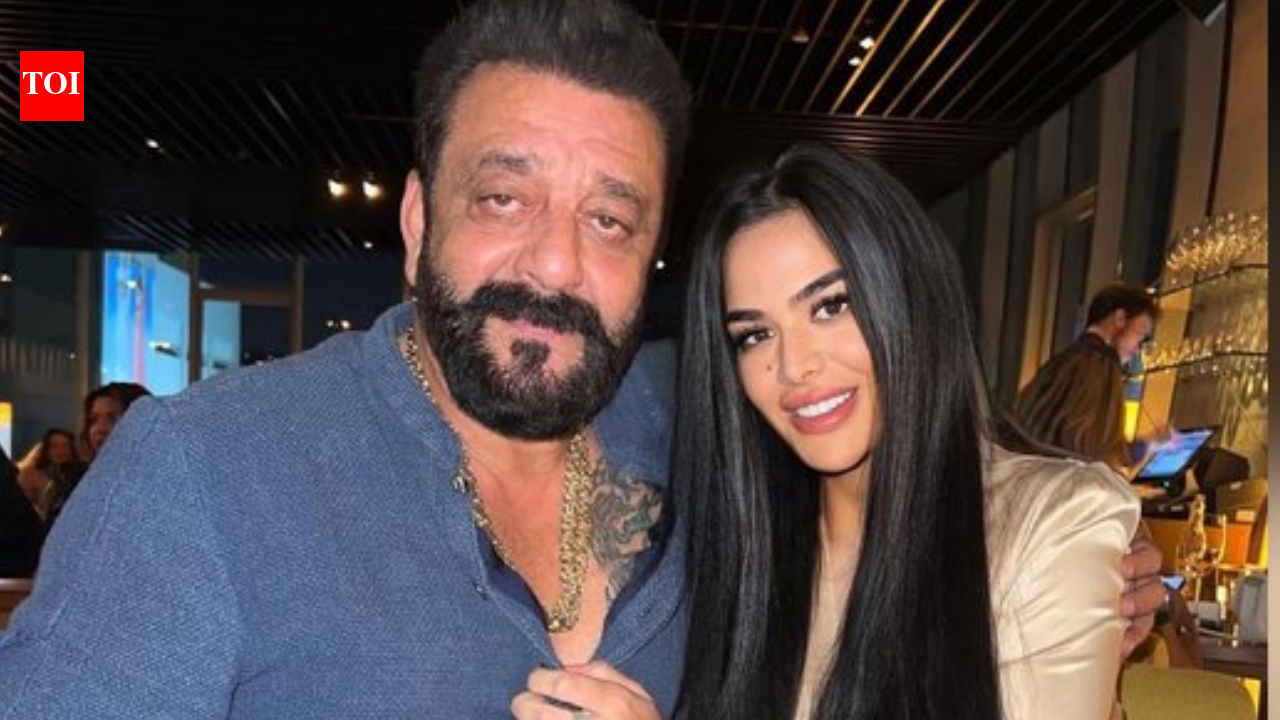
Here’s a adorable photo of Sanjay Dutt with wife Maanayata Dutt and lovely daughter Trishala. (Photo: Instagram)
Years later, one conversation with her aunt became a turning point. “My maasi actually told me… ‘Trishala, nobody’s going to come and save you. You’re going to have to save yourself,’” she recalled.She described it as a “light switch” moment that changed how she saw herself and her future. Trishala went back to school, studied psychology, and eventually became a therapist specialising in anxiety and depression. Today, she says her painful experiences helped her understand why people bully others in the first place. “When people pick on you… it’s because they are lacking something from within,” she said. “If I pick on you, you become smaller and I become bigger.”
Why she believes parents matter so much
Although the interview focused heavily on her own struggles, some of its strongest moments carried an unmistakable parenting lesson. Speaking about children dealing with bullying, Trishala stressed how important supportive parents can be during vulnerable years.
Sanjay Dutt with daughter Trishala
“If you have supportive parents, I think that’s a great thing,” she said. Later in the discussion, she also urged parents to limit children’s exposure to social media, warning that young minds absorb criticism deeply. “When you are young, your brain is like a sponge,” she said. “Anything you read, especially if it’s about you, you’re going to internalize that and it’s going to stick with you forever.” The conversation repeatedly returned to one idea: children notice far more than adults realise. The words spoken at home, the way parents talk about themselves, and the emotional safety children feel inside their own family can shape confidence for years.Trishala’s story is ultimately not just about celebrity pressure or public scrutiny. It is also a reminder that children do not always need parents to “fix” every problem, but they do need someone who listens, reassures, and makes them feel less alone while facing it.


