






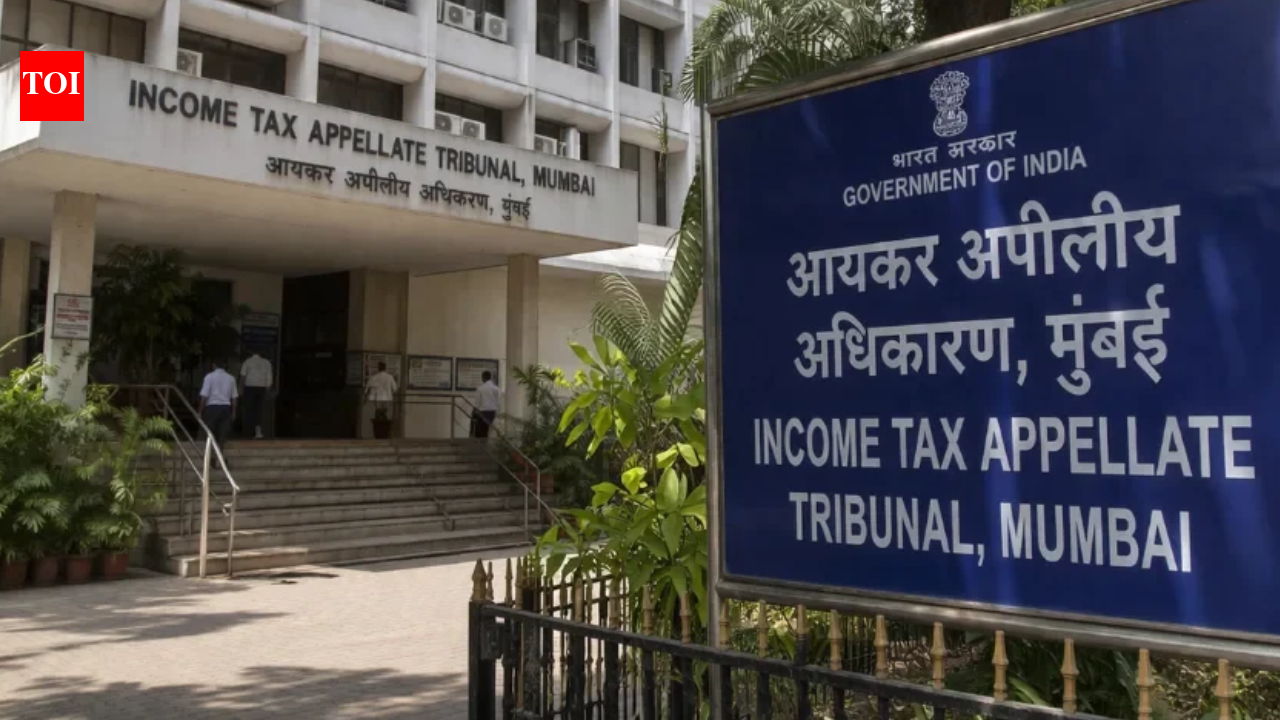
MUMBAI: The Mumbai bench of Income Tax Appellate Tribunal (ITAT) has ruled that taxpayers cannot be penalised simply because they filed their income tax return after receiving a notice under Section 148 to reopen their case. If the income-tax (I-T) officer accepts the income declared without adding any undisclosed income, a penalty cannot be automatically imposed.According to tax experts, this order could help curb the mechanical levy of income tax penalties in reassessment cases or give taxpayers who have found themselves on the receiving end of such penalties a stronger footing in litigation.In this case, ITAT deleted a penalty of nearly Rs. 4 lakh imposed under Section 270A, emphasising the provision must be read as a whole and a failure to file an I-T return within the prescribed time is distinct from actual under-reporting of income. Section 270A provides for a penalty where income has been under-reported or misreported.The taxpayer, a ship captain, had not filed his I-T return within the time prescribed under Section 139(1). Subsequently, the I-T department initiated reassessment proceedings on getting information about his purchase of immovable property worth Rs 1.4 crore, salary receipts and interest income.In response to a notice under Section 148, he filed a return declaring a total income of nearly Rs 31.6 lakh. He furnished supporting documents, including bank statements, a housing loan certificate and details of investments redeemed to fund the purchase. The I-T officer accepted the declared income without making any addition or variation. The salary income had already suffered tax deducted at source (TDS) and was reported by the employer. The property investment was also explained through a housing loan and sale of investments.Despite fully accepting the taxable income as disclosed by the taxpayer, the department treated the assessed income as under-reported and imposed nearly Rs 4 lakh penalty. The first appellate authority upheld the levy.Setting aside the penalty, ITAT held the mere fact that a return was furnished for the first time under Section 148 did not mean that the entire assessed income automatically qualified as under-reported income. The bench noted the income was already reported through the TDS mechanism, the property investment was explained, and no suppressed or unexplained income was found. These circumstances supported the bona fide nature of his explanation. ITAT, in its order, clarified the absence of an outstanding tax demand, by itself, does not rule out a penalty. However, full disclosure of income, deduction of tax at source and acceptance of return without additions were significant factors in favour of the taxpayer.A chartered accountant said, “This order reinforces the need to examine the facts and statutory exclusions before imposing penalties, rather than treating delayed filing or a return under Section 148 as sufficient grounds for a levy. It could help curb mechanical penalties in reassessment proceedings, while leaving intact the department’s power to penalise genuine under-reporting where the law permits it.”


