






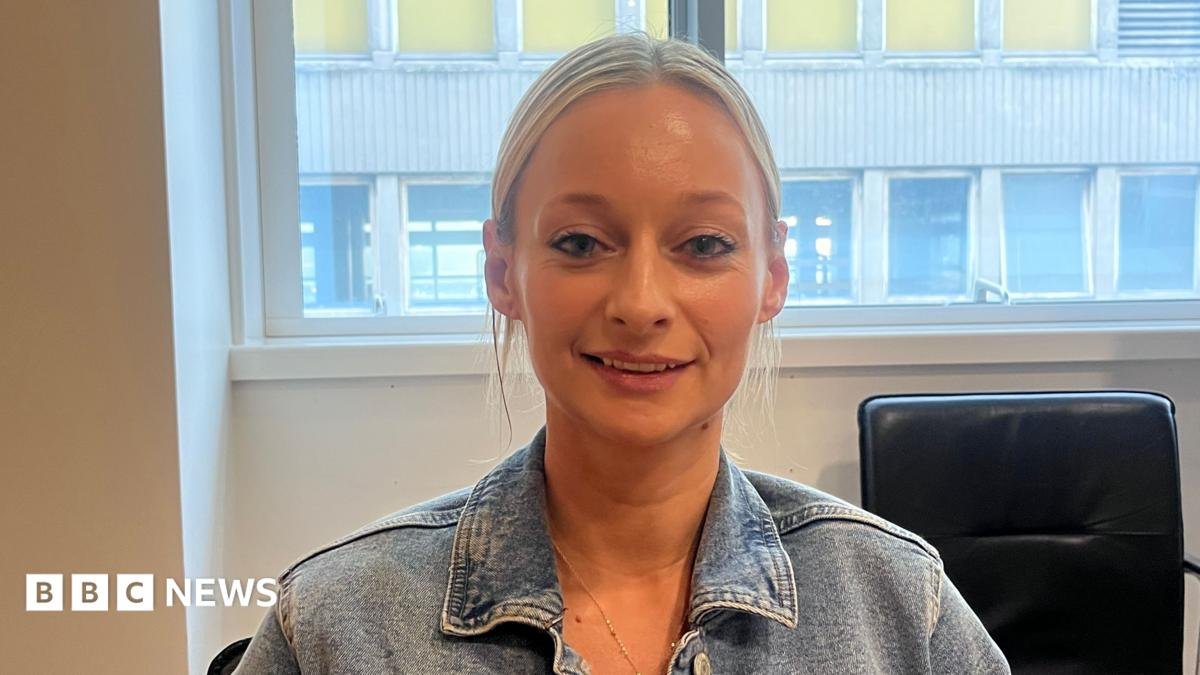
Dr Patricia Gordon, stroke consultant at Belfast Health Trust, said about 10% of patients who have a stroke have a large clot that can be removed through a thrombectomy.
She said the procedure increases a patient’s chances of making a good recovery by more than 50% and reduces the risk of death by almost 20%.
“Whenever you have a stroke that requires a thrombectomy – that was one of the major and main arteries being blocked in the brain.
“Those are the most severe type of strokes that you have.
“Untreated, there’s a risk of death from those types of strokes.”
She said that if patients survive they can be left with “significant disability” depending on where the blockage is – but “it could be weakness down one side, loss of speech or sometimes loss of function altogether then as well”.
The consultant said the impact of having a thrombectomy is “quite significant”.
“You’re going from a very dependent state to a nearly independent state again by more than 50% if you can get the clot out in good time,” she said.
The service will build capacity towards 300 thrombectomy procedures annually, about double what it has been doing during reduced hours.


