



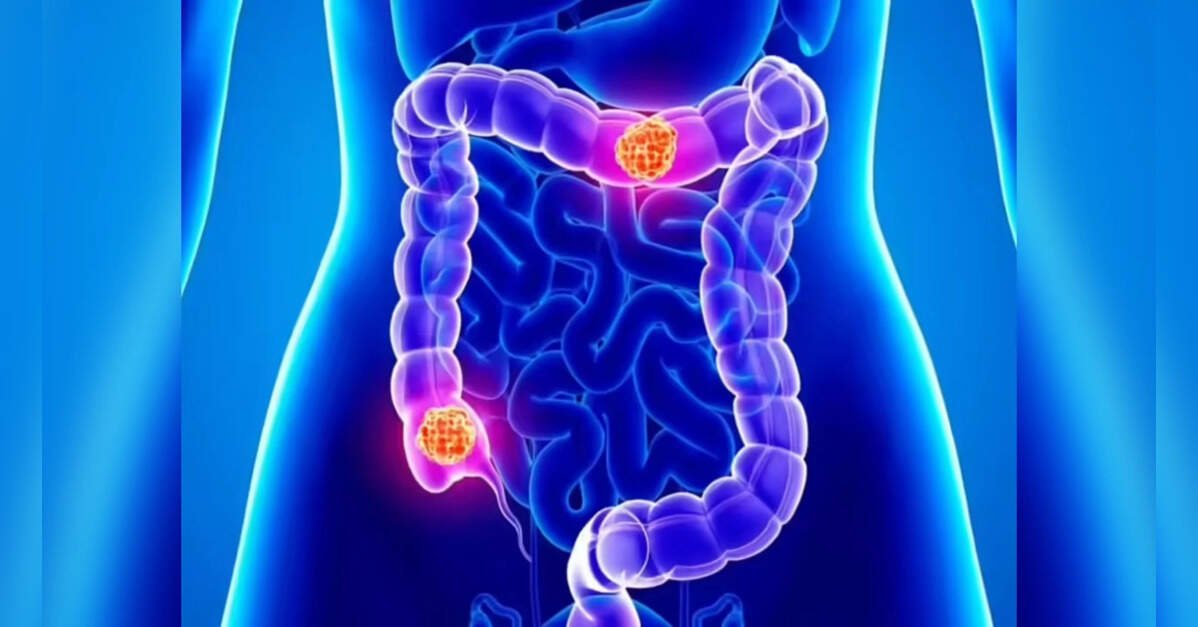
Researchers say prolonged sitting is emerging as its own independent risk factor for colorectal cancer, separate from lack of exercise, with new data showing the risk climbs the longer people stay in their chairs, at work and at home.
What the data shows
A study found that people who logged the most total sitting time faced a 24% higher risk of developing colon cancer compared to people who sat the least. The researchers studied 91,292 UK Biobank participants and found that “each additional hour per day of prolonged sedentary behavior was associated with a 10% higher hazard of cancer death, whereas each additional hour of interrupted sedentary behavior was associated with a 19% lower hazard of cancer death.”Another study linked heavy TV viewing to a 54% jump in colon cancer risk, while high occupational sitting time and total daily sitting time were each linked to a 24% increase.
And it’s not just an all-or-nothing effect. One dose-response analysis found that every additional two hours of sitting per day, on top of whatever someone already sits, added roughly 3% more risk of colorectal cancer. Occupational sitting specifically was tied to a 24% higher risk of colon cancer, and a smaller but still real 7% bump in rectal cancer risk.
A separate study out of the UK Biobank, tracking more than 430,000 adults over a median of 5.6 years, recorded 2,391 new colorectal cancer cases and found that people getting high amounts of physical activity had a noticeably lower colon cancer risk than people getting very little, even after accounting for other factors.
Why researchers think this is happening
So what’s actually going on inside the body? Researchers studying this have pointed to a specific mechanism: hyperinsulinism, a state where the body produces too much insulin, or insulin resistance, both of which may stimulate the growth of cancer cells in the colon. Sitting for long stretches slows metabolism in ways that can nudge the body toward exactly that state.
This risk shows up independent of whether someone exercises. Researchers behind one review put it plainly, describing sedentary behavior as an independent risk factor for colorectal cancer that isn’t simply canceled out by hitting the gym after work. In other words, someone could exercise regularly and still carry extra risk if they’re sitting for hours on end the rest of the day.
That distinction matters because most public health guidance still centers on exercise minutes. The World Health Organization recommends adults get at least 150 minutes of moderate aerobic activity per week to lower risk of cardiovascular disease, diabetes, and certain cancers. But researchers note only a small percentage of adults actually hit that target, and even those who do may still be sitting for the other sixteen waking hours of their day.
How to lower colon cancer risk
According to Harvard Health, one of the best ways to lower your risk is to stay physically active, eat more fiber-rich foods, keep your weight in a healthy range, avoid smoking, and limit alcohol. Fiber deserves special attention because it helps move waste through the digestive tract and has been linked to a lower risk of colon cancer. Harvard also recommends cutting back on red and processed meats and replacing them more often with fish, beans, tofu, or other plant-based proteins. Whole grains, leafy greens, fruits, and vegetables are smart additions to your plate too.But lifestyle is only part of the picture. Screening is just as important because doctors can often find and remove polyps before they become cancer. That’s one of the rare opportunities in medicine where a screening test can actually help prevent cancer, not just detect it early. If you have a family history of colorectal cancer, inflammatory bowel disease, or other risk factors, you may need to start screening earlier than someone at average risk. Your doctor can help you decide what’s right for you.
And don’t wait for symptoms before thinking about prevention. Many people with early colon cancer feel completely fine. A brisk daily walk, meals built around plants instead of processed foods, and keeping up with recommended screenings may not seem dramatic, but they can make a real difference over time. They also benefit your heart, brain, and overall health, making them well worth sticking with.


