









Need extra funds for your next purchase?
Loan up to ₹5 Lakhs
Starting at 11% p.a.*
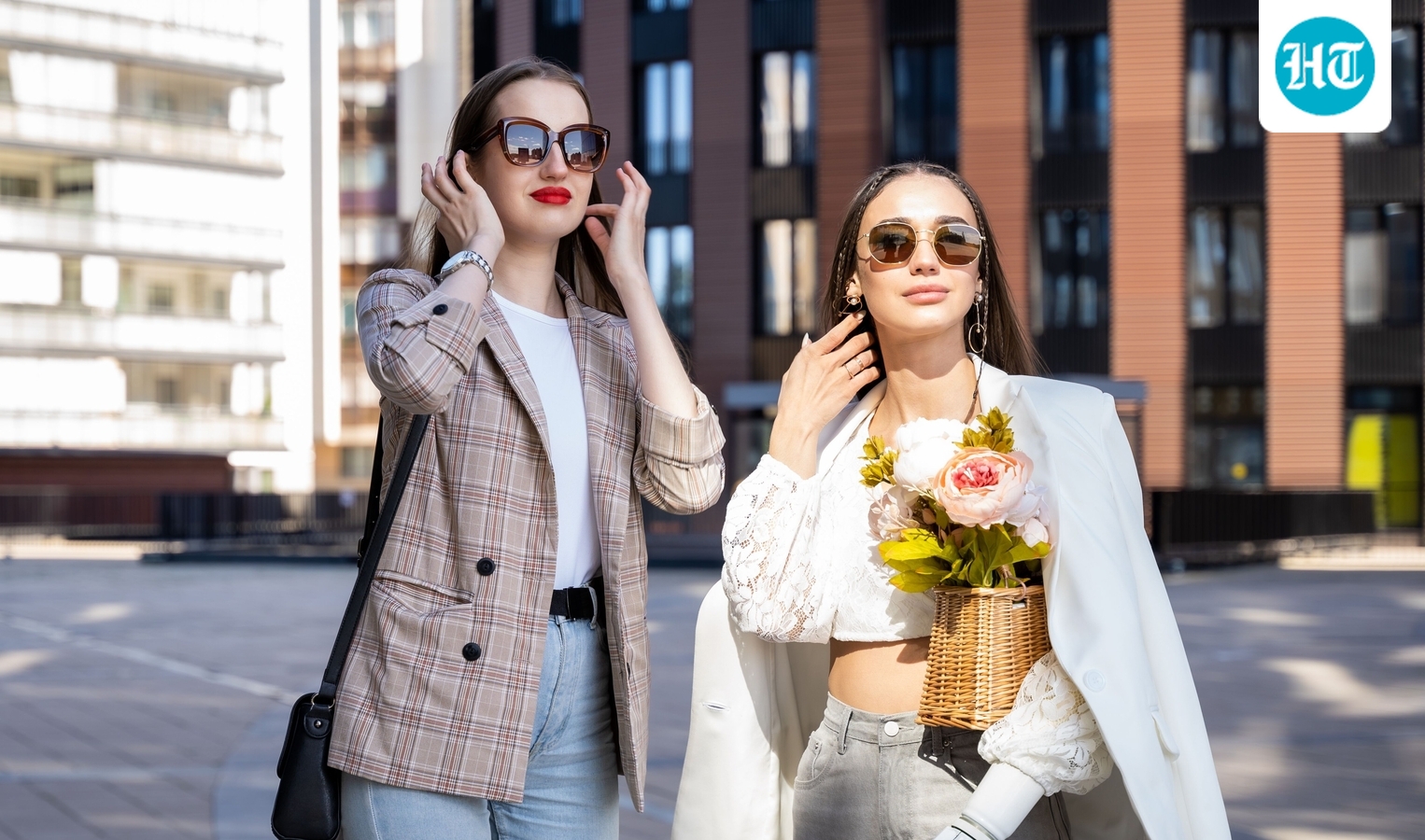
There is a persistent myth in modern fashion that looking wealthy requires head-to-toe designer labels, giant brand logos, and a bank account capable of funding seasonal runway sprees. In reality, the truly affluent, and those who have mastered the understated art of “quiet luxury”, follow an opposite philosophy. They bypass loud, logocentric micro-trends in favour of pristine tailoring, tactile fabric textures, harmonious neutral palettes, and immaculate personal grooming.
The real secret to high-end style is that visual wealth is rarely about cost; it is about intentionality. An inexpensive, off-the-rack outfit can easily outshine a ₹50,000 designer ensemble if the fit is tailored, the colours are curated, and the details are handled with care. Conversely, expensive clothes that fit poorly, feature cheap hardware, or appear wrinkled instantly betray a lack of polish.
After testing these elevated styling principles across high-street collections, fast-fashion staples, and budget wardrobe items, our lifestyle editorial team broke down the definitive roadmap to building an ultra-polished, expensive aesthetic without overspending.
How to dress like the rich, but on a budget:
1. Master Monochromatic and Tonal Dressing
One of the fastest ways to visually double the cost of an outfit is head-to-toe monochromatic or tonal dressing. Wearing a single colour or layering varying shades and saturations of the same hue creates an unbroken vertical line. This optical effect instantly elongates your silhouette while projecting a deliberate, high-end aesthetic.
While head-to-toe black is a timeless go-to, soft warm neutrals deliver an even stronger “old money” impression. Think oatmeals, creams, soft camels, rich navies, olive tones, and slate greys. When fast-fashion brands attempt loud prints or complex multi-colour patterns, manufacturing limitations often show through in misaligned seams or cheap dye work. Solid, neutral tones hide budget price points far more effectively.
How to Execute the Look:
To prevent a monochromatic outfit from looking flat or uniform-like, layer distinct tactile textures within the same colour family. Pair a ribbed cream knit sweater with smooth, fluid ivory wide-leg trousers, or match a matte cotton button-down with a structured linen-blend blazer in the same undertone.
2. Prioritise Precision Tailoring Over Brand Names
If there is a single golden rule that separates effortless elegance from cheap fast fashion, it is the fit of the garment. Mass-market fashion brands manufacture clothes based on average standardised sizing grids. Consequently, off-the-rack garments rarely fit anyone perfectly out of the box; they sag at the shoulders, pull across the chest, or puddle awkwardly over the shoes.
The wealthy do not look polished because their clothes are inherently superior; they look polished because their clothes fit as if they were custom-made for their specific proportions. Spending an extra ₹200 to ₹500 at a local tailor to alter a budget purchase is the highest-return investment you can make in your personal style.
Key Tailoring Alterations to Request:
Trouser Hems: Ensure trousers graze the top of your shoes or sit cleanly at the ankle bone without excess fabric stacking.
Waist Nipper: Take in the waistband of trousers or skirts to eliminate gaping at the back.
Sleeve Adjustments: Shorten jacket or blouse sleeves so your wrist bone is exposed, allowing room to show a flash of a classic watch or bracelet.
3. Audit Your Fabrics for Visual Mass and Structure
Not all affordable fabrics are created equal, and learning to read fabric labels is essential for shopping smart. High-gloss polyester, thin acrylic knits that pill after one wear, and ultra-flimsy jersey knits immediately communicate a low price point. They cling to the body in unflattering ways and lose their shape within hours.
When shopping on a budget, look for natural fibres or high-grade semi-synthetics that offer weight, drape, and structural integrity. Heavyweight cotton, crisp linen, modal, viscose, and thick twill weaves look far more expensive than their actual price tags suggest.
What to Look For When Shopping:
When evaluating a garment in-store or online, look at its opacity and structural hold. A crisp white cotton shirt should feel substantial enough to maintain its collar structure without flopping over, and trousers should fall with enough weight to create a smooth, clean drape down the leg.
4. Upgrade Flimsy Buttons and Bright Hardware
Clothing manufacturers frequently cut production costs on secondary elements like buttons, zippers, and belt buckles. Cheap, lightweight, ultra-shiny yellow-gold hardware is one of the most obvious indicators of mass-produced clothing and accessories.
You can instantly transform a ₹1,500 budget blazer or trench coat into an expensive-looking piece by simply swapping out its original hardware. Replace flimsy, hollow plastic buttons with horn, tortoise-shell, matte wood, or brushed-metal alternatives.
Handbag and Accessory Selection:
When selecting budget handbags and belts, favour clean, unbranded, structured silhouettes with subtle, brushed-gold, silver, or gunmetal hardware. Avoid slouchy, unlined faux-leather bags adorned with shiny gold chains, oversized logos, or excessive decorative zippers.
5. Embrace the Power of the ‘Third Piece’ Rule
A basic outfit, such as a plain white T-shirt paired with straight-leg denim, can often look unfinished on its own. Stylists frequently rely on the “Third Piece Rule” to instantly elevate casual basics into a cohesive, high-fashion look.
The third piece is an additional layer or structured accessory that ties the entire ensemble together. It adds depth, visual interest, and structure, giving the impression that your outfit was thoughtfully put together rather than thrown on in a rush.
Examples of Effortless Third Pieces:
6. Uphold the ‘Polished Minimalism’ Grooming Standard
Dressing like the rich is only half the equation; the remaining half comes down to meticulous personal upkeep. Even the most impeccably tailored outfit will look unrefined if it is paired with wrinkled fabric, scuffed shoes, or untidy hair. The “quiet luxury” aesthetic relies on an aura of clean, healthy, low-maintenance perfection.
Invest in a reliable garment steamer to ensure your clothes are 100% wrinkle-free before stepping out. Keep your footwear immaculate by wiping down leather shoes, repairing worn-down heel caps, and keeping sneaker soles clean. For personal grooming, prioritise healthy, well-hydrated skin, neat and natural nails, and clean, low-maintenance hairstyles such as a sleek low bun, a precise centre part, or a smooth blow-dry.
Similar stories for you:
Balloon Pants: Fashion risk or the coolest trouser trend right now? 8 picks to rock this style
Stop slipping on court: 8 Indoor sports shoes to play your favourite sport in style
₹1,500″>Hosting Ganpati at home? 8 Comfortable 4.7-rated kurta sets under ₹1,500
Disclaimer: At Hindustan Times, we help you stay up-to-date with the latest trends and products. Hindustan Times has an affiliate partnership, so we may get a part of the revenue when you make a purchase. We shall not be liable for any claim under applicable laws, including but not limited to the Consumer Protection Act, 2019, with respect to the products. The products listed in this article are in no particular order of priority.


