



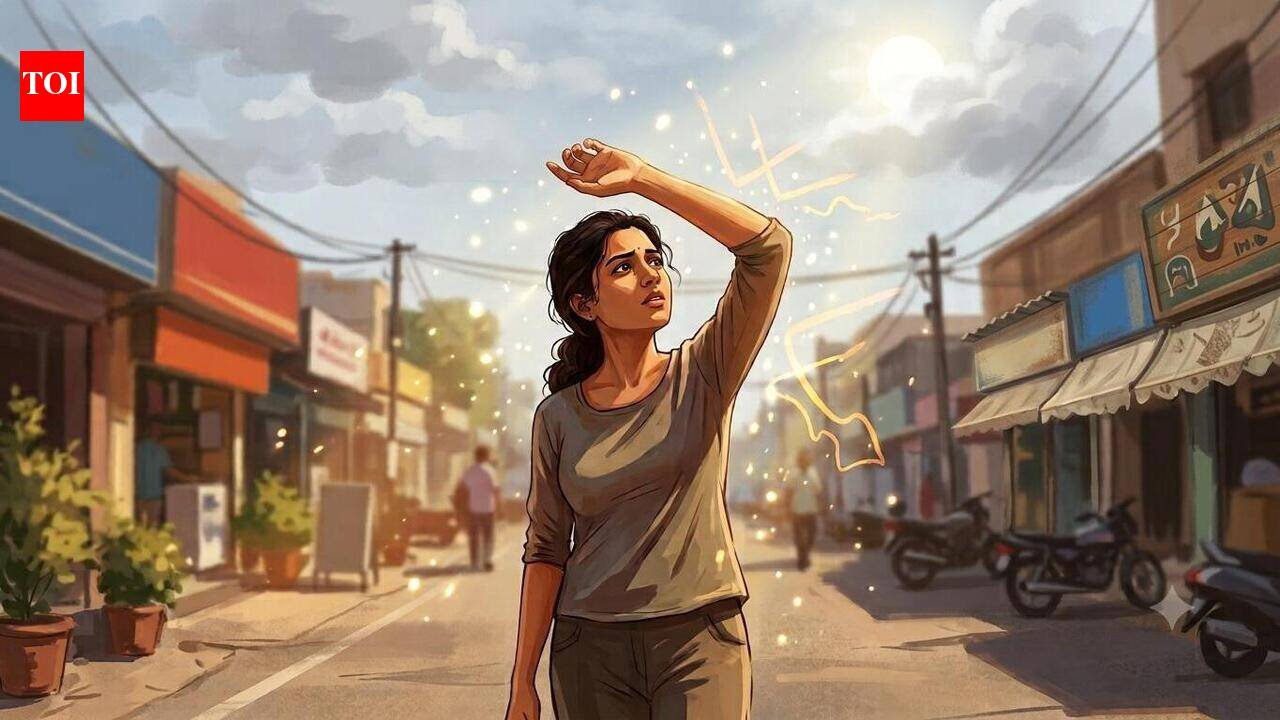
Bengaluru: Sunscreen — or protective gear — should be your year-long companion, regardless of the deceptive cloud cover or changing seasons. Contrary to perception, during monsoon and winter when many people let their guard down and stir out because of seemingly pleasant weather, there are high chances they may develop UV-induced skin allergies due to long and sustained exposure to the Sun.According to Dr Deepashree R, consultant dermatologist, KIMS Hospitals, Mahadevapura, some people like going out in the afternoon to enjoy a little warmth, unlike during the summer when people avoid the sun. “We see UV-induced skin allergies in this season too. Even mild UV exposure for a long time can trigger skin allergies in susceptible individuals,” she said.Hospitals receive 5-10 cases of UV-related skin allergies every week during the monsoon. “The amount of UV radiation that passes through clouds is often underestimated. Around 80% rays can penetrate cloud cover,” said Dr TK Sumathy, senior consultant, department of dermatology, Ramaiah Memorial Hospital.She added, “Patients complain of irritation, itching and redness on sun-exposed areas such as the face, ears, neck and forearms. If this damage continues over weeks or months, they may develop signs of chronic sun damage, including skin atrophy, where the skin starts looking older than it actually is. The skin may become thinner, develop fine wrinkles and show other signs of premature ageing. In the short term, patients mostly come with irritation, redness and, in some cases, blister-like lesions.”Some dermatologists said it’s important to get a safe amount of sunlight every day, even if only for a few minutes. Otherwise, when someone suddenly spends long hours outdoors on a trek or hike, the exposed parts of the skin tan easily and may develop allergies, explained Dr Manjunath Hulmani, president of the Indian Association of Dermatologists, Venereologists and Leprologists, Karnataka.Children aged 10-15 years also develop skin allergies after spending time in playgrounds without sunscreen, he added.Which sunscreen works better?UVA, UVB: For Indian skin, prone to tanning and pigmentationSPF30: For UVB protectionPA+++ rating: For UVA protectionIn addition, wear full-sleeved clothing, broad-brimmed hat instead of cap, and use dark-colour umbrella to cut UV exposure


