






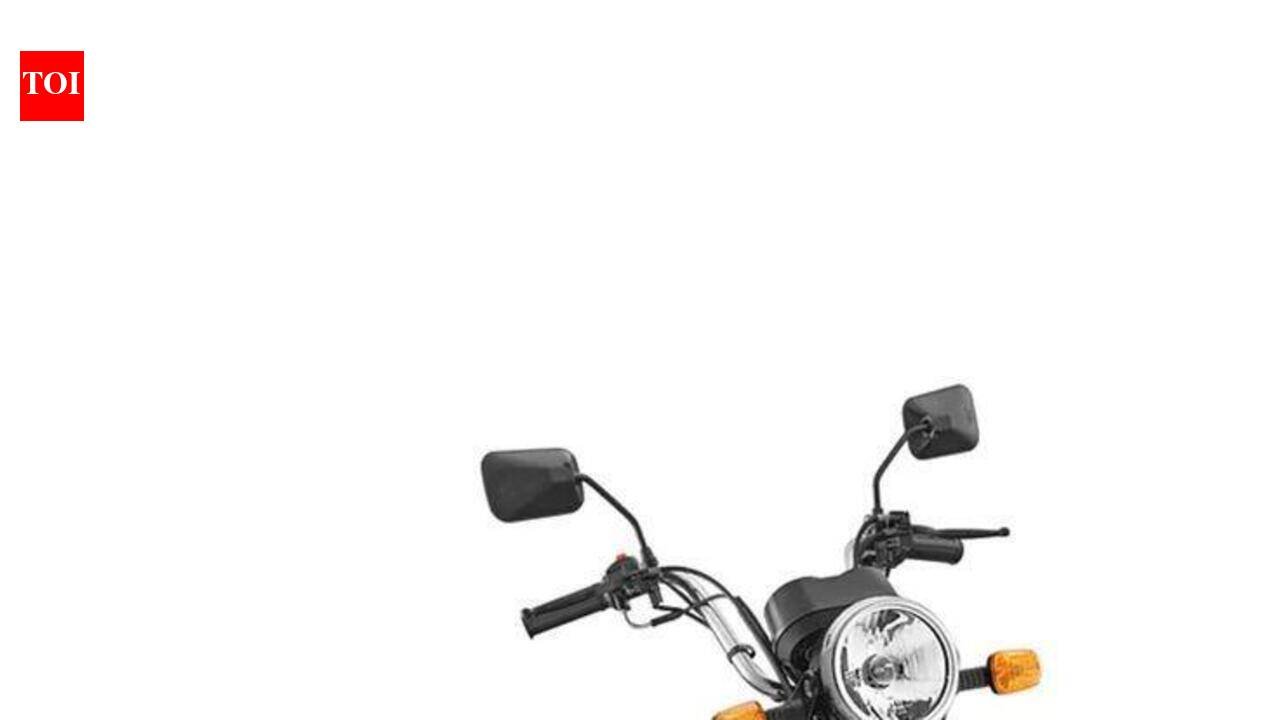
Remember the iconic TVS Moped ad campaigns such as Namma Oru Vandi, Oh! What a Way to Get Carried Away, and Built Extra Tough? Through the 1980s and 1990s, the TVS moped was the quintessential family workhorse. Since its introduction in 1979 under the leadership of Venu Srinivasan, now Chairman Emeritus of TVS Motor Company, it has symbolised dependable and affordable mobility for thousands of lower- and middle-income families.It effortlessly carried three or four family members, transported LPG cylinders, milk cans, sacks of paddy and vegetables, and every conceivable household load. It connected villages with schools, markets, hospitals and workplaces, becoming a crucial enabler of rural commerce long before logistics became a fashionable business term.
CJP Jantar Mantar Protest Updates
Ask N Govardan, a retired business journalist, and the memories come alive. During the 1990s, his TVS moped served as both a professional companion and a family vehicle. On weekdays, he rode his moped across Chennai in pursuit of stories, while on weekends, his wife and young daughter rode pillion on trips to visit relatives. For J Kesavan, a small trader from a village near Kallakurichi, his TVS Champ was indispensable for transporting vegetables and supplies for his grocery shop.Even today, K Suresh, who runs a neighbourhood dry-cleaning shop in a Chennai suburb, swears by his moped. When it was time to replace his ageing vehicle, he did not switch to a trendy automatic scooter. Instead, he sold his old TVS moped and bought a new XL100, convinced no other two-wheeler could match its durability.Similar stories can still be heard across rural Tamil Nadu. Over the past 46 years, TVS Motor has sold around 17 million mopeds. Today, the product survives almost entirely on the strength of TVS Motor Company and a strong customer base concentrated largely in rural South India. Despite its rich legacy, the segment now accounts for barely 2-4% of India’s two-wheeler market, down from about 5% in 2006. After peaking at 8.9 lakh units in FY17 and remaining above 8.5 lakh units through FY19, volumes moderated in the following years and stood at 5.2 lakh units in FY26. In this June quarter, moped sales stood at 1.43 lakh units, a year-on-year increase of 27%.The moped’s fortunes have closely mirrored the changing dynamics of India’s entry-level two-wheeler market. As successive upgrades driven by tighter emission norms and other regulatory requirements made mopeds more sophisticated, they also brought them closer to entry-level motorcycles, eroding the affordability that once attracted first-time buyers. Meanwhile, younger consumers have gravitated towards feature-packed motorcycles, scooters and, increasingly, electric two-wheelers, leaving the moped to rely on buyers who value function over fashion.The moped is now powered by a 100cc engine, placing it just below entry-level 110cc motorcycles and scooters. It comes equipped with alloy wheels, colourful seats, LED headlamps, mobile charging ports and refreshed styling, while retaining its core strengths – high fuel efficiency, silent-start technology and strong load-carrying capability.According to a TVS dealer in Chennai, the XL100, available in four variants and priced between ₹76,000 and ₹80,000 (on-road), continues to attract small traders, grocery shop owners and other buyers who prioritise utility over other features.As Sudarshan Venu, son of Venu Srinivasan and MD of the company, pursues an ambitious strategy to transform TVS Motor into a leading global mobility company through both organic and inorganic growth – with an increasing focus on premium motorcycles, scooters and international markets – the humble moped rarely features in conversations. Yet it continues to chug along – quietly and reliably.


