



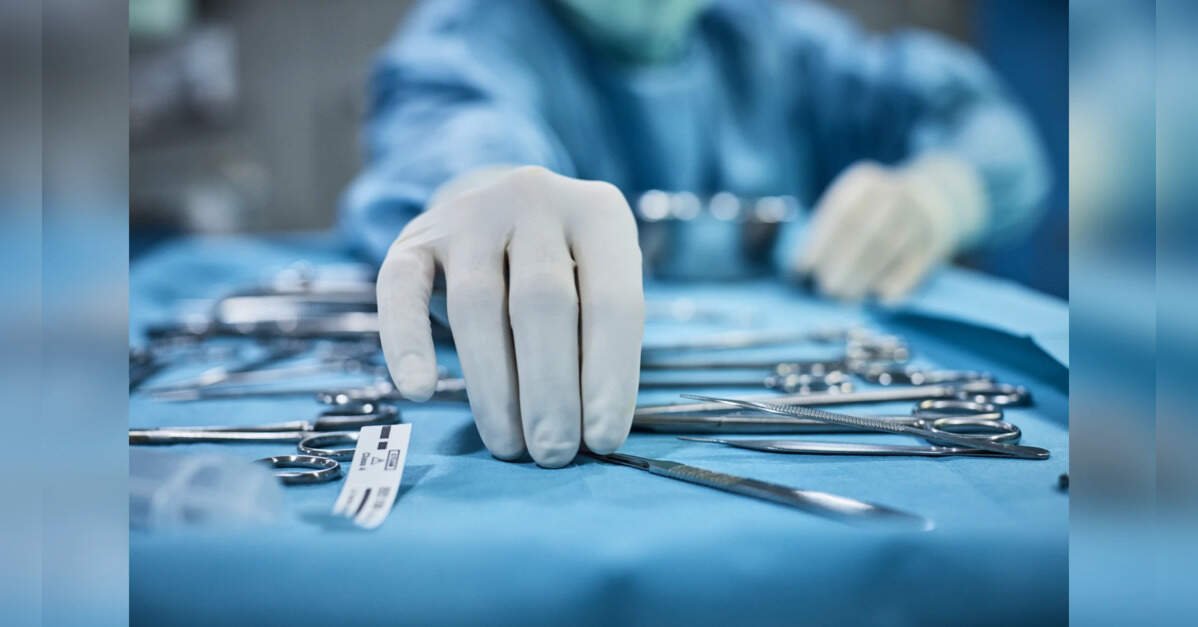
Many hospitals are going through a quiet crisis which is not often talked about at board meetings or even on patient satisfaction surveys. Nurses have to put their tasks on hold to search for equipment. Patients have to wait longer before discharge from the hospital. Even the equipment meant to assist patients goes missing for weeks.
This problem is not just a minor trouble to the hospital and the staff. It directly affects the amount of money that can be spent and the available workflows. Finally, and most importantly, it negatively impacts the patients care. This situation is changing now, the kind of technology that tracks your cab or food delivery is now making its way into hospital corridors, and it may hold the answer.
The Crisis Playing Out on Every Hospital Floor
In a busy hospital, patients and equipment are moving throughout every corner. Patients are also shifting to and from the wards, operating theaters, and units that perform hospital tests. Equipment may be situated in infusion pumps throughout the building, waiting in wheelchairs, using ECG monitors, or in crash carts. Due to the complexity of a hospital, finding a critical piece of equipment may sometimes require a search throughout the entire facility. Locating equipment can also be inefficient, often requiring multiple phone calls.
According to research findings from the Journal of Healthcare Management, nurses allocate between 30 and 60 minutes in each shift to do precisely that. ECRI Institute recognizes the issue of equipment availability to be among the major issues compromising patient safety in health care organizations. Hospitals are compelled to over purchase equipment since they buy devices they have and cannot locate. Research reports state that each hospital in India suffers losses amounting to ₹1.8 crore every year due to asset mismanagement.
There’s also India’s nursing shortage to consider, one that has been persistent for years, with most states still falling short of the WHO’s benchmark of 4 nurses per 1,000 people. When staffing is that stretched, a nurse spending a minute hunting for an infusion pump is a minute she is not spending with a patient. That’s why technology built to give this time back matters so much here, it isn’t a convenience, it’s closer to a clinical necessity.
Bringing Real-Time Location Indoors: How RTLS Works
A traditional GPS would not work in a hospital because the signals are supposed to be outside. Real Time Location Systems are much like GPS but are for indoors especially in locations like hospitals where coverage would otherwise be a challenge. The technology does not require satellites but instead uses access points which have been installed in the ceilings and walls at an interval of 10 to 15 meters.Tags that have been embedded in the equipment or on patient tags and staff lanyards use Bluetooth Low Energy, Ultra-Wideband, or Wi-Fi to send out signals. The signals are collected by access points and forwarded to a central location engine where the exact location of each tag is marked on a digital map that keeps getting updated, offering real-time information about all tagged assets and individuals in the hospital.
This Is What Changes on the Ground
Once location data flows continuously, the benefits show up everywhere. No corner of hospital operations is left untouched, from how equipment is managed to how staff are kept safe. Here is what RTLS changes in practice.Asset management: Searching floor by floor is not required anymore. Equipment can be found in seconds, and the utilization records will show which devices are being used and which are collecting dust.
Patient flow: RTLS tracks all patients’ movements in the hospital, sending automated notifications of changes in a patient’s status. Once the discharge of the patient is confirmed, the technology informs the housekeeping team and changes the status of the patient’s room.
Porter and transport efficiency: Most of the internal hospital transport systems remain untapped and underutilized. Through the live mapping of all the porters, the coordinator will be able to allocate the available one immediately without having to make calls and hope for an answer. This will increase the effectiveness of the transport system greatly without compromising on the level of services.
Staff safety: In the event of a panic alert, the system will immediately locate the nurse and notify the security. The speed and the features of the system act as a safeguard in real life-threatening situations at hospital environments.
Compliance and maintenance: Every asset has a tag that tracks the asset’s movements. This helps make the system more efficient and maintain audit trails that meet the standards of NABH accreditation.
Why This Shift Matters Now and the Opportunity for India
The global RTLS market is on track to grow from USD 33.03 billion in 2025 to USD 51.24 billion by 2030, according to MarketsandMarkets, with healthcare emerging as one of its fastest-growing segments. While hospitals in the US and Europe have already scaled RTLS adoption, India is only just catching up, though not for long.
Its India RTLS healthcare market is expected to climb from USD 77.3 million in 2024 to USD 371.6 million by 2033, growing at 19.2% a year. Between the scale of India’s healthcare sector, tightening NABH accreditation requirements, and a workforce of nurses already stretched thin, large hospitals do not have the option of sitting this one out much longer.
The question is no longer whether Indian hospitals will adopt location intelligence, but how quickly they will move. For hospitals looking to operate with greater precision and efficiency, RTLS is no longer just an upgrade, but a critical operational necessity.
The article is written by Pradeep Vadakkekhatt, Co-founder and Director, Trackerwave.
(DISCLAIMER: The views expressed are solely of the author and ETHealthworld.com does not necessarily subscribe to it. ETHealthworld.com shall not be responsible for any damage caused to any person/organisation directly or indirectly)


