



The 16 host cities across the US, Canada and Mexico have been welcoming an influx of fans and tourists boosting hospitality, hotels and local businesses.
But while the Scots drank Boston dry and have won the heart of the city and its people, experts say the long-term economic benefits are minimal.
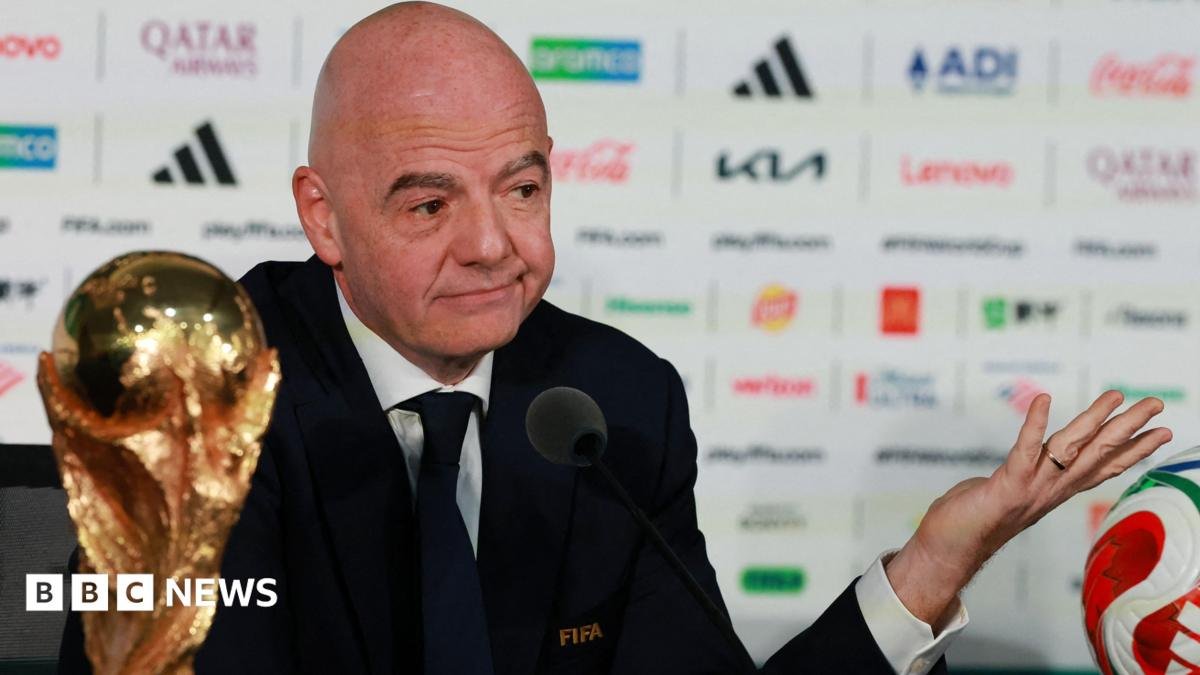
Fifa estimated some $41bn would be added to the global economy, of which $17bn would boost the US economy alone, with 185,000 jobs created, mostly in hospitality and accommodation.
But Alexander Budzier, a fellow in management practice at Oxford University and chief executive of project management company Oxford Global Projects, says the long-term economic benefits of hosting such a big sporting event just do not materialise.
Host cities actually typically see a big drop in visitors, he says, as many seek to avoid the tournament chaos.
And while there may be a spike in hiring, he argues it is typically only for lower-paid jobs in hospitality. “It creates jobs, but it does not create wealth,” he says.
Official figures show that hiring in US pubs, bars and restaurants ramped up ahead of the tournament in May, but the boom was short-lived.
The only “worthwhile” economic benefit, Budzier argues, is the regeneration projects that can be done, such as the redevelopment and housing built in Stratford in London following the 2012 Olympic Games.
But due to much of this World Cup using existing stadia, hotels, training complexes and travel infrastructure, “there won’t be any economic benefits from development”.


