



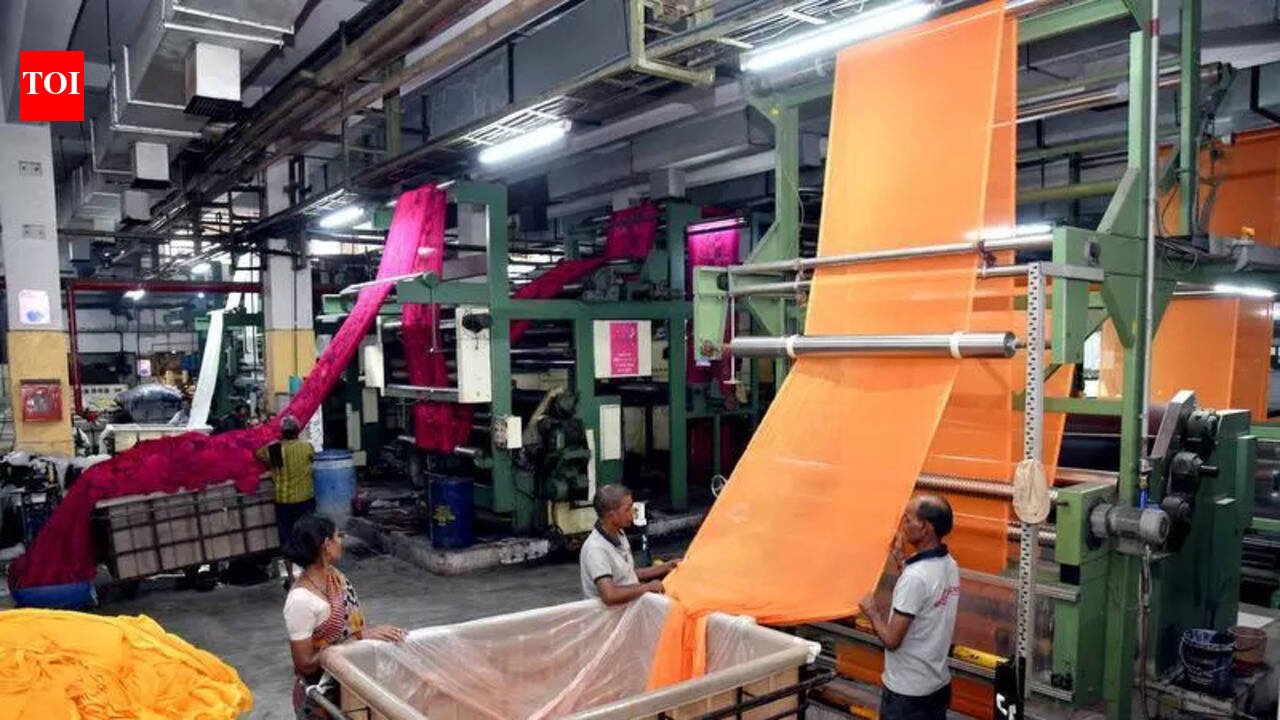
Surat: Textile processors in south Gujarat, mainly Surat, are increasingly feeling the heat of a sharp surge in imported coal prices, which have risen by 30–35% in recent weeks. The spike is attributed to multiple geopolitical factors, most recently the steep increase in ocean freight rates amid the ongoing conflict in the Middle East.Processors say they have been compelled to raise processing charges by up to Rs 1.25 per metre to offset higher fuel costs. Coal remains their primary energy source for boilers and captive power plants in Surat. There are around 400 textile processing units in the region.Industry sources said the sudden rise in fuel costs has forced several manufacturers to increase product prices and pause fresh bookings amid concerns of further escalation. They warned that a continued rise in coal prices could push up production costs, disrupt supply chains, and ultimately make finished products more expensive for consumers.Coal used by the industry is largely imported from Indonesia. Traders said the landed cost has climbed by Rs 1,500 to Rs 2,000 per tonne in a short span. Importers said depending on the grade and delivery terms, the effective increase is estimated at Rs 800 to Rs 1,500 per tonne, while shipping charges have risen by over Rs 700 per tonne.“We do not have any alternative to imported coal due to its higher calorific value compared to domestic coal,” said Jitu Vakhariya, president of the South Gujarat Textile Processors Association (SGTPA). “Prices are being revised frequently, putting industries under pressure and forcing us to raise product prices.”Shyam Agarwal, one of the leading textile processor, said, “Processing costs in my unit have increased by Rs 1.25 per metre, and I have no option but to raise prices. Industries in South Gujarat fear further hikes,” saidImporters said tighter export restrictions in Indonesia have reduced supply, while strong demand from China has intensified competition for available cargoes. “Restrictions in Indonesia have reduced export availability. At the same time, demand from China remains high, causing prices to rise rapidly,” a coal importer said.Shipping disruptions linked to the Middle East conflict have further worsened the situation. “Vessel availability has declined as shipping companies remain cautious about deploying ships on certain routes due to the war. Higher crude oil prices have also pushed up bunker fuel costs, driving freight rates and overall logistics expenses higher,” another importer said.


