






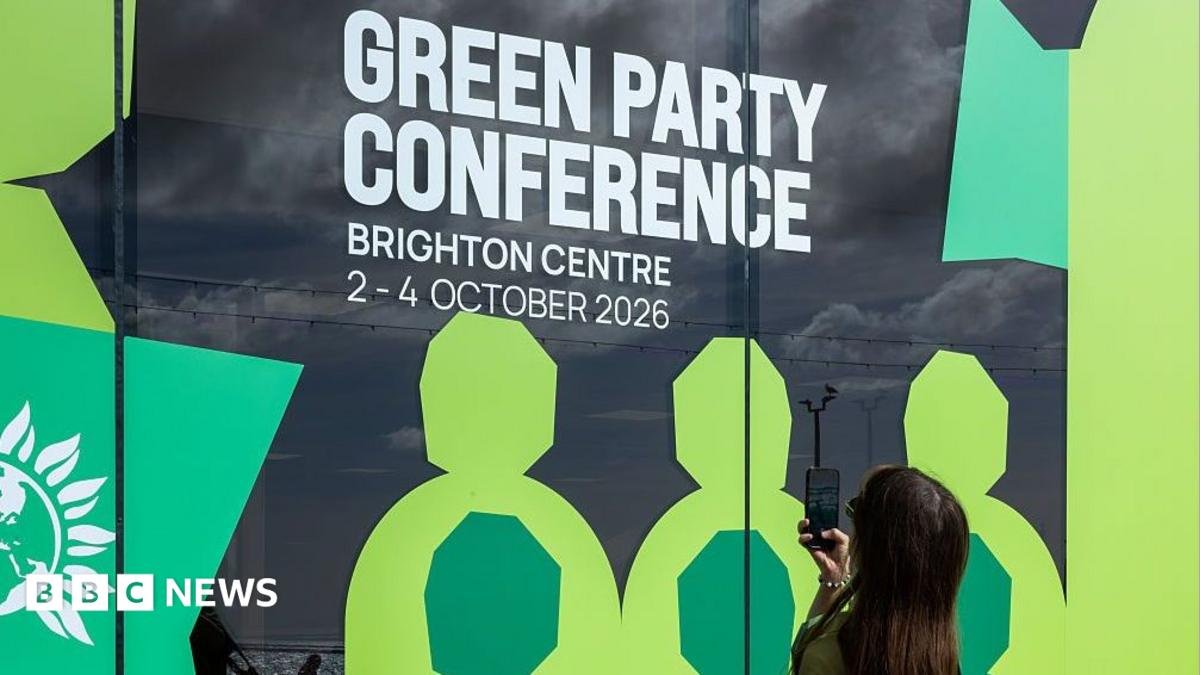
It is not exactly typical for a British party conference, let alone that of one of the smaller parties, to elicit international condemnation.
Yet that is the position the Green Party of England and Wales is in today after Israel’s foreign ministry said it was banning their leader, Zack Polanski, from entering the country.
The cause was the motion proposed by party members and adopted by the conference on Sunday, declaring Zionism, which is the belief in the right to a Jewish homeland, to be racism.
The Green motion describes Zionism as an ideology supporting “an ethnonationalist Jewish state”, and supports instead a “single democratic Palestinian state in all of historic Palestine”.
It’s hardly likely that Polanski or indeed many Greens are going to be much troubled by Israel’s condemnation of the motion. One major factor in the Greens’ electoral gains over the past year or so, a hugely successful period for the party, has been their clear and vocal condemnation of Israel’s war in Gaza and actions in the region more generally.
What may be more troubling for the Greens institutionally is what this episode reveals about some of the dynamics in the party.
Many Greens are proud of the party’s internal democracy: this motion was proposed by and voted on by party members. Yet that has resulted in the scenario of leading Green elected politicians facing scrutiny over party policy which the vast majority of them opposed.
Polanski, who is not an MP, wanted changes to the motion which were rejected by the conference, and ultimately did not participate in the debate or vote. Of the Greens’ five MPs, four opposed the motion.
The most vocal of them was Adrian Ramsay, the MP for Waveney Valley, who was a Green co-leader for four years until September last year when he and his running mate were defeated by Polanski by a vast margin.


