



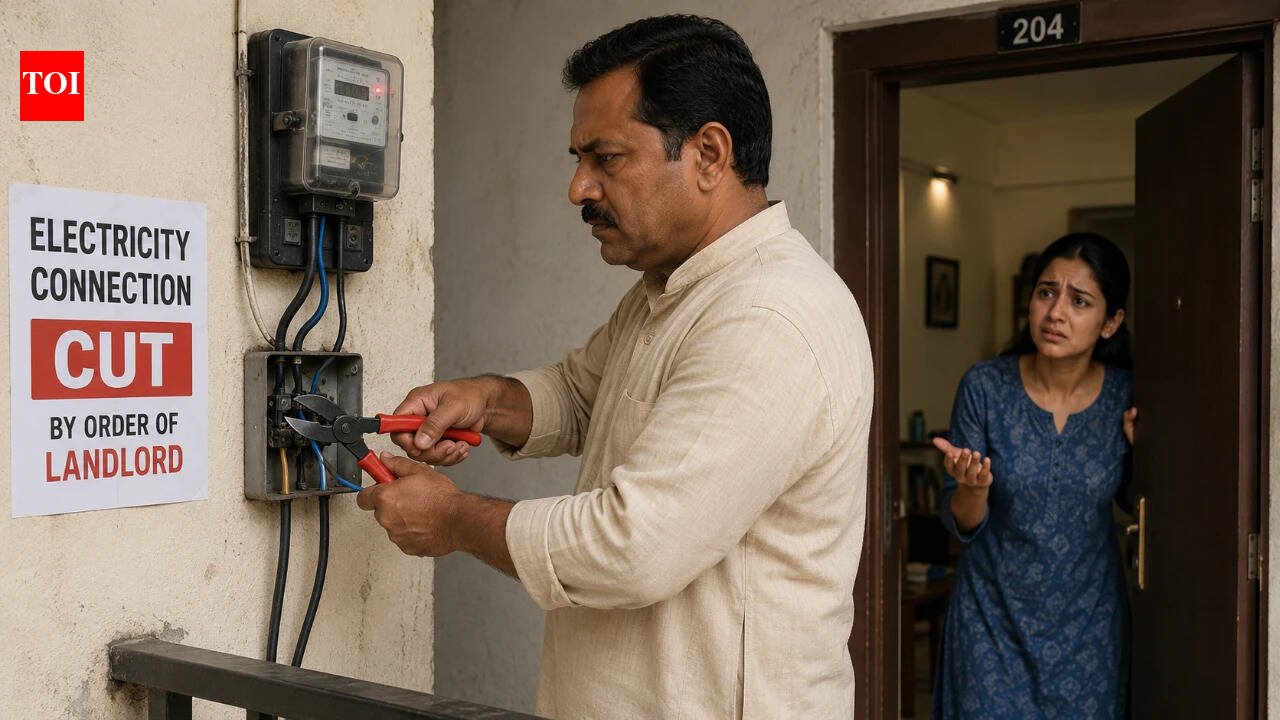
For many people in India, renting a home is part of everyday life, whether it’s for work, studies, or simply the flexibility. But while landlord may own the property, the tenant isn’t exactly living on borrowed luck. There’s a whole set of tenancy laws that quietly work in the background, setting boundaries on rent hikes, evictions, access to property, and even basic services to ensure things don’t go off track.The Model Tenancy Act, 2021, steps in as a rulebook of sorts, clearly defining the rights and duties of both landlords and tenants to keep the balance fair and transparent.Can my landlord increase rent arbitrarily?One such rule is that the landlord cannot increase the rent arbitrarily. It can be raised only in accordance with the terms of the tenancy agreement. In case of a dispute, the Rent Authority may, on an application made by the landlord or tenant, determine the revised rent and other charges payable by the tenant and also fix the date from which such revised rent becomes payable.Can my landlord charge any amount as a security deposit?For residential property, the landlord cannot charge a security deposit exceeding two months. After liability deductions, it should be refunded on the date of taking over vacant possession of the premises.Can my landlord refuse to return security?The security deposit shall be refunded to the tenant on the date of taking over vacant possession of the premises from the tenant, after making due deduction of any liability of the tenant. Additionally, according to section 24, after recovering possession of the property, any advance rent or payment must be refunded after lawful deductions. Interest is payable if the landlord fails to refund.Can my landlord evict me anytime during the tenancy?During the agreed tenancy period, a tenant cannot be evicted from the property simply because the owner wants them to. Sometimes, to cause an eviction, the landlord may try to manufacture a default by refusing to accept rent. In such a case, rent can be directly submitted to the rent authority.Can my landlord refuse to give me a rent receipt?Landlords cannot refuse to acknowledge the rent received. Whenever rent is paid in cash, the landlord must issue a signed receipt. Electronic receipts are treated as conclusive proof for online payments.Can my landlord cut essential services like water or electricity?Under section 20, no landlord or property manager can withhold essential services like water, electricity, sanitation, piped cooking gas, parking, etc. If they do, the Rent Authority can immediately order restoration and award compensation.What happens to my rent agreement if my landlord dies?And here’s a lesser-known detail: even if the landlord passes away, the rental agreement doesn’t lose its validity. It automatically binds the legal successor for the remaining duration of the tenancy. In other words, the contract doesn’t change just because the owner does.Can my landlord enter my home whenever they want?The act also includes strong privacy provisions; under section 17, the landlord cannot enter the premises unannounced or whenever they wish. They must provide at least 24 hours’ notice before entry. The notice must specify the reason, date and time. Additionally, the entry is allowed only between sunrise and sunset, except in emergencies like fire.Can my landlord charge rent if the property becomes uninhabitable?If the property becomes uninhabitable because of force majeure events like floods, earthquakes, and fires, the landlord cannot charge rent until the premises are restored to a habitable condition.Can my landlord refuse repairs and still keep my security deposit? If the landlord refuses to repair the property, the tenant may leave after giving 15 days’ written notice, and the landlord must refund the security deposit and advance rent within those days after legitimate deductions.However, it is important to note that the Model Tenancy Act, 2021, is a model law and does not automatically apply across India. Only states and Union Territories that adopt it can implement its provisions. Presently, only Andhra Pradesh, Tamil Nadu, Uttar Pradesh, and Assam have adopted the act. In other states, landlord-tenant relationships continue to be governed by their respective rent control laws and the Transfer of Property Act, 1882.


