



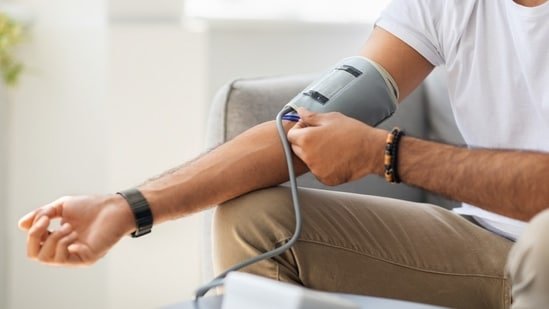
Households, especially those with elderly members, people with chronic illnesses or anyone with vulnerable health conditions, usually need to keep track of vital health parameters. Even otherwise, basic first-aid supplies and medical devices at home can be helpful, as they may alert families to sudden changes in readings and prompt them to seek medical attention on time.


For this, HT Lifestyle asked experts on which medical devices should be kept at home and what immediate steps families should take, without panicking, if any abnormal readings show up.
Which medical devices do you need to keep at home?
Sonu Kr Yadav, founder and CEO of Hospitalstore.com, highlighted the importance of home healthcare tools, reminding that medical emergencies can occur suddenly, which makes home preparedness a must.
“Every family should consider keeping a basic set of essential medical devices, including a digital thermometer, blood pressure monitor, pulse oximeter, glucometer (where required), nebuliser, and a well-stocked first-aid kit,” Sonu advised.
This is why a well-stocked first-aid kit should not only be limited to band aids, antiseptic wipes and pain relievers. Basic medical devices which track health parameters also need to be included. Sonu agreed that such tools can help detect health changes early.
“Timely monitoring can help detect changes in health conditions, particularly among children, senior citizens, and individuals with chronic illnesses. Moreover, having reliable medical devices readily available can reduce panic during emergencies and support better communication with healthcare professionals,” he added.
What to do when you see an abnormal reading?
Next, for a clinical perspective, Dr Sanjay Verma, Additional Director, Internal Medicine, Fortis Hospital Okhla weighed in saying that the most common patients make is that they panic. “Whether it is a sudden spike in blood pressure, an unusually high blood sugar level, a drop in oxygen saturation, or a high fever, the first reading should be viewed as a signal—not a diagnosis,” he assured, advocating for staying calm before jumping into conclusions.
Here are some of the immediate steps the doctor recommended for abnormal reading values:
1. If blood pressure appears unusually high or low:
What to do:
- Sit quetly for a few minutes and repeat the measurements.
- The best place to measure blood pressure is while sitting on a dining chair, with the arm supported on a table.
What to avoid:
- Anxiety, pain recent physical activity or incorrect cuff placement can affect the reading.
- Avoid tea or coffee before checking BP, at least one hour before checking, as it can influence blood pressure values.
- Cough syrup or nasal decongestant drops or tablet or nebulisation may push up the BP and pulse.
2. If a glucometer shows a sudden rise or fall in blood sugar
- Wash your hands and recheck. Residual spirit swab film, food residue on the fingers is a surprisingly common cause of falsely elevated readings.
- If symptoms such as sweating, confusion, dizziness or excessive thirst accompany the reading, seek medical advice promptly.
- Rechecking from another finger and, where possible, comparing with another person’s reading can help rule out a faulty or spurious value.
3. Thermometer records high fever
- Ensure the temperature is measured correctly and stay well hydrated.
- Persistent high fever, difficulty breathing, confusion, or seizures should never be ignored.
4. Oximeter records low oxygen levels
- If a pulse oximeter shows low oxygen levels, warm your hands, remain still, and repeat the reading.
- Poor circulation, cold fingers, or improper placement can affect accuracy.
- Persistent low oxygen saturation, especially with breathlessness, warrants urgent medical evaluation.
In the end, the physician advised not to panic and check again while closely evaluating your bodily symptoms.“In medicine, numbers are important, but they are only one part of the clinical picture,” Dr Verma concluded.
Note to readers: This article is for informational purposes only and not a substitute for professional medical advice. Always seek the advice of your doctor with any questions about a medical condition.


