



Telangana’s monthly salary and pensions bill have seen a sharp surge over the past decade, with around ₹6,000 crore reportedly being spent on pensions and payments. Engineers of power utilities in the state are drawing upto ₹7 lakh, and Class 4 employees, including sweepers, earn around 2 lakh.


Telangana chief secretary K Ramakrishna Rao made these revelations on Wednesday, during a conference on the recommendations of the 16th Finance Commission. He said that the state is spending ₹6,000 crore per month on salary which is four times the outgo (total money paid to individuals) when the state was formed in 2014, Times of India reported.
The chief secretary said that salary and pensions of workers have expanded 300% due to successive pay revisions, which also clashed with election cycles and led to a surge in expenditures.
Power utilities engineers among highest paid
Among the highest paid workers in the state are chief engineers in Telangana State Power Generation Corporation Limited (TGGENCO), Telangana State Transmission Corporation Limited and Telangana Northern Power Distribution Company Limited.
In these organisations periodic four-year revisions have made monthly salaries of the engineers to ₹7 lakh at senior levels, Rao informed.
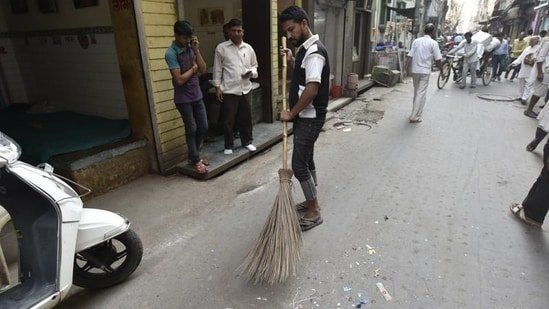
Meanwhile, entry-level municipal staff, including sanitation workers and drivers, are earning approximately ₹28,000 a month.
Increased salaries leading to intense competition
The chief secretary also said that the increase in salaries has led to a rise in competition for government jobs. He said that about 799 candidates are vying for each of the 563 Group-1 posts advertised recently. Candidates across categories prepare for selection for years, fuelling a booming coaching industry.
Also read: 10% govt schools in Nuh running with just a single teacher: Haryana govt
While the expenditure has increased, the official said that the Telangana government has managed to sustain itself through strong economic performance with around 11 per cent growth and a steady increase in revenue sources.
Rao also talked about robust digital infrastructure for subsidies.


