



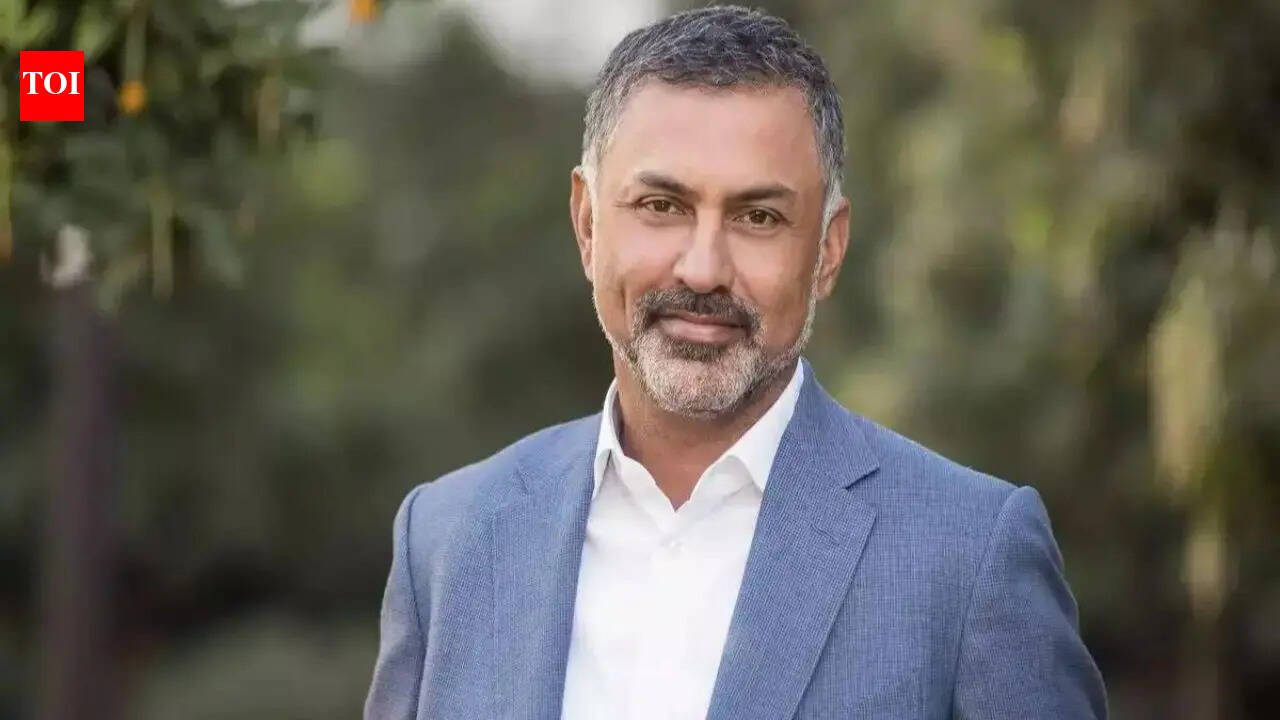
Palo Alto Networks’ shareholders have reportedly rejected its CEO’s pay package more times than investors at any other company in Corporate America. According to a report by Bloomberg, shareholders of the cybersecurity company have voted against executive compensation proposals seven times since 2015, the highest number of failed “say-on-pay” votes among companies in the S&P 500 Index.In December 2025, less than half of Palo Alto shareholders voted in favour of compensation packages for senior executives. This included a package valued at nearly $100 million for CEO Nikesh Arora. This was the seventh time since 2015 that shareholders rejected the company’s executive pay proposals. But the advisory “say-on-pay” votes are non-binding, and the board is under no obligation to change its compensation plans for investor opposition.Despite the repeated pushback, Palo Alto Networks has continued to deliver strong financial results. Since Arora took over as CEO in 2018, the company’s shares have gained nearly 800%, while its market value has increased by more than $100 billion.In a statement to Bloomberg, the company’s board defended its approach to executive compensation, describing Arora as “a world-class, exceptionally talented CEO whose focus and interests fully align with those of our shareholders.” The board added that it “scrupulously ensures Nikesh is paid for performance.”“You can correlate the amount I’ve gotten paid to the $100 billion,” Arora said during an interview in March.
How Palo Alto’s shareholders continue to raise concerns about CEO’s pay
While investors have benefited from the company’s growth, some shareholders argue that executive compensation remains too generous relative to performance targets.The Florida State Board of Administration, which oversees retirement investments for public employees, is among the investors that have opposed Palo Alto Networks’ compensation proposals. The organisation has cited concerns over what it views as insufficiently challenging performance goals and weak links between executive payouts and shareholder returns.Proxy advisory firms Institutional Shareholder Services (ISS) and Glass Lewis have also repeatedly recommended voting against the company’s compensation plans. ISS has warned that an “unmitigated pay-for-performance misalignment exists” and noted that Arora’s target compensation significantly exceeds that of comparable executives.The compensation packages under scrutiny extend beyond the CEO. Palo Alto Networks approved executive pay packages valued at more than $25 million each for its president, chief financial officer and chief product and technology officer in fiscal 2025.Palo Alto Networks ties a significant portion of executive compensation to revenue growth, profitability and other financial targets through performance-based stock awards.The company has introduced changes to address shareholder concerns, including reducing maximum payout opportunities under certain stock award programmes and modifying performance metrics. However, those changes did not prevent the latest compensation proposal from failing to secure majority support.Arora has maintained that executive compensation should be evaluated alongside shareholder returns. He said, “Every article I read about CEO pay is how much you get paid and what that is as a multiple of the average employee. But it’s never correlated, saying, ‘These are the returns you generated. This is what you got paid.’”He also noted that the structure of his compensation can lead to years with little or no payout. “In 2024, I got paid zero. I worked for free for 12 months,” Arora added.The debate comes as executive compensation remains under increasing scrutiny in the US. At Palo Alto Networks, the CEO-to-worker pay ratio reached 442-to-1 in fiscal year 2025, according to company filings. Meanwhile, shareholder opposition has continued even as the company expands its business and strengthens its position in the global cybersecurity market.


