



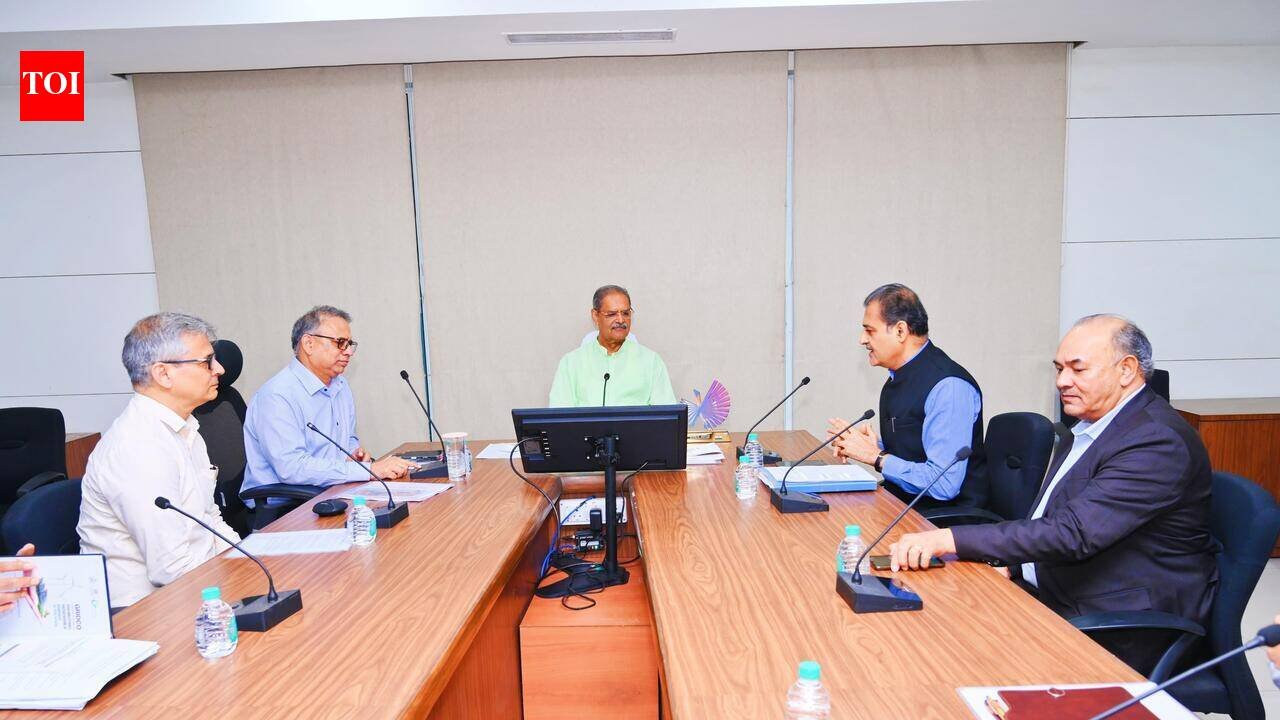
Bhubaneswar: Tata and Adani groups have approached Odisha govt with separate proposals to set up nuclear power plants in the state, signalling growing private sector interest in nuclear energy as the state looks to strengthen its long-term power security.Confirming the development, energy secretary Vishal Kumar Dev told TOI that both groups have submitted proposals, but the govt is yet to take a decision. “Tata and Adani groups have applied, but no decision has been taken yet,” Dev said.The move comes days after an Adani Group delegation met deputy chief minister Kanak Vardhan Singh Deo on July 30 and announced plans to invest around Rs 1.5 lakh crore in Odisha’s clean energy sector. Govt sources said the proposed investment covers a mix of projects, including nuclear power plants, pumped storage projects and floating solar power facilities.According to the proposal, Adani Group plans to set up two nuclear power plants with a combined capacity of 6,000 MW, besides a 2,400 MW ultra-supercritical thermal power plant and additional pumped storage projects. Pumped storage plants act like giant water batteries, storing electricity by pumping water uphill during low-demand periods and generating power when demand rises.Tata Group has separately proposed setting up four nuclear power units of 200 MW each in Malkangiri district. Officials said the company has not yet indicated the size of its proposed investment.Dev said the govt is proceeding cautiously because nuclear projects involve stringent safety norms and site-selection requirements. Setting up a nuclear plant requires a large buffer zone around the site with no residential settlements nearby, access to abundant water for cooling, and a location that is safe from earthquakes and major flooding.The interest in nuclear power comes as Odisha’s Vision 2036 and 2047 documents identify Small Modular Reactors (SMRs) as a technology worth exploring for the future. The vision document envisages Odisha emerging as a major energy hub by 2047.SMRs are smaller versions of conventional nuclear reactors. While most traditional reactors generate 1,000 MW to 1,700 MW of electricity, SMRs typically produce up to 300 MW and can be deployed in phases, making them easier to build and expand.


