



CHENNAI: Public transport has moved from policy files to political speeches this election season. Both M K Stalin and Edappadi K Palaniswami have invoked metro expansion, buses and connectivity in their campaigns, signalling a shift where urban mobility is entering electoral politics. But this attention appears less like vision and more like damage control.For decades, Tamil Nadu elections have been driven by welfare. Mobility was treated as welfare — e.g. free bus travel for women. A 2024 Bharathidasan and Alagappa universities study found the scheme improved access to work and financial independence despite operational gaps.
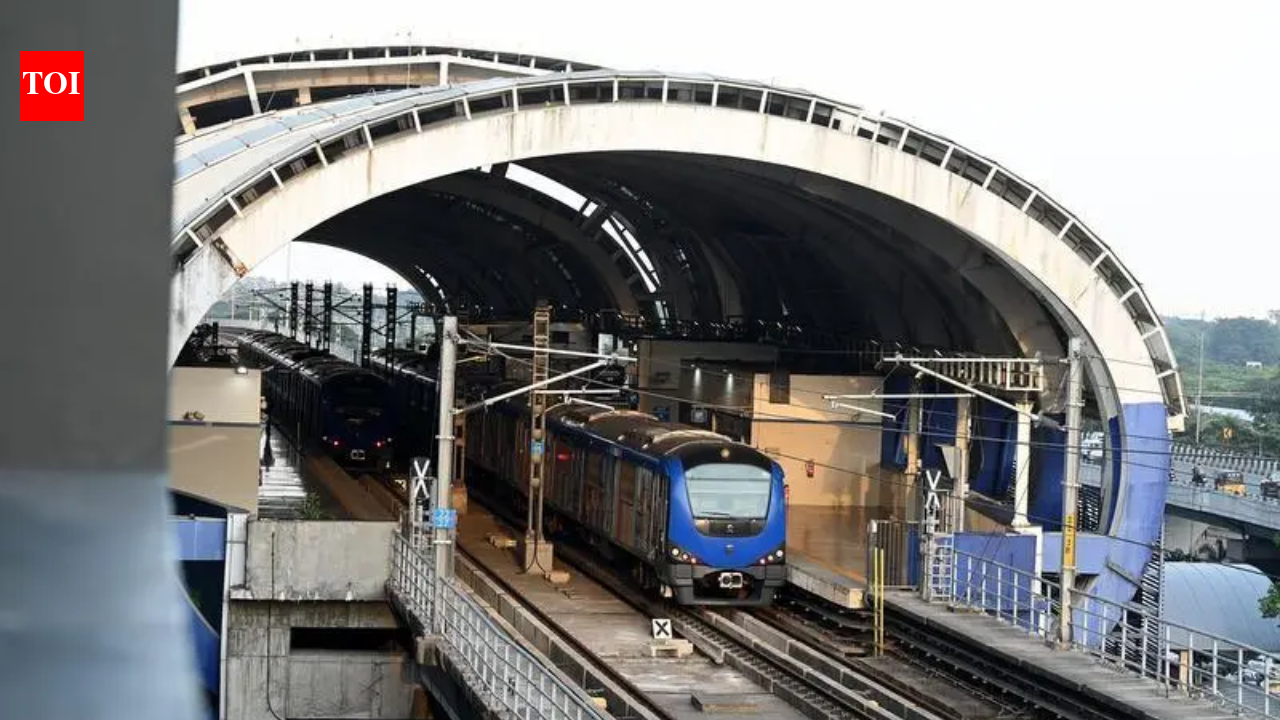
The link between mobility and empowerment has deeper roots: in Pudukkottai in the 1990s, a literacy-linked cycling movement saw thousands of rural women take to bicycles, breaking social barriers and gaining access to work, education and public life. Later in 2014, under the AIADMK govt, Greater Chennai Corporation introduced the non-motorised transport policy to prioritise walking and cycling, but it was poorly implemented.Now commute is being framed as a question of governance and delivery, which is where both govts have struggled. And, metros have become central to this political messaging. The phase-1 project, conceived under DMK, was executed largely under AIADMK, which later launched phase-2. This is now being expanded again by DMK, turning it into a site of political contest. Stalin, in his campaign speech in Thiruvarur, accused Centre of delaying approvals for phase-2, with the state carrying the financial burden. EPS at Alandur said the approvals were secured under AIADMK, calling it his govt’s achievement. Caught in the crossfire is the commuter.Despite heavy investment, metro ridership remains low, largely due to poor last-mile connectivity. The recent push for 220 feeder buses, years after the problem became evident and just months before elections, reflects a familiar pattern: fixes arrive late, often when political stakes are high.“When phase-1 was proposed, the plan was to help commuters access stations by foot, if within 500m, or by a small bus, if within 2-3km. But serving people has never been the priority,” said former CMRL director R Ramanathan.The gap between promise and delivery is visible across systems. The MTC bus network has stagnated, suburban rail operated by Southern Railway remains poorly integrated, MRTS takeover is pending, and Chennai Unified Metropolitan Transport Authority has struggled to enforce coordination.“Different departments plan different things … CUMTA can come in, but only if all organisations listen,” said managing director of ITDP Aswathy Dilip.Yet, political messaging has moved ahead of delivery. Now, AIADMK promises extension of free bus travel to men and new metro projects, while DMK proposes MRTS upgrades and last-mile connectivity measures.“Commute time and transport reliability have become key,” said president of Tamil Nadu Consumer Protection Organisation, C Paul Barnabas. “And that will influence how people vote.”


