



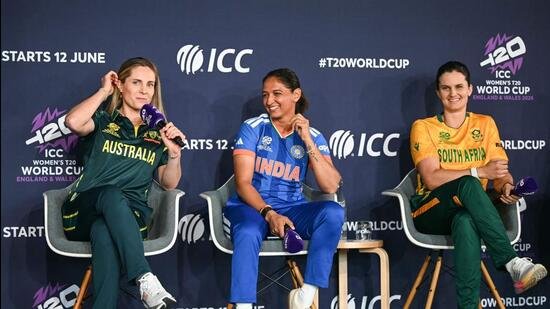
Chandigarh: As India prepares for the ICC Women’s T20 World Cup in England, expectations are understandably high. Fresh from their historic ODI World Cup triumph, the Harmanpreet Kaur-led side enters the tournament with confidence, experience and growing depth.
Former India captain Mithali Raj believes the team has all the ingredients required to challenge for another ICC title but stresses that success in T20 cricket will depend on adaptability, composure and execution in crucial moments.
Excerpts
Will winning the ODI World Cup help India in their pursuit of another ICC trophy?
Winning the ODI World Cup will certainly boost confidence because the players now know what it takes to win a major ICC event. That success reinforces belief and helps teams handle pressure situations better. However, every World Cup is different. T20 cricket is far less forgiving and matches can change in a matter of overs. India have experienced players and match-winners, but the key will be staying in the present, adapting quickly and making the right decisions under pressure.
What adjustments will Indian players need to make in English conditions?
India have already spent time in England through the T20I series and warm-up matches, which is a big advantage. Traditionally, England offers more pace and movement, but the recent pitches have appeared slower than expected.
Batters need to identify scoring areas quickly, while bowlers must understand the lengths and variations that work best. Mentally, flexibility is crucial.
What has been India’s biggest weakness in previous World Cup campaigns?
I would say handling key moments in big matches. India have always had the talent, but World Cups are often decided by how teams respond during crucial passages of play. Temperament and decision-making under pressure have sometimes made the difference.
How important will Shafali Verma be for India?
Shafali can change the momentum of a game within a few overs and put opposition bowlers under pressure. The next step for her is converting starts into bigger scores. She doesn’t always have to attack every ball. If she combines patience with aggression, she can be a consistent match-winner.
What concerns emerged from India’s recent series against South Africa?
The biggest issue was the lack of substantial partnerships. There were moments when one batter would play well, but there wasn’t enough support around her. Fielding and catching also need improvement. That said, India were experimenting with combinations and trying different players. I wouldn’t judge them purely on results.
Where does India still trail the leading teams like Australia and England?
I don’t think there is a huge gap anymore. India have shown they can beat top teams in their own conditions. Areas for improvement include game awareness in crucial moments, running between the wickets and continuing to raise fitness standards. The good thing is that players today have access to world-class facilities and support systems, which was not always the case.
How important will the middle order be on slower English pitches?
The middle order will have a huge role because boundaries may not come easily on slower surfaces. Strike rotation and finding gaps will become very important. Players like Jemimah Rodrigues can keep the scoreboard moving, while Richa Ghosh can be a genuine game-changer. Her finishing ability can provide those extra 20 or 30 runs that often decide T20 matches. She may need a couple of deliveries to assess conditions, but once settled she has the power to dominate attacks.
Has the Women’s Premier League changed the mindset of Indian players?
Absolutely. The WPL has been a game-changer for Indian women’s cricket. Young players are now exposed to pressure situations much earlier and get the opportunity to learn from some of the best players in the world.
As a result, they are more confident and better prepared for international cricket. The exposure, competition and experience gained through the league have made a significant difference.
Does this Indian squad have the balance and temperament to win the World Cup? Who could be the X-factor?
I certainly believe this team can win the World Cup. There is depth in the squad and several players have shown they can step up in pressure situations.
India would have liked to have pace-bowling all-rounders such as Pooja Vastrakar, Amanjot Kaur or Kashvee Gautam available because they add balance, but the focus now should be on identifying the best XI and backing it.
If I had to pick X-factors, I would say Shafali Verma and Richa Ghosh with the bat because they can change games quickly. With the ball, Shree Charani could play a key role during the middle overs.


