






Need extra funds for your next purchase?
Loan up to ₹5 Lakhs
Starting at 11% p.a.*
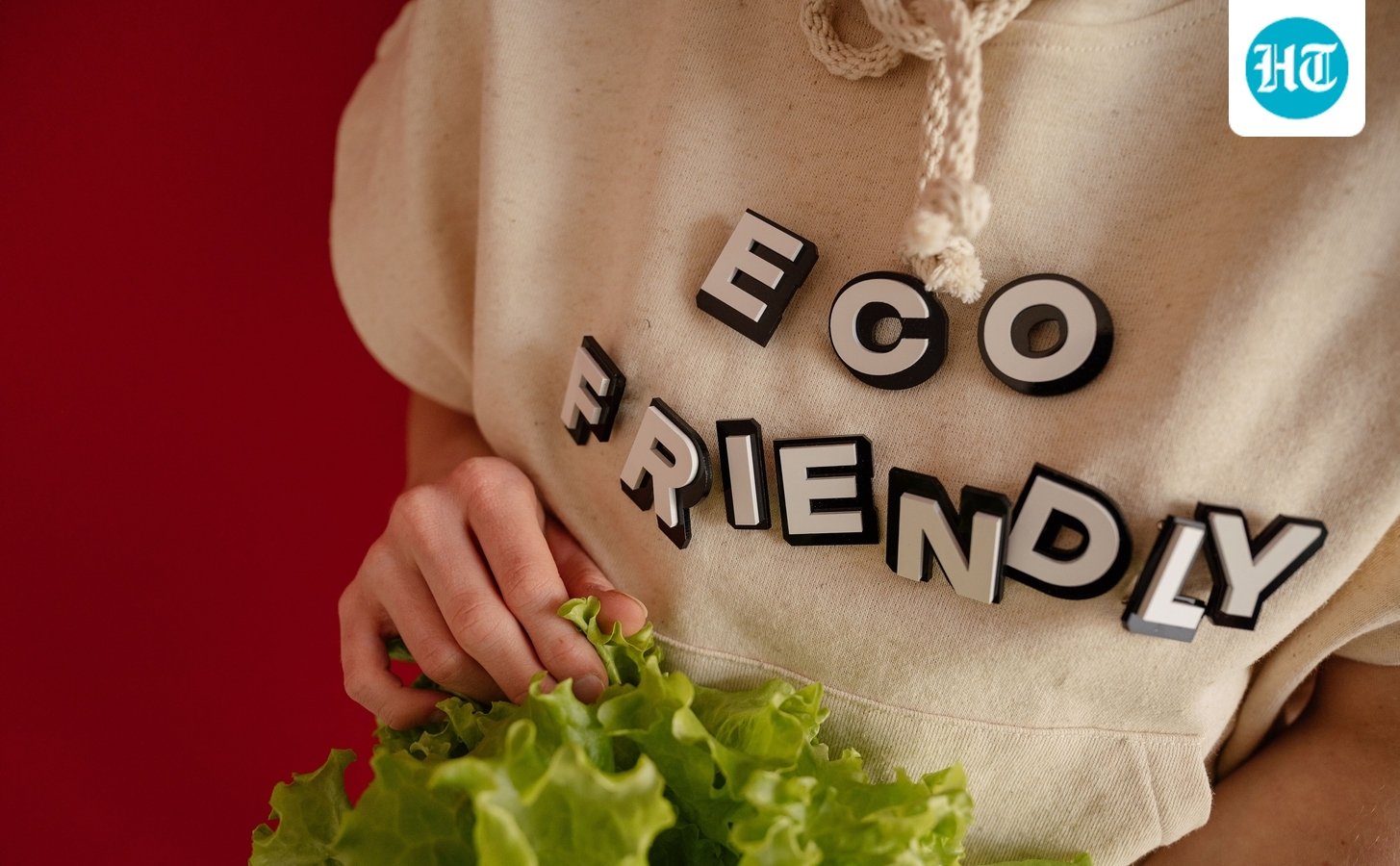
Sustainable fashion no longer has to mean a wardrobe full of beige linen, oversized silhouettes and clothes that look like they belong exclusively at a yoga retreat. Thankfully, the conversation around eco-friendly fashion is getting much more interesting and much more wearable.
From organic cotton and linen to hemp, Tencel and recycled fibres, fashion is increasingly experimenting with materials that can reduce reliance on virgin resources and make a wardrobe more considered. Even luxury fashion is investing in new bio-based textiles, leather alternatives and recyclable materials, while India is also pushing initiatives around organic fibres, safer chemicals, recycling and traceability.
But here is the slightly annoying part: not everything labelled “eco-friendly” is automatically sustainable.
A fabric’s environmental impact depends on much more than whether it sounds natural. How the fibre is grown or produced, how it is dyed and finished, how long the garment lasts and what happens to it at the end of its life all matter. Even recycled synthetics have trade-offs, while a durable garment worn for years can sometimes be a more responsible choice than constantly replacing supposedly “green” clothes.
So before your next wardrobe refresh, look beyond the trend and read the label. These are some of the eco-friendly and lower-impact materials worth knowing about.
1. Organic cotton: the familiar favourite
If you are not ready to become a sustainable-fashion expert overnight, start with organic cotton.
Unlike conventional cotton, certified organic cotton is grown according to organic agricultural standards that restrict the use of certain synthetic pesticides and fertilisers. It is already used across everyday fashion, from T-shirts and dresses to shirts, kurtas and denim.
The important word here is certified. Simply seeing “organic cotton” on a product page is not the same as having independent verification. GOTS, or the Global Organic Textile Standard, is one certification shoppers can look for when buying organic textile products.
For an everyday wardrobe, organic cotton is one of the easiest sustainable-material swaps because you do not have to dramatically change your personal style to wear it.
Wear it as: T-shirts, shirts, dresses, kurtas, co-ords and everyday basics.
2. Linen: the fabric that makes summer dressing easier
Linen has gone from being associated with holiday shirts and slightly crumpled resort trousers to becoming one of fashion’s favourite everyday fabrics.
Made from the flax plant, linen is a natural fibre and is particularly popular for warm-weather dressing. It also has that wonderfully relaxed texture that makes an outfit look intentional even when you have done very little.
And yes, the wrinkles are part of the deal. You do not need to iron linen until it resembles architectural concrete.
Linen is also increasingly prominent in conversations around lower-impact fashion, although, as with every material, the environmental story depends on how it is grown, processed and manufactured.
Wear it as: Shirts, trousers, dresses, skirts, co-ord sets and summer jackets.
3. Hemp: the underrated one to watch
Hemp deserves considerably more attention than it gets.
It is a plant-based fibre that can be used to create durable textiles and is increasingly appearing in sustainable fashion collections. Hemp can also be blended with other fibres, making it more approachable for people who are not ready to dress like they have permanently relocated to a countryside retreat.
Its growing popularity is part of a wider shift towards diversifying the materials used in fashion instead of relying so heavily on conventional fibres.
The best part? Hemp does not have to look particularly “eco”. A well-designed hemp-blend shirt can look just as contemporary as anything else in your wardrobe.
Wear it as: Shirts, trousers, dresses, jackets and casual separates.
4. Tencel or Lyocell: for people who like their sustainability soft
If the words “sustainable fabric” make you picture rough, crunchy textiles, allow Tencel Lyocell to change your mind.
Lyocell is a regenerated cellulosic fibre made from wood pulp. TENCEL™ is a branded form of lyocell/modal produced by Lenzing. Its smooth feel and fluid drape make it particularly popular for garments where you want something softer and more fluid.
It is also frequently included in discussions about lower-impact textile choices, particularly when compared with some conventional regenerated fibres. However, shoppers should still check the exact fibre composition and brand claims rather than assuming every “wood-based” fabric has the same environmental credentials.
Wear it as: Dresses, shirts, skirts, trousers, tops and relaxed tailoring.
5. Recycled cotton: give old fibres another life
Sustainable fashion is not only about finding new materials. Sometimes the smarter idea is to use what already exists.
Recycled cotton is made by recovering cotton fibres from textile waste and processing them for reuse. It can help divert textile waste from disposal and reduce the need for virgin fibre, although the quality and durability of recycled cotton can vary depending on how it is produced and what it is blended with.
This is where the phrase “check the composition” becomes important. A garment described as recycled may contain only a small percentage of recycled fibre.
So, instead of stopping at the big sustainability claim on the product page, look for the actual fibre breakdown.
Wear it as: T-shirts, sweatshirts, denim and casual everyday clothing.
6. Recycled polyester: not perfect, but useful
Here is where sustainable fashion gets complicated.
Polyester is a synthetic fibre derived from fossil-based raw materials, so simply calling polyester “eco-friendly” would be misleading. But recycled polyester — often called rPET – uses existing polyester waste rather than relying entirely on virgin material.
That can make recycled polyester a useful option in categories where synthetic fibres are particularly functional, such as sportswear, outerwear and swimwear. But it is not a magic solution: recycled polyester remains a synthetic material and can contribute to microfibre pollution during washing.
In other words, recycled does not mean impact-free.
Wear it as: Activewear, jackets, bags, swimwear and performance clothing.
7. Khadi and handloom fabrics: India’s original slow fashion
Before “slow fashion” became a buzzword, India already had centuries-old textile traditions built around hand spinning, hand weaving and regional craftsmanship.
Khadi and handloom fabrics can be particularly interesting choices for a conscious wardrobe because they connect clothing with local craft, slower production and artisan communities. Their environmental impact still depends on factors such as fibre, dyeing, processing and transportation, so “handloom” should not automatically be treated as a synonym for zero impact.
But there is something else worth considering: longevity and cultural value.
A handwoven sari, dupatta or shirt that stays in your wardrobe for years and perhaps eventually gets passed on, is doing something fast fashion struggles to achieve.
Wear it as: Saris, dupattas, shirts, dresses, kurtas, skirts and statement jackets.
8. Recycled and upcycled fabrics: when old clothes become new fashion
Upcycling takes the sustainability conversation one step further. Instead of breaking an old garment or discarded material down into its fibres, designers can creatively transform existing textiles into something new.
That might mean turning leftover fabric into a new garment, using production scraps for accessories or combining vintage textiles into contemporary designs.
The result can also be more interesting aesthetically. Slight variations, patchwork, embroidery and unexpected fabric combinations can make an upcycled piece feel genuinely individual rather than mass-produced.
And that is perhaps the most appealing thing about sustainable fashion: your wardrobe does not have to look sustainable. It just has to be more thoughtfully made and used.
But wait, is bamboo actually sustainable?
This is where you should be careful.
Bamboo is frequently marketed as an eco-friendly material because bamboo itself is a fast-growing plant. But the finished textile can involve significant processing, particularly when bamboo is converted into viscose or rayon.
So do not assume that a product is automatically sustainable simply because the word “bamboo” appears on the label.
The same rule applies to words such as natural, conscious, green, plant-based and eco-friendly. They can sound reassuring without telling you very much about how a garment was actually produced.
How to spot greenwashing when shopping for clothes
If a brand tells you a garment is sustainable, do a tiny bit of detective work before reaching for your card.
Check the fibre composition
“Made with sustainable materials” is vague. “70% organic cotton, 30% recycled polyester” tells you much more.
Look for recognised certifications
Certifications can provide more useful information than a brand’s own sustainability vocabulary. GOTS is one certification worth knowing when shopping for organic textiles.
Look beyond the fabric
Ask where the garment was made, whether the brand provides information about its supply chain and whether it explains its manufacturing practices.
Think about longevity
This may be the least glamorous sustainability advice, but it is one of the most useful: buy clothes you will actually wear.
A sustainable fabric does not magically make an impulse purchase sustainable if you wear it twice and forget about it.
Take care of what you already own
Wash clothes according to their care instructions, avoid unnecessary washing where possible, repair small problems instead of immediately replacing garments and store pieces properly.
The most sustainable item in your wardrobe may simply be the one you already own.


