


DR NAZIR AHMAD KHAN
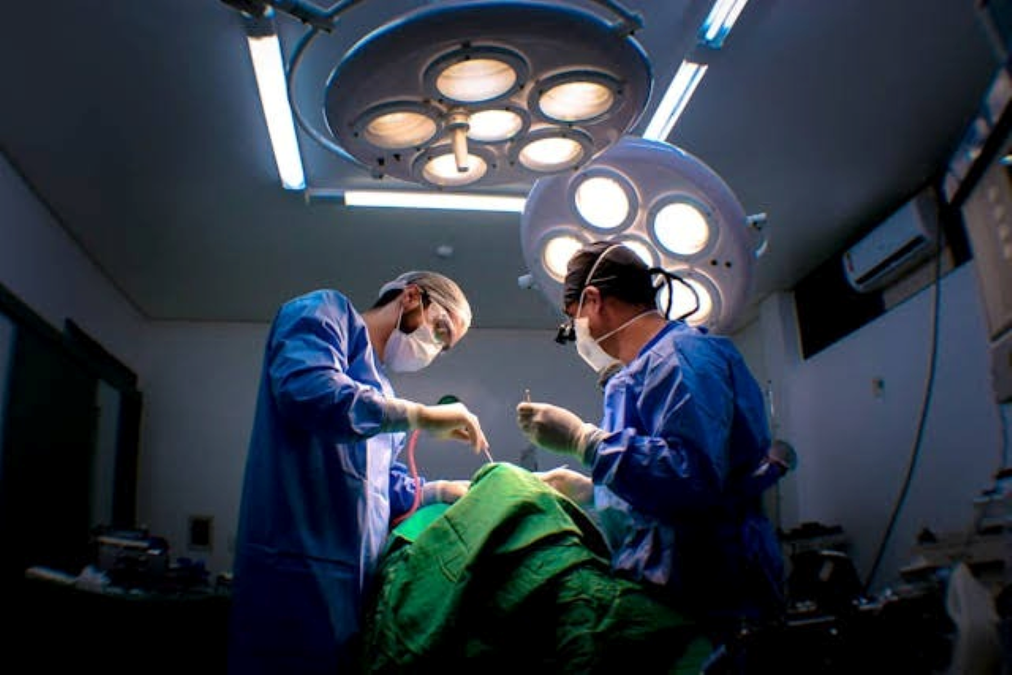
Otolaryngology has evolved dramatically from conventional open procedures to precision-driven, minimally invasive and function-preserving surgery. The development of the operating microscope, endoscopes, lasers, image-guided navigation, robotics and advanced reconstructive techniques has fundamentally changed the way diseases of the ear, nose, throat, head and neck are diagnosed and treated.
These innovations have not merely made surgery less invasive; they have changed its philosophy. Modern ENT surgery increasingly focuses on achieving effective disease control while preserving normal anatomy, function and quality of life.
Procedures that once required large incisions, prolonged hospital stays and significant morbidity can now, in selected cases, be performed through natural anatomical corridors or with much smaller surgical access.
From hearing restoration and endoscopic sinus surgery to advanced skull base procedures, modern rhinoplasty and minimally invasive head and neck oncology, these developments represent some of the most important milestones in contemporary ENT care.
Landmark Surgical Innovations
Microscopic Otologic Surgery: The operating microscope revolutionised ear surgery, enabling precise tympanoplasty, mastoidectomy and ossicular reconstruction with improved functional outcomes.
Stapedectomy and Stapedotomy: These procedures transformed the surgical treatment of otosclerosis and remain landmark achievements in functional ear surgery.
Cochlear Implantation: A defining milestone in modern otology, cochlear implantation has transformed auditory rehabilitation for patients with severe to profound hearing loss.
Functional Endoscopic Sinus Surgery (FESS): Endoscopic sinus surgery changed sinonasal surgery by providing minimally invasive, anatomy-oriented treatment while reducing morbidity associated with traditional approaches.
Endoscopic Skull Base Surgery: Endoscopic approaches have opened new avenues for minimally invasive management of complex skull base pathology, often avoiding extensive external approaches.
Modern Rhinoplasty: Open and functional rhinoplasty have evolved into sophisticated procedures addressing both nasal aesthetics and structural airway function.
Laryngeal Microsurgery and Laser Surgery: These techniques allow precise treatment of laryngeal pathology with emphasis on preservation of voice and laryngeal function.
Transoral Laser and Robotic Surgery: TLM and TORS have expanded minimally invasive treatment options for selected laryngeal, oropharyngeal and head and neck malignancies.
Selective and Modified Neck Dissection: The evolution from radical to function-preserving neck dissection has enabled appropriate oncological treatment while minimising unnecessary functional morbidity.
Image Guided and Navigation Assisted Surgery: Navigation technology has enhanced surgical precision and safety, particularly in complex sinonasal, orbital and skull base procedures.
From Radical to Refined: The history of ENT surgery reflects a remarkable journey—from extensive exposure to targeted access, from tissue sacrifice to tissue preservation, and from purely anatomical correction to restoration of function. Each technological and surgical advancement has contributed to a broader transformation in the goals of treatment.
The modern ENT surgeon is no longer simply performing an operation to remove disease or correct an anatomical abnormality. The objective is increasingly to achieve the right balance between disease eradication, preservation of normal structures, functional restoration, aesthetic considerations and the patient’s overall quality of life.
The future of ENT surgery is likely to be shaped by further advances in artificial intelligence, three-dimensional imaging, robotic platforms, personalised medicine, tissue engineering and regenerative techniques.
Yet, despite the rapid pace of technological progress, the fundamental principle will remain unchanged: the best surgery is not necessarily the most extensive surgery, but the one that achieves the desired outcome with the least possible harm.
Modern ENT surgery therefore represents not just a story of technological progress, but a continuing commitment to precision, preservation and patient-centred care. As innovation continues to reshape the speciality, the ultimate measure of surgical success will remain the same—better outcomes, restored function and an improved quality of life for the patient.
(The author is a distinguished ENT surgeon and academician, and a pioneer in rhinoplasty. He currently serves as the Principal and Dean of Kashmir Medical College and Hospital (KMCH), Sempora, Srinagar)
