



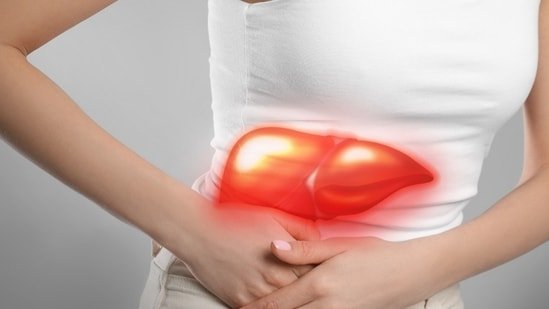
Liver cancer is one of the leading causes of cancer-related deaths. According to a 2023 study published in Clinical and Molecular Hepatology, it is the fourth most common cause of death globally. Besides conditions like cancer, fatty liver disease is also incredibly common, with Medline Plus stating that around 25 per cent of the world’s population is affected. If not managed, fatty liver can progress to more advanced and complex liver-related ailments.
It becomes important to trace back to the root causes responsible for liver diseases for a better understanding and to get a complete picture. Dr Saurabh Bansal, a gastrointestinal, laparoscopic, cancer and robotic surgery specialist and consultant at Apollo Spectra Hospital and National Heart Institute, New Delhi, shared with HT Lifestyle the key drivers behind these conditions.
He identified obesity, which, according to him, eventually lead sto liver-related ailments, along with a major dietary mistake: consuming certain types of unhealthy fats. This fat consumption eventually leads to weight gain, essentially acting as the core reason triggering the chain of events.
The surgeon said, “Hepatocellular carcinoma (HCC), the most common form of liver cancer, is increasingly linked to obesity and metabolic dysfunction‑associated fatty liver disease (MAFLD).” This puts things into perspective, as obesity is usually thought to cause diabetes or heart ailments, but it turns out it also impacts other vital organs like the liver.
Which type of fat should be avoided?
Fats are one of the macronutrients, and like the other two, carbohydrates and proteins, they are required for a balanced diet. However, choosing the right type of fat is critical for overall health.
As per Dr Bansal, obesity and other serious liver ailments are caused by the consumption of unhealthy fats. He noted, “Liver cancer risk is shaped not only by excess body weight but also by diet quality, particularly the type of fats consumed. When you eat a diet rich in animal‑derived fats, you are at high risk.”
He shared the findings of a decade-long study, published in 2025, to further clarify this connection. “Researchers examined whether cancer risk in obesity is driven simply by excess fat or whether the source of dietary fat matters. The findings were clear: diets rich in animal‑derived fats such as butter, lard and beef tallow significantly accelerated tumour growth in obese models.”
So while obesity remains a precursor to many diseases, including liver conditions, it is not just weight that matters. The surgeon reminded that animal derived dats, like butter you use regularly, can make liver tumours grow faster in obese people. These are the kinds of fats you need to watch out for.
What is safe?
The gastrointestinal surgeon advised choosing plant-based fats. He said, “Diets based on plant‑derived fats, including palm oil, olive oil, and coconut oil, did not promote cancer growth, even when obesity levels were comparable.” This means that even in obese people, these fats do not accelerate tumour growth. In addition to diet, Dr Bansal also suggested that sustained weight loss can slow or reverse fatty liver disease and reduce liver cancer risk.
Note to readers: This article is for informational purposes only and not a substitute for professional medical advice. Always seek the advice of your doctor with any questions about a medical condition.


