






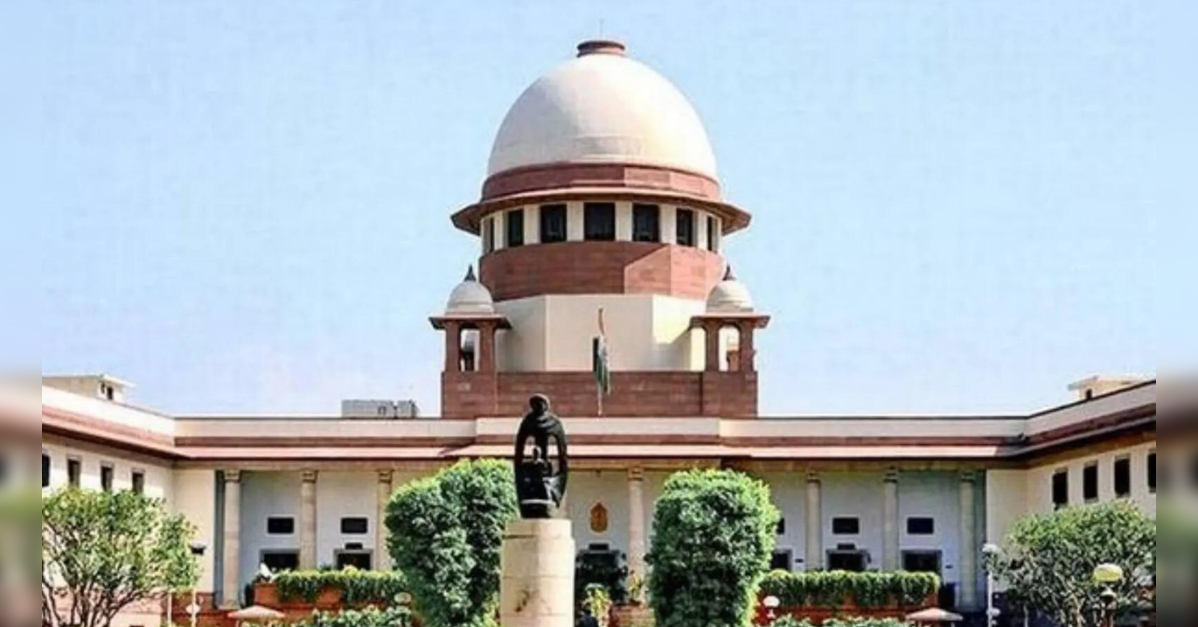
The Supreme Court has passed an interim order restraining the appointment or continuation of teachers in schools and colleges unless they possess the qualifications mandated under the applicable statutory framework.
The direction was issued by a Bench led by the Chief Justice of India while hearing a Public Interest Litigation challenging statutory schemes related to the provincialisation of teachers and employees working in educational institutions.
Qualifications cannot be bypassed, says Supreme Court
Issuing the interim direction, the Court made it clear that educational institutions cannot appoint or continue teachers who do not meet the qualifications prescribed under laws governing school and higher education.
“As an interim measure, no teacher shall be appointed/observed in schools/colleges unless possessing requisite prescribed qualification under the Right to Education Act/NCTE Act/UGC Act,” the Bench ordered.
Different laws govern school and college teachers
Teacher eligibility requirements vary according to the level of education and are governed by separate legal and regulatory frameworks.
The Right to Education Act lays down standards for elementary education, while the National Council for Teacher Education framework regulates teacher education and prescribes qualifications for school teachers. In colleges and other higher education institutions, eligibility norms are governed by the University Grants Commission framework.
The Supreme Court’s order, therefore, reinforces the requirement that institutions must follow the qualification standards applicable to their category of education.
Notice issued on PIL challenging provincialisation schemes
The interim order came after the Supreme Court issued notice on the PIL challenging statutory provisions and schemes concerning the provincialisation of teachers and other employees of educational institutions.
The Court’s direction is interim in nature and remains subject to its final decision in the case. The respondents will now have to place their responses before the Court on the issues raised in the petition.
Further hearings are expected to determine the wider scope of the order and its implications for teachers and educational institutions covered by the challenge.


