



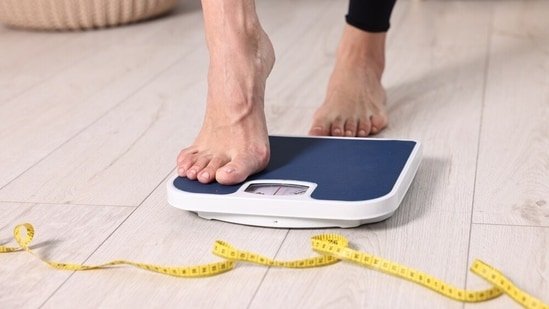
Weight gain is a precursor to several health challenges. Extending beyond the immediate impact of low energy and reduced mobility, it has stronger physiological effects, impacting the very core of how your body functions. This extends to your vital organs, and one of them is the liver. The chances of developing liver diseases, particularly fatty liver, increase significantly with excess weight, progressing silently without noticeable symptoms.
It is time to clutch in and push to shed the weight. Dr Sumeet Shah, chairman and head of department- general, minimal access, bariatric and robotic surgeon at Manipal Hospital in Gurugram, shared with us that fatty liver disease is growing silently in India and has become a very major health concern. It also suggests how widespread obesity has become. The bigger problem with fatty liver disease is that it often progresses without any obvious symptoms, and get detected late.
How does obesity increase the risk of fatty liver?
Let’s look at this association and why obesity may drive fatty liver risks. Among the different types of fatty liver disease, the surgeon explained that obesity primarily leads to non-alcoholic fatty liver disease (NAFLD.)
“Excess body fat accumulated around the abdomen increases insulin resistance and promotes fat deposition in the liver,” Dr Shah explained.
The biggest alarm is that the early stages may not cause noticeable symptoms. If left untreated, fatty liver can lead to serious complications, as the surgeon highlighted, including inflammation, scarring, cirrhosis, and even liver failure.
What are the factors linked to obesity’s association with fatty liver? Dr Shah shared that people with obesity may also have type 2 diabetes, high cholesterol, and metabolic syndrome, all of which further worsen liver health.
Tips to reduce fatty liver
The surgeon listed these tips to reduce fatty liver:
1. Weight loss
- Even a 7–10 per cent reduction in body weight can significantly reduce liver fat and inflammation.
2. Dietary modifications
- A balanced diet low in refined carbohydrates, sugars, and saturated fats helps reduce liver fat.
- High-fibre foods, lean proteins, and healthy fats are advised.
3. Regular physical activity
- Regular exercise and strength training improve insulin sensitivity and promote fat loss
4. Control metabolic conditions
- Managing diabetes, cholesterol, and blood pressure is crucial to preventing disease progression.
5. Avoid alcohol and unnecessary medications
- Alcohol consumption can increase the stress on the liver and can cause fatty liver disease.
In the end, the surgeon also suggested bariatric surgery when managing weight through diet and exercise is not enough. It helps reduce liver fat levels and improves inflammation, while early scarring of the liver also has the potential to reverse.
Note to readers: This article is for informational purposes only and not a substitute for professional medical advice. Always seek the advice of your doctor with any questions about a medical condition.


