



Hyderabad: Scientists have found that while different harmful bacteria dominate in different Indian cities, the genes that help them resist antibiotics remain largely similar, pointing to a shared antimicrobial resistance pattern across urban India.
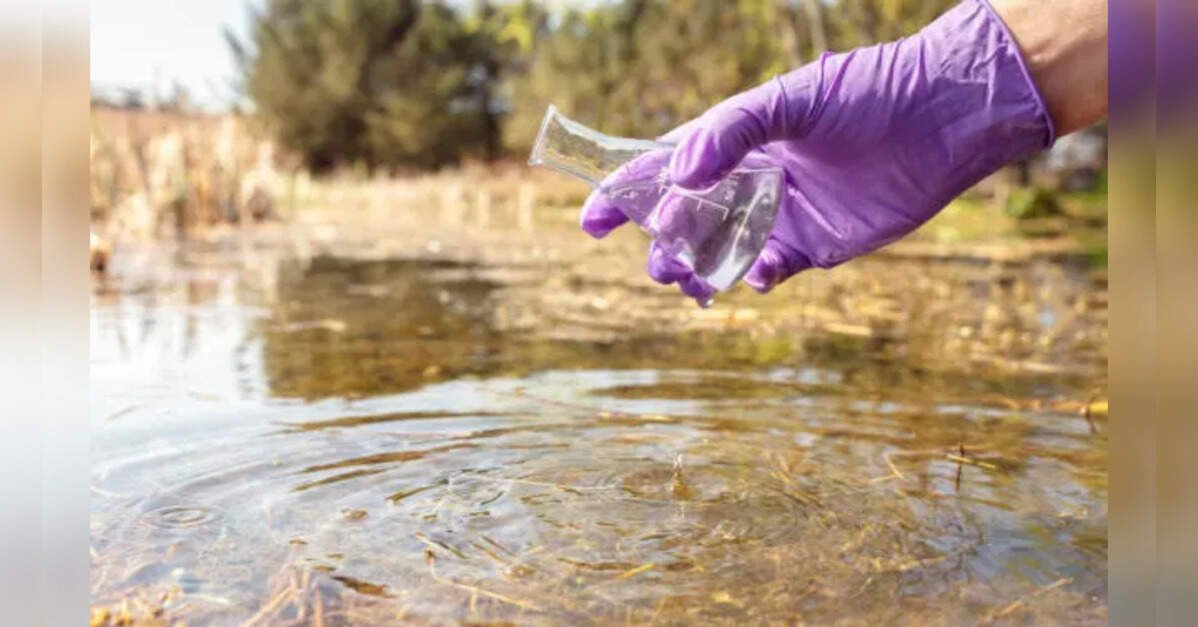
In a study published in Nature Communications, researchers from Hyderabad-based CSIR-Centre for Cellular and Molecular Biology (CCMB) and partner institutions analysed 447 wastewater samples collected from 19 sites in Delhi, Mumbai, Kolkata and Chennai between March 2022 and March 2024. The study reported that sewage-based surveillance could help detect outbreaks early and track the spread of drug-resistant pathogens in real time.
Different cities, similar resistance
Antimicrobial resistance, or AMR, arises when bacteria are no longer effectively killed by antibiotics. The study notes that although information on local AMR prevalence in India remains limited, wastewater can offer a broader picture of how resistance is developing in communities. Using shotgun metagenomics, the researchers examined bacterial genes in urban wastewater to understand the mechanisms through which bacteria become resistant.
The analysis showed that microbial communities varied across cities because of local environmental factors. Klebsiella pneumoniae was found to be more abundant in Chennai and Mumbai, while Pseudomonas aeruginosa was more abundant in Kolkata. Yet the genes conferring resistance to different antibiotics remained consistent across all four metro cities.
How bacteria share survival tools
The study explains that resistance genes help bacteria survive antibiotics in different ways. Some strengthen bacterial cell walls, preventing antibiotics from entering. Others help bacteria metabolise, expel or destroy antibiotic molecules. These genes can be passed not only to offspring but also to neighbouring bacteria, allowing resistance to spread across microbial communities.
Researchers also found differences in how easily bacteria share resistance genes across antibiotic classes. Genes that confer resistance to tetracyclines and beta-lactams were found to spread more easily than those linked to macrolides. This, the study suggests, is important for understanding how resistance travels across populations and environments.
Case for wider sewage surveillance
Beyond mapping the resistance landscape, the researchers have proposed wider use of wastewater-based pathogen surveillance in the country. They said the method can work even in resource-limited settings, with a standard operating procedure that allows samples to be stored at 4°C for up to seven days without compromising data quality, making it possible to send them to common testing hubs.
“A broader participation in wastewater-based surveillance will help to detect early outbreaks and track the spread of drug-resistant pathogens in real time,” said Dr Vinay K Nandicoori, Director, CSIR-CCMB.


