



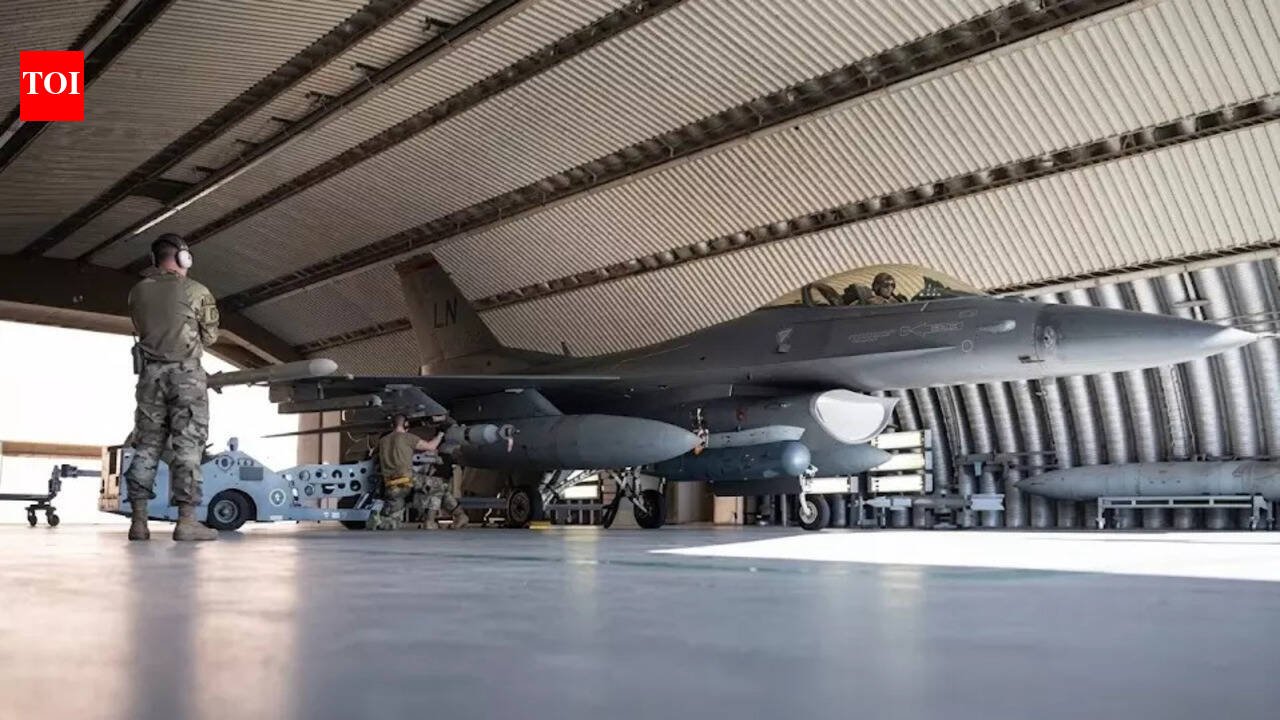
Saudi Arabia has granted the United States access to its King Fahd Air Base as tensions with Iran intensify, signaling a new phase of military alignment in the Gulf. The development follows warnings from maritime authorities that the Strait of Hormuz faces “critical” security risks. The narrow passage handles a significant share of the world’s oil supply, raising fears of global impact. Western officials say the move aims to deter threats and secure vital shipping routes.
Saudi Arabia allows King Fahd base for US
Saudi Arabia has agreed to allow the United States to use the King Fahd Air Base in Taif, marking a significant step in military coordination between the two allies. The agreement comes at a time of rising tensions with Iran, with US officials confirming that the base will support regional security operations if needed.The move is seen as part of a broader understanding between Riyadh and Washington to strengthen defense readiness in the Gulf, particularly as threats to shipping routes and infrastructure increase. While Saudi authorities have not publicly detailed the agreement, US officials describe it as a precautionary and defensive measure rather than an escalation toward conflict.The decision comes as maritime agencies warn that the Strait of Hormuz, a route carrying nearly 20% of the world’s oil, now faces a “critical” threat level.US defense officials say the choice of King Fahd Air Base is strategic. Located in western Saudi Arabia, it offers a safer operational distance from Iranian missile and drone ranges, while still allowing rapid deployment if required.This marks a notable shift, as regional powers move to strengthen military coordination amid growing uncertainty.
What is King Fahd Air Base?
The King Fahd Air Base is located near Taif in western Saudi Arabia, far from the Gulf coastline. This inland positioning makes it less exposed to direct missile or drone threats, especially compared to bases closer to Iran-facing waters.Geographically, the base offers a strong strategic advantage. It allows the United States to operate from a safer distance while still maintaining quick access to key regions, including the Red Sea and central Saudi air corridors. This makes it an ideal staging and support hub during periods of heightened tension.The timing of this move is significant because of rising risks around the Strait of Hormuz, a narrow but vital waterway handles nearly 20% of the world’s oil supply passes daily, valued at well over $1 billion in trade every day.By gaining access to King Fahd Air Base, the US can monitor, respond, and support operations linked to this critical route, without placing assets directly in high-risk zones. Officials have described the arrangement as a defensive and precautionary step, aimed at ensuring the security of global shipping lanes rather than escalating conflict.
US and UK stress ‘collective defense’
Western leaders have framed the development as part of a defensive strategy. US officials have emphasized the need to protect global shipping lanes and maintain stability, particularly in sensitive areas like the Gulf.The United Kingdom has also aligned with this approach, allowing access to key facilities such as RAF Fairford and Diego Garcia. British authorities described the cooperation as part of a “collective self-defense” framework, highlighting shared concerns over the risk of escalation.Though direct public statements remain limited, the coordinated messaging from both governments reflects a clear focus on deterrence and preparedness.
Strait of Hormuz tension rises
Tensions around the Strait of Hormuz have intensified in recent weeks, with multiple reports of incidents involving vessels and offshore infrastructure. Maritime authorities have warned of navigation interference and potential attacks, raising alarms across the global shipping industry.Officials from Gulf countries and European agencies have urged restraint, stressing that the waterway must remain open. Given the Strait’s critical role in international trade, any disruption could quickly impact oil supply chains, shipping routes, and global energy prices.
Broader context
The decision to open the base reflects a wider trend of deepening military coordination between Gulf countries and Western allies. With tensions involving Iran showing no immediate signs of easing, the region is entering a phase of heightened alert.Security experts warn that even without direct confrontation, the combination of military buildup, maritime risks, and political tensions could keep the Gulf in a state of prolonged instability.For now, officials continue to emphasize deterrence and defense. But the scale and speed of recent developments suggest that the situation is becoming increasingly complex, with implications far beyond the region.


