



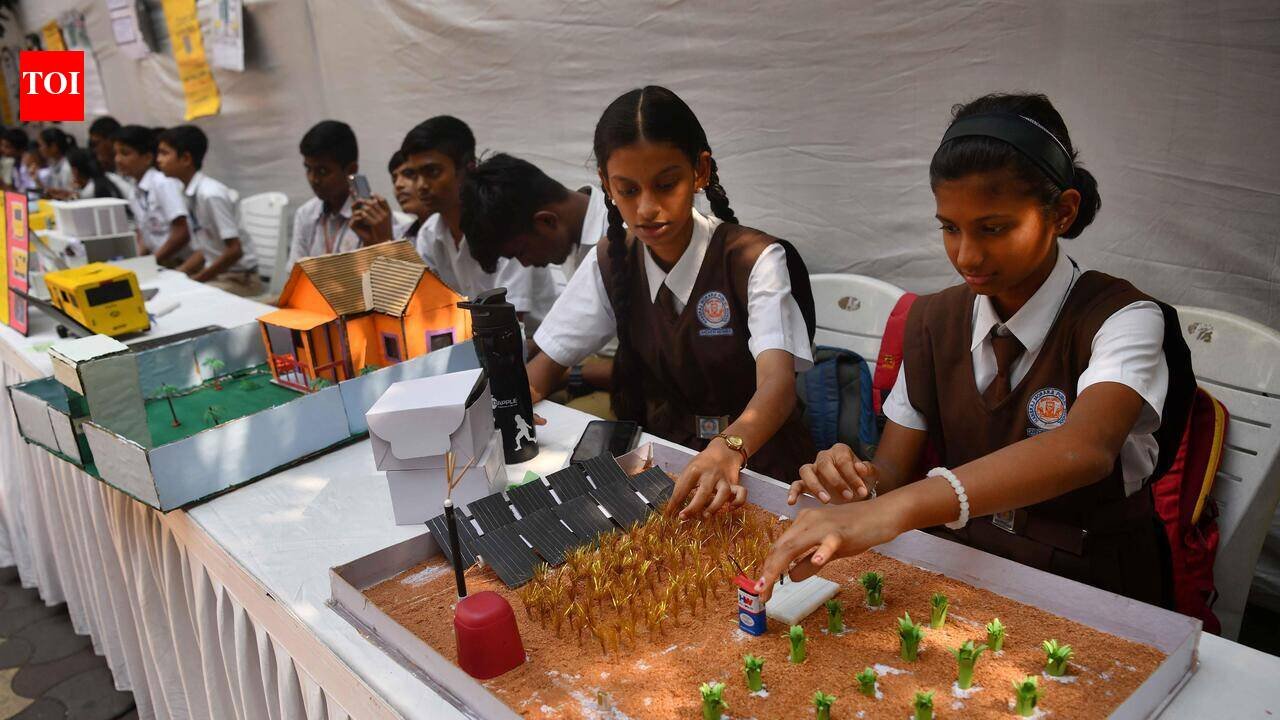
Pune: Schools across the state have been directed to reconstitute their student clubs for the 2026-27 academic year, barely a year after 34 such district-level clubs were formed at schools and junior colleges across the state.As per a circular to primary, secondary and higher secondary schools, the State Council of Educational Research and Training (SCERT) has mandated that institutes review and reorganise student groups already formed, rather than set up clubs anew, by Sept 20. These clubs cover activities ranging from academics to technology, and from hobbies to environment, vocational learning and reading.SCERT’s circular makes it clear that no additional clubs are to be formed and only existing clubs will be restructured to ensure a holistic focus, rather than learning by rote.“The broader objective is to ensure that education supports students’ intellectual, social, emotional, ethical, creative, physical and vocational development, rather than being limited to memorisation,” SCERT director Hemant Vasekar said.The earlier initiative, reported by TOI in Sept 2025, introduced the 34 clubs and made it mandatory for every student to join at least one group based on their interests and aptitude. Schools could also propose additional clubs, subject to approval.The latest directive has sought detailed data — at school, cluster, taluka and district levels — on the number of schools running clubs, the number of clubs formed and the number of participating students. Cluster-level data must be compiled by Aug 25, taluka-level numbers by Aug 28 and district-level numbers by Aug 31, with SCERT expecting a consolidated state-level report by Sept 7.Each district will also have a nodal officer monitor implementation, while block education officers, education extension officers and cluster heads will supervise the functioning of the clubs.SCERT said the restructuring was necessary to make the clubs more effective and to provide students with better opportunities to develop their abilities, interests and skills. It has linked the exercise to the National Education Policy 2020 and State Curriculum Framework 2024, which were designed with a focus on holistic development rather than textbook knowledge.“When students collaborate in interest-based groups, they learn from each other while gaining confidence and leadership skills,” district education official Rajesh Patil earlier said in response to the 2025 directive.Educators in the city had also welcomed the initiative. “It is a crucial decision to move beyond rote learning. These clubs will help students explore creativity and build problem-solving skills in a structured environment,” said Sunita Joshi, principal of a Pune school.


