



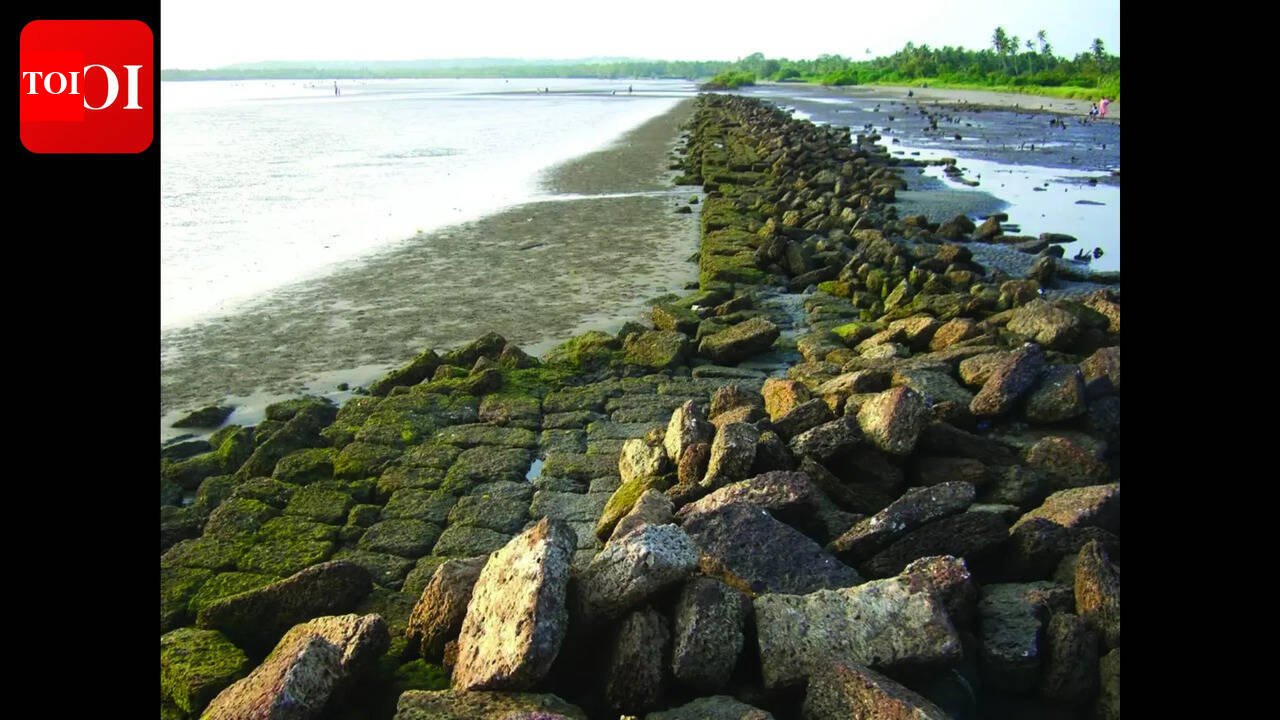
Porvorim: Goa govt expressed its intention to declare the remains of the historic Gopakapattana port as protected monuments or sites under the Goa Ancient Monuments and Archaeological Sites and Remains Act, 1978, and the Goa Ancient Monuments and Archaeological Sites and Remains Rules, 1980. The proposal was part of the response to a question tabled by MLA Viresh Borkar in the state assembly on Monday.“The notification regarding intention of Goa govt to declare the remains of Gopakapattana port and cave at Siridao as protected monument or site… has been published in the official gazette,” the reply by chief minister Pramod Sawant said.On March 5, state govt issued a notification expressing its intention to declare 15 monuments and archaeological sites across the state as protected monuments or protected areas under the Goa Ancient Monuments and Archaeological Sites and Remains Act, 1978. Govt invited objections and suggestions from the public within two months from the date of publication in the official gazette.The list of proposed protected monuments includes several historically significant locations spread across different talukas. Among the sites are Malar cave at Malar in Tiswadi, a cave at Siridao, and Hath Katro Khambo in Old Goa.Other sites proposed for protection include the ruins of Convent of Our Lady of Mount Carmel at Chimbel, Jacquem cave at Neturlim in Sanguem, Bawlyache Mol at Pirla in Quepem, and Pandurang Mutt and Mukhyapran, Maruti Mutt at Balli.Govt also listed remains of Temple Sasore Khaddem at Cordem, Tamsuli Cave in Khandola, and the historic Mardangad Fort at Queula in Ponda taluka.Additional sites include the ruins of Surya temple and Thadgi memorials at Kudnem in Bicholim, the rock cut tank at Dabolim in Mormugao, and the Damodar Temple tank, Fatorda.Once notified as protected monuments or areas, the sites will come under the regulatory framework of the state archaeology department, which can undertake conservation, restrict unauthorised construction, and regulate activities around the monuments.The Gopakkapattna port at Goa Velha extends over a stretch of 5km from Goa Velha to Agasaim and was built with huge laterite buttresses, which are visible even today at low tide from Kharossai in Goa Velha through Mascarenhas vaddo to Dandim in Agasaim along the banks of the Zuari.It was frequented by foreign ships and traders from different parts of the world, including Romans, Persians, and Arabs, as well as those from Ceylon and China. Traders from parts of the Indian subcontinent, such as Gujarat and Bengal, also visited the port.


