



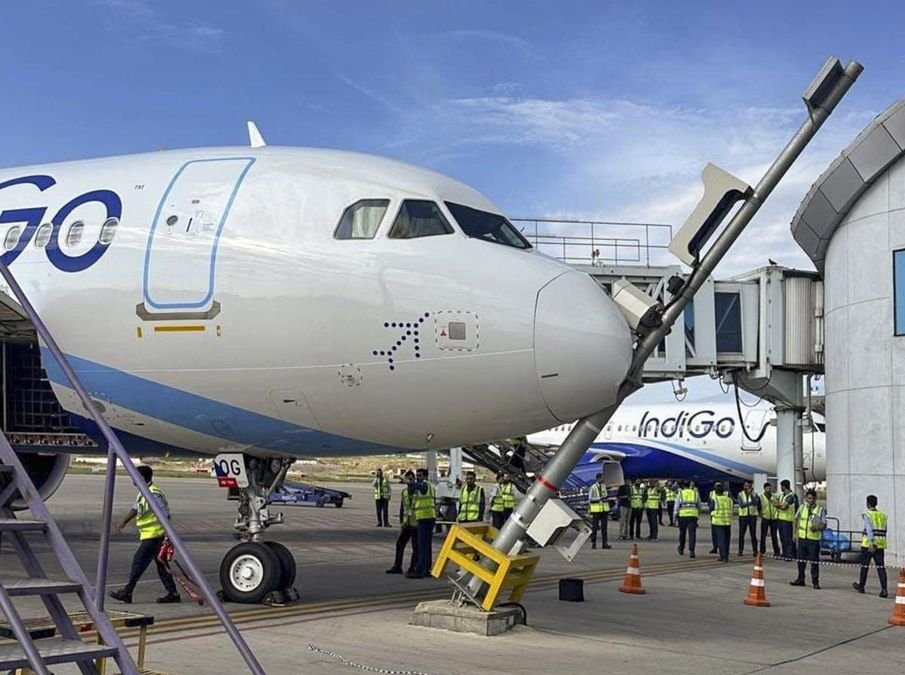
The incident involving IndiGo flight 6E 225 at Srinagar Airport on Friday morning, though thankfully not resulting in any injuries, is a reminder that aviation safety cannot be taken for granted. The aircraft reportedly came into contact with a VDGS pole while being positioned at Bay No. 06, a momentary lapse that, in another context, could have turned into a far more serious situation. The fact that all passengers and crew remained safe is reassuring, but reassurance alone is not enough. What matters now is a thorough, transparent inquiry and a serious reassessment of ground handling protocols. Modern airports are expected to operate with precision, discipline and the highest standards of coordination. Even a minor incident on the tarmac raises important questions about operational safeguards, situational awareness and the readiness of those entrusted with ensuring safe movement of aircraft. While the airport authorities have stated that normal operations continued and that the matter will be examined as per prescribed procedure, the public would expect nothing less than a clear accounting of what went wrong and how such a lapse can be prevented in future. It would be premature to jump to conclusions or assign blame before the inquiry is complete. Aviation incidents must be assessed on facts, technical evidence and established procedure, not speculation. Yet, prudence demands that every such event be treated seriously, however minor it may appear. In air travel, the margin for error is too small to allow for casual explanations. A contact with a stationary airport structure during parking may not have caused harm this time, but it indicates a need to revisit training, supervision and compliance at the ground level. Srinagar Airport has become an increasingly important gateway for the region, and with rising flight operations comes greater responsibility. The airport must ensure that infrastructure, equipment and human oversight all work in tandem. Any weakness in that chain can undermine confidence among passengers and expose the system to avoidable risk. The prompt deboarding of passengers and the continuation of normal operations were appropriate immediate responses, but the larger lesson lies in prevention rather than response. This incident should therefore serve as a wake-up call. The authorities concerned must not stop at noting that everyone is safe. They must identify the cause, fix the fault and restore confidence through visible corrective action. In aviation, safety is not measured by the absence of disaster alone; it is measured by the consistency of vigilance that prevents disaster from occurring in the first place.


