



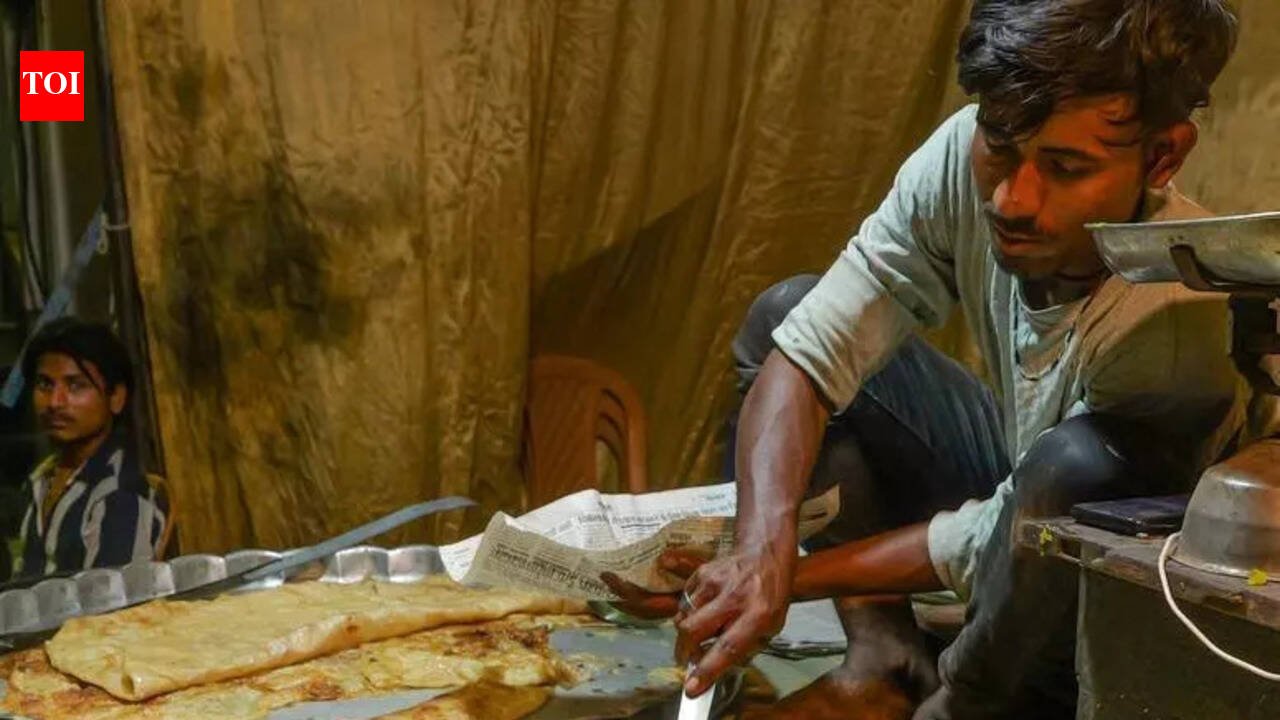
This Ramzan, the old city of Lucknow is alive with flavours drawn from the kitchens of the nawabs and Mughals, alongside a growing range of west Asian dishes. From dusk to dawn, the narrow lanes remain crowded as people move from one food stall to another after ‘iftar’, turning the area into a vibrant night-time food hub during the holy month.The aroma of ‘kebabs’, ‘biryani’ and freshly baked breads fills the air, while sweet shops and roadside vendors continue serving customers late in the night. Families, students and visitors from nearby cities and districts arrive in large numbers, filling the streets as they taste traditional dishes and popular items. Many people begin arriving soon after evening prayers and the crowds continue until ‘sehri’.FAVOURITES OF THE SEASONThis year, dishes from West Asia have emerged as a major attraction. Stalls selling ‘shawarma’, ‘mandi’, grilled meats and Arabic breads have seen steady crowds, with young visitors especially drawn to new flavours.Vendors said that demand for these dishes has increased compared to previous years, with many trying them alongside traditional Awadhi food.Arabian dishes like ‘Mutabbak’, ‘Al-Faham’, and ‘Al- Laham’ are the favourite among visitors. The famous dish of Palestine ‘Chicken Musa Khan’ is also a hit this year.FOOD TRAILDuring Ramzan, Lucknow’s food streets draw large crowds not only from within the city but also from nearby districts who come to experience its late-night food culture.After ‘iftar’, families and groups of friends arrive from places such as Barabanki, Sitapur and Unnao, moving through busy lanes and sampling dishes until late in the night.“We drove from Barabanki after ‘iftar’ just to enjoy the food and shopping. The atmosphere and variety you get in Lucknow during Ramzan is unmatched,” says Mohammad Danish, a visitor.Another visitor, Parveen Khan from Sitapur, says, “It feels like a festival every night. We come mainly for ‘kebabs’ and desserts, but the lively streets are just as enjoyable.”AROMA MOVES BEYOND OLD CITY Alongside the Old city, several new areas like Khurram Nagar, Balaganj, Hussainganj, and Tedhi Puliya are also gaining popularity among food lovers this Ramzan. Temporary food stalls and late-night eateries in these neighbourhoods are attracting residents who prefer to stay closer to home while still enjoying the festive food culture of the season.“I usually go to the Old city during Ramzan, but this year we found many good stalls near Khurram Nagar. It is less crowded and the food is excellent,” says Aamir Hussain, a local resident.For many, these nights are about more than food, as people step out after prayers to meet friends and relatives, keeping the streets lively well past midnight.REGIONAL FLAVOURS RULERegional flavours are also a huge draw this Ramzan, alongside the city’s traditional Awadhi fare. Stalls serving Hyderabadi and Karachi-style ‘haleem’, Purvanchal mutton, Bihari ‘kebabs’ and Rajasthani Junglee mutton have become popular among visitors and residents.“I come here every year for the Awadhi food, but this time I tried Hyderabadi ‘haleem’ and it was excellent,” says Arif Khan, a visitor from Kanpur.Another food lover, Zama Khan, adds: “The variety is amazing. You can taste dishes from different regions in one evening.”VEG DELIGHTS & DESSERTSVegetarian dishes and sweets are pulling crowds during Ramzan evenings across the city’s food streets. Stalls serving ‘poori sabzi’, ‘besan ki roti’ and a variety of stuffed ‘parathas’ remain busy as many visitors look for filling non-meat options after ‘iftar’. ‘Dahi jalebi’, ‘daliya’ and freshly made ‘imarti’ are also popular among those stopping for a quick bite while moving through the bustling lanes.Dessert counters offering ‘shahi tukda’ and the Turkish sweet ‘kunafa’ have also become major attractions this year.“We tried ‘besan ki roti’ with different types of chutneys and then finished with ‘kunafa’. The taste is amazing,” says Ashish Jaiswal, who visited the Old city with his family.“Dahi-jalebi and ‘shahi tukda’ are a must every Ramzan visit,” says Sana Fatima.


