



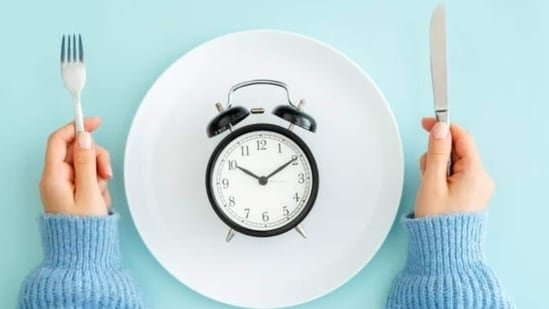
When one is trying to lose weight, the most obvious thing that comes to mind is eating less. However, a flawed approach many people take is skipping breakfast, lunch or dinner in the hope that the body will burn fat faster.
But weight loss is not always that straightforward. Skipping meals comes with several downsides as well. To understand the repercussions of skipping meals and what actually helps in losing weight, HT Lifestyle spoke to Dr Anju Ghei, vice president and head of Preventive Health with VLCC Healthcare.
She explained that skipping meals may backfire and slow down your weight loss journey instead. Controlling your eating habits does not mean skipping meals.
The reason people believe this misconception is primarily because eating less frequently seems like it should reduce calories and, therefore, reduce weight. However, the human body regulates energy in a far more complex way. This is why the doctor urged people to understand the difference between random meal skipping and structured fasting.
What happens to your body when you skip meals?
You may think that your body will shift into the ‘less food, more fat loss’ mode whenever you skip a meal. But the body does not work like a calorie calculator the moment you start eating less. Instead, it may interpret irregular food availability differently and begin conserving energy.
What does your body do? The doctor shared, “In response, body activates protective mechanisms designed to conserve energy. One of these responses is a reduction in metabolic rate, meaning the body burns fewer calories during the day. At the same time, stress hormones such as cortisol may increase, which can promote fat storage, particularly around the abdomen.”
Other than this, another obvious response is that you feel hungrier than usual. The doctor observed that hunger hormones also get impacted when meals are skipped irregularly. “Levels of ghrelin, the hormone that stimulates appetite, rise when food intake becomes irregular. As a result, when people fast earlier in the day, they often become excessively hungry later in the day and may overeat or crave high carbohydrate ‘quick energy’ foods,” Dr Ghei added.
Moreover, irregular meal skipping may also disturb blood sugar balance. The doctor suggested that it can cause blood sugar spikes, and worsen insulin resistance, especially in those with prediabetes or metabolic risk. She also pointed out that long gaps without food can affect muscle preservation, particularly when protein intake becomes inconsistent. In such cases, the body may start breaking down muscle protein for energy. This slows weight loss journey, especially for adults over 40.
How should you fast?
Instead of randomly skipping meals, approach fasting with structure. Dr Ghei revealed that, “approaches such as 12–14 hours of overnight fasting or time-restricted eating within an 8–10-hour window allow insulin levels to fall and give the body time to use stored fat for energy.” So controlled fasting periods may be more effective and sustainable than irregular meal skipping.
So, if you are considering fasting, how should you approach it? The doctor advised keeping it practical and sustainable by eating balanced meals within a consistent eating window. In other words, it should be realistic enough to support weight loss without leaving the body deprived.
“Many people benefit from two or three meals spaced about 4–5 hours apart, but without constant snacking. Each meal should ideally include adequate protein (such as eggs, lentils, or paneer), fibre-rich vegetables, whole grains like millets, and healthy fats from foods such as nuts or avocados.”
When you follow this combination, you control your hunger as you stay fuller for longer time, stabilise blood sugar, and preserve muscle mass.
The problem with prolonged fasting, without supervision is that it depletes glycogen stores, leading to fatigue, dizziness, nutrient deficiencies, and a slower metabolism. The doctor warned that such extreme approaches result in rapid rebound weight gain once normal eating resumes.
Note to readers: This article is for informational purposes only and not a substitute for professional medical advice. Always seek the advice of your doctor with any questions about a medical condition.


