



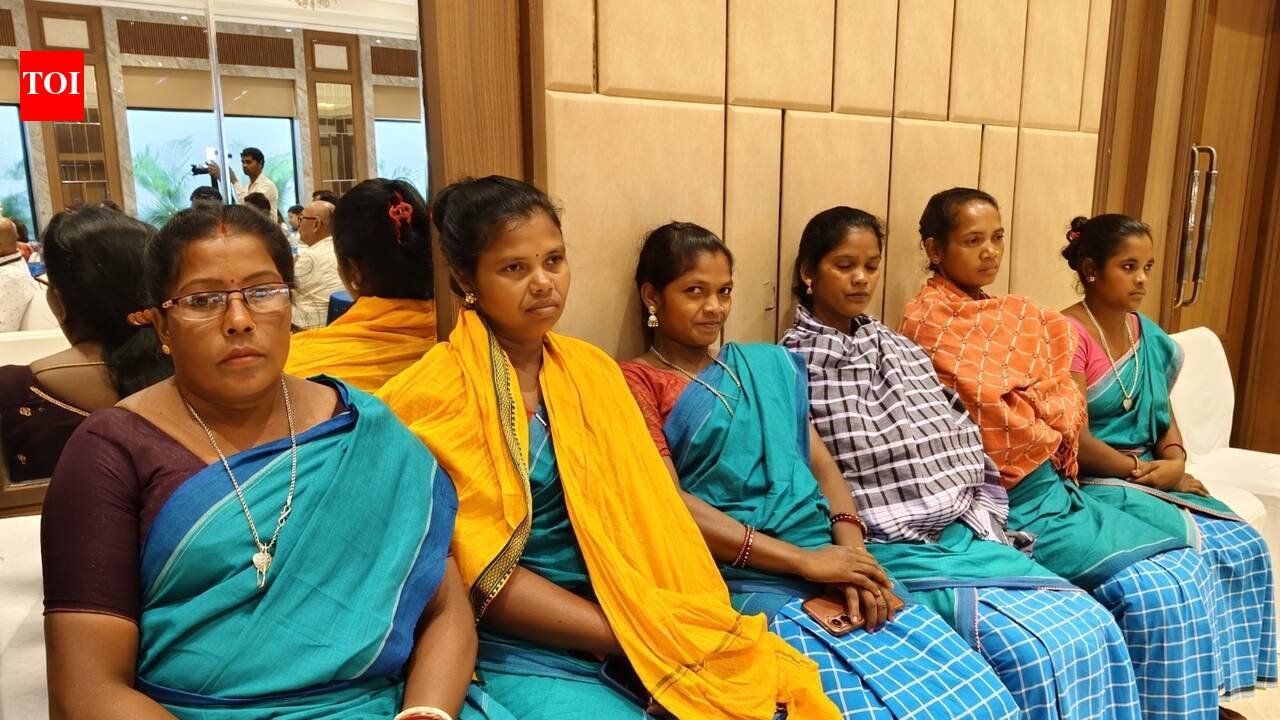
Ranchi: Women-led self-help groups (SHGs) have helped Particularly Vulnerable Tribal Group (PVTG) families in the state develop regular savings habits and access formal credit, experts said at a national conclave here on Monday.The conclave was organised by Sarva Seva Samity Sanstha (4S-India) in collaboration with Tata Trusts, Common Ground and Foundation for Ecological Security.Presenting findings from studies among Mal Paharia and Sauria Paharia communities in Santhal Pargana, speakers said SHGs had emerged as a key driver of financial inclusion.“Earlier, we hardly saved because our income was uncertain. After joining the SHG, we began saving regularly and could access loans during emergencies or for small livelihood activities,” said Simanto, a Paharia woman from Pakur.The study, however, flagged poor irrigation, inadequate access to quality seeds and veterinary services, weak extension support and dependence on middlemen as major barriers to higher incomes.Agriculture remains seasonal for 89.3% of households and farm labour for 92.6%. Livestock provides year-round income to 76.9% of families. Migration remains a key coping mechanism, with 84.6% of migration being seasonal and men constituting 87% of migrants.Around 35.7% of surveyed villages reported households trapped in debt cycles or dependent on high-interest informal loans. An equal proportion faced seasonal hunger due to rain-dependent livelihoods.The surveyed villages had 58 farm ponds, 65 wells and 44 minor water sources, but only 13 check dams, 11 percolation tanks, one lift-irrigation system and 12 solar pumps.Manoj Sinha of Jharkhand Tribal Development Society said govt schemes could deliver better results through empowered gram sabhas and community institutions.Experts called for sustained govt support, improved irrigation, stronger market linkages and year-round livelihoods for Jharkhand’s nine PVTGs.


